
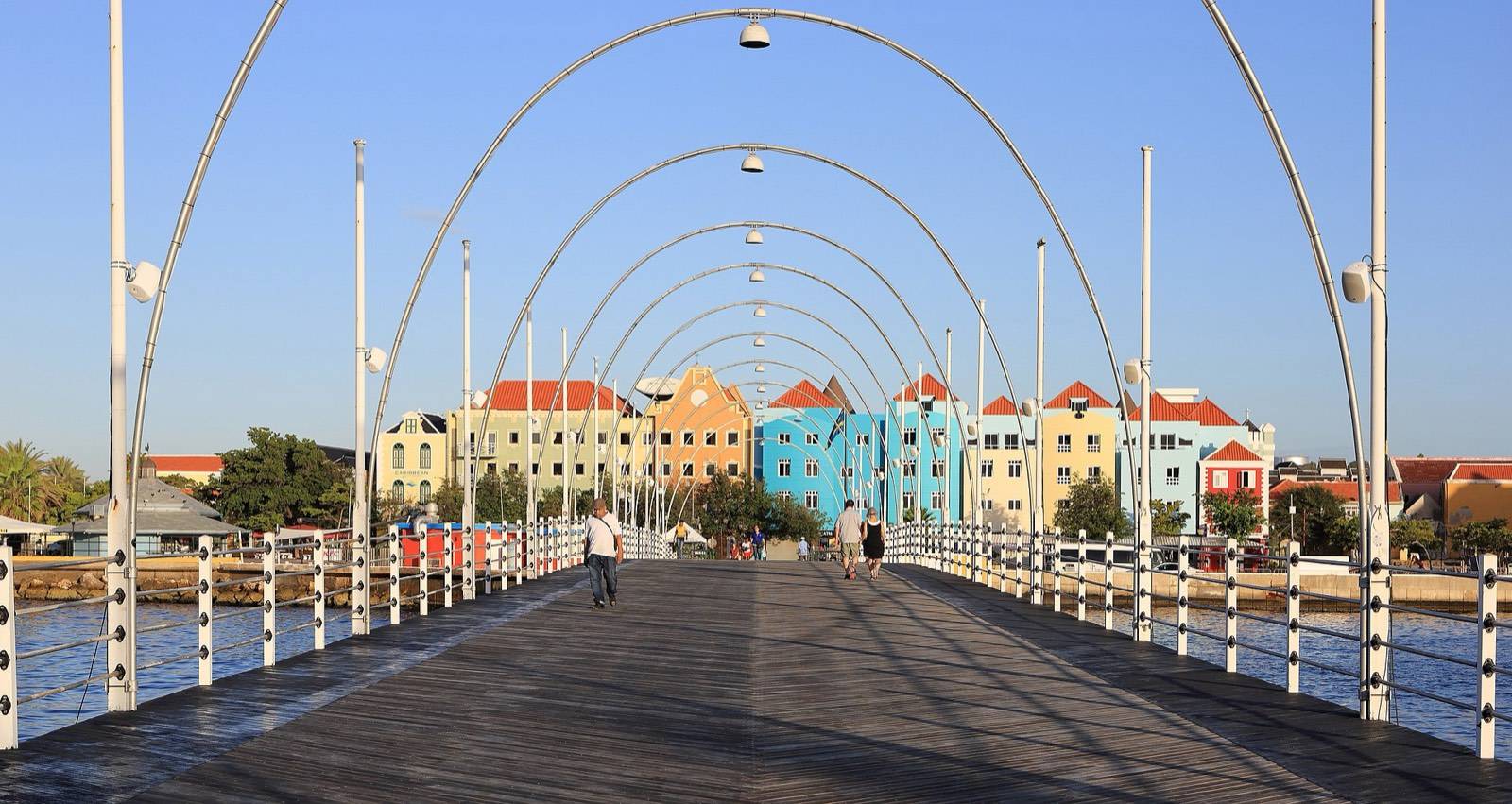
Sooner or later, most guests on the west bank say a version of the same sentence: I expected to spend all my time in Punda, and I keep coming back here instead. Otrobanda means the other side in Papiamentu, a name given by people who considered the east bank the center of the world. The joke has aged well. The other side is now the side with the view, the quiet, and the most interesting streets in the city.
This is the case for sleeping in Otrobanda, made by people who do it every night. The cons are here too, because a neighborhood guide that hides them is an advertisement.
I.The other side, by name and by nature
Punda was built first, in 1634, by merchants facing their ships. Otrobanda grew up across the water as the city's workshop: craftsmen, seafarers, musicians, and big families building courtyard houses, called werfs, off crooked alleys. The result is a quarter that was never designed to impress anyone, which is exactly why it does. Where Punda runs on a tidy grid, Otrobanda rewards wandering; the murals threading its side streets, mapped in our guide to the street art of Otrobanda and Scharloo, are only the most photographed of its surprises.
UNESCO inscribed both banks together in 1997, and locals will tell you the committee got it right: the city is a sentence you can only read whole.
II.The view runs in Otrobanda's favor
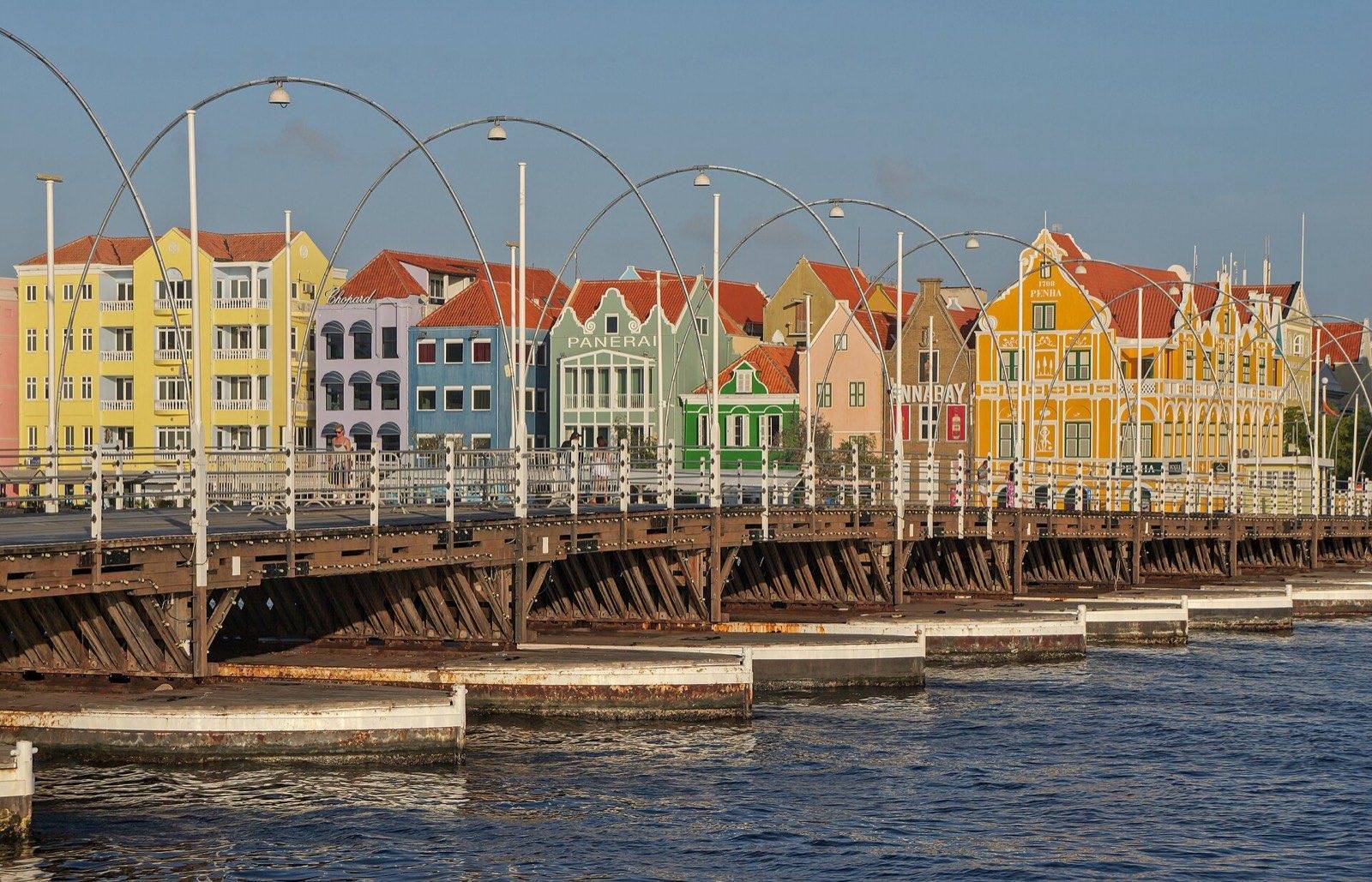
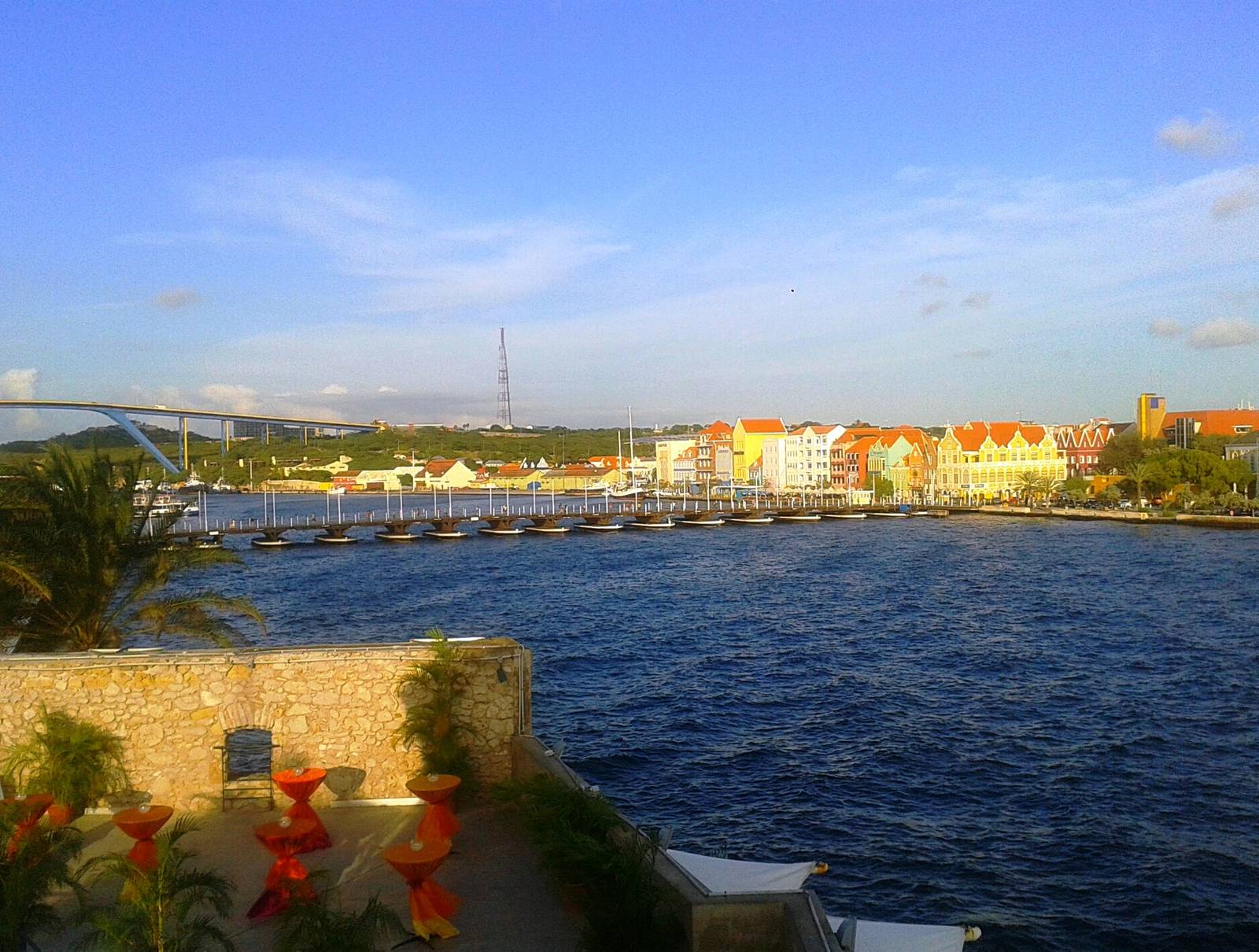
Geography did the west bank a permanent favor. From Otrobanda you face east across Santa Anna Bay, which means dawn comes up behind Punda's skyline and the day's first light lands on the water between the two of you. In the evening, the famous Handelskade facades light up across the bay like a stage set, and you have the seats.
Stay in Punda and you look at Otrobanda. Stay in Otrobanda and you spend the whole trip looking at the postcard.
It also means quieter nights. The bars and late kitchens concentrate across the water in Punda and Pietermaai, so the west bank gets the evening glow without the evening volume. Light sleepers notice the difference by the second night.
III.Mornings here belong to the locals
Otrobanda wakes before its visitors do. The bakeries open ahead of the shops, the first pastechi come out warm while the streets are still in shade, and the conversation on the sidewalks is Papiamentu, not tour-group English. This is the hour the quarter is most itself, and guests who set an alarm for it tend to set it again. Our own mornings start across the bridge in Punda, downstairs at Van Gogh Café, where the espresso machine and the street arrive at work around the same time.
By nine, cross the bridge if you like; the whole dawn-to-dark version of that day is drawn out in our guide to one day in Willemstad.
IV.Rif Fort and the terminal at your door
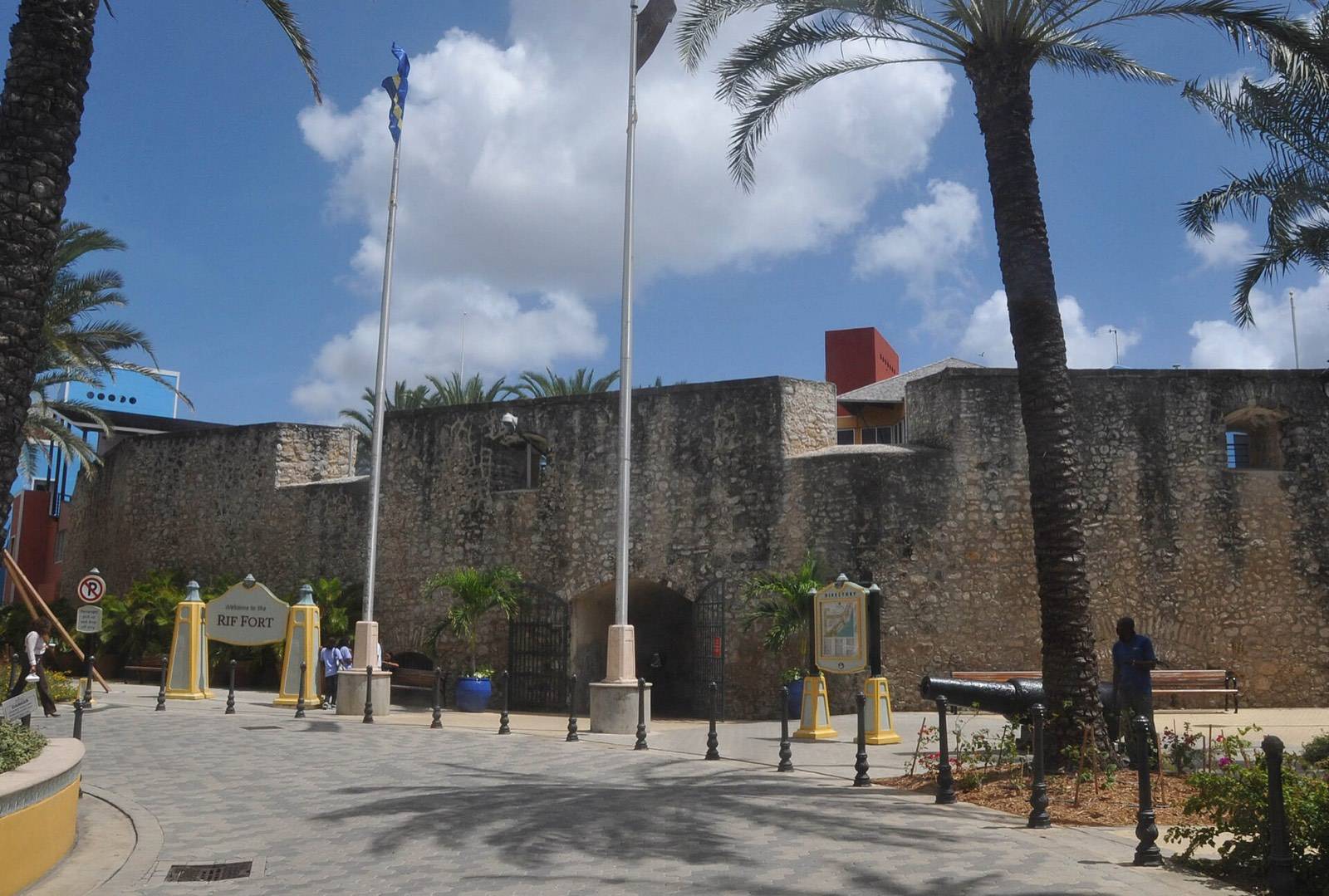
At the seaward end of the quarter, the ramparts of Rif Fort guard the harbor mouth, their vaults now holding shops, restaurants, and terraces that catch the sunset over the water. The mega-pier beside it is where the big cruise ships tie up, which makes Otrobanda the rare neighborhood where the walk from gangway to monument quarter takes minutes; the classic ship-day route through both banks is in our cruise day itinerary.
For overnight guests, the fort is less about arrival than ritual: a cold drink on the walls while the sun drops behind the sea is the west bank's standing appointment.
V.The bridge is your commute
The Queen Emma Bridge has floated on pontoons since 1888, swinging open to let ships into the bay and earning the nickname locals give a grand old dancer. Crossing it takes about two minutes, costs nothing, and somehow never becomes routine: the boards move underfoot, the harbor traffic slides past, and the facades grow on approach. When the bridge swings open, a free ferry carries you over instead, and regulars privately hope for the ferry.
This is the entire commute from an Otrobanda hotel to Punda's lanes, the Floating Market, and the dinner row beyond. On Thursday evenings it carries you to Punda Vibes and home again under the bridge lights.
VI.The honest cons
Three of them, stated plainly.
First, the quarter's revival is block by block, not wall to wall. A hundred meters can separate a polished monument street from a residential block that is dark and empty after hours. This is a real city, not a resort campus, so pick a stay on a well-trafficked street, near Breedestraat, the waterfront, or the fort, and keep to the lit corridors when walking late. Use the same judgment you would in any city; our safety guide covers the details without drama.
Second, ship mornings are loud ones. When the mega-pier is full, Breedestraat and the bridge crowd from mid-morning to mid-afternoon. The fix is rhythm, not avoidance: take the icons early or late and give the middle of the day to a beach or a museum.
Third, there is no sand in the quarter. The harbor is for ships; the beaches are day trips. If barefoot-to-beach mornings are the point of your trip, the southeast coast will fit you better, and we say so without flinching.
VII.Picking your street, and who this bank suits
The practical rule for booking Otrobanda is simple: sleep on or beside the main corridors. The blocks around Breedestraat, the bridge approach, and the Rif Fort end of the quarter put cafes below you, light around you, and the whole center within a five-minute walk. Our own 1892 monument, across the bridge on Breedestraat in Punda, keeps its Signature Balcony rooms over the main street for exactly this reason: the corridor is the show, morning and evening, and the balcony is the box seat.
Who belongs here? Travelers who came for the city: the walkers, the photographers, the history-minded, the light sleepers, the couples who measure a trip in golden hours rather than pool hours. Who does not? Anyone whose perfect day starts on sand and means to stay there. For everyone in the first group, the west bank is not the compromise choice near the sights. It is the sight, with rooms in it.
Bon biní to the other side.
Questions travelers ask
Straight answers from the front desk.
Is Otrobanda a good place to stay in Curaçao?
Is Otrobanda safe to walk at night?
How do I get from Otrobanda to Punda?
How close is Otrobanda to the cruise terminal?
Are there beaches near Otrobanda?
Keep exploring
Things to do in Otrobanda: across the floating bridge
Things to do in Otrobanda, Willemstad: Rif Fort ramparts, hidden alleys and werfs, world-class street art and…
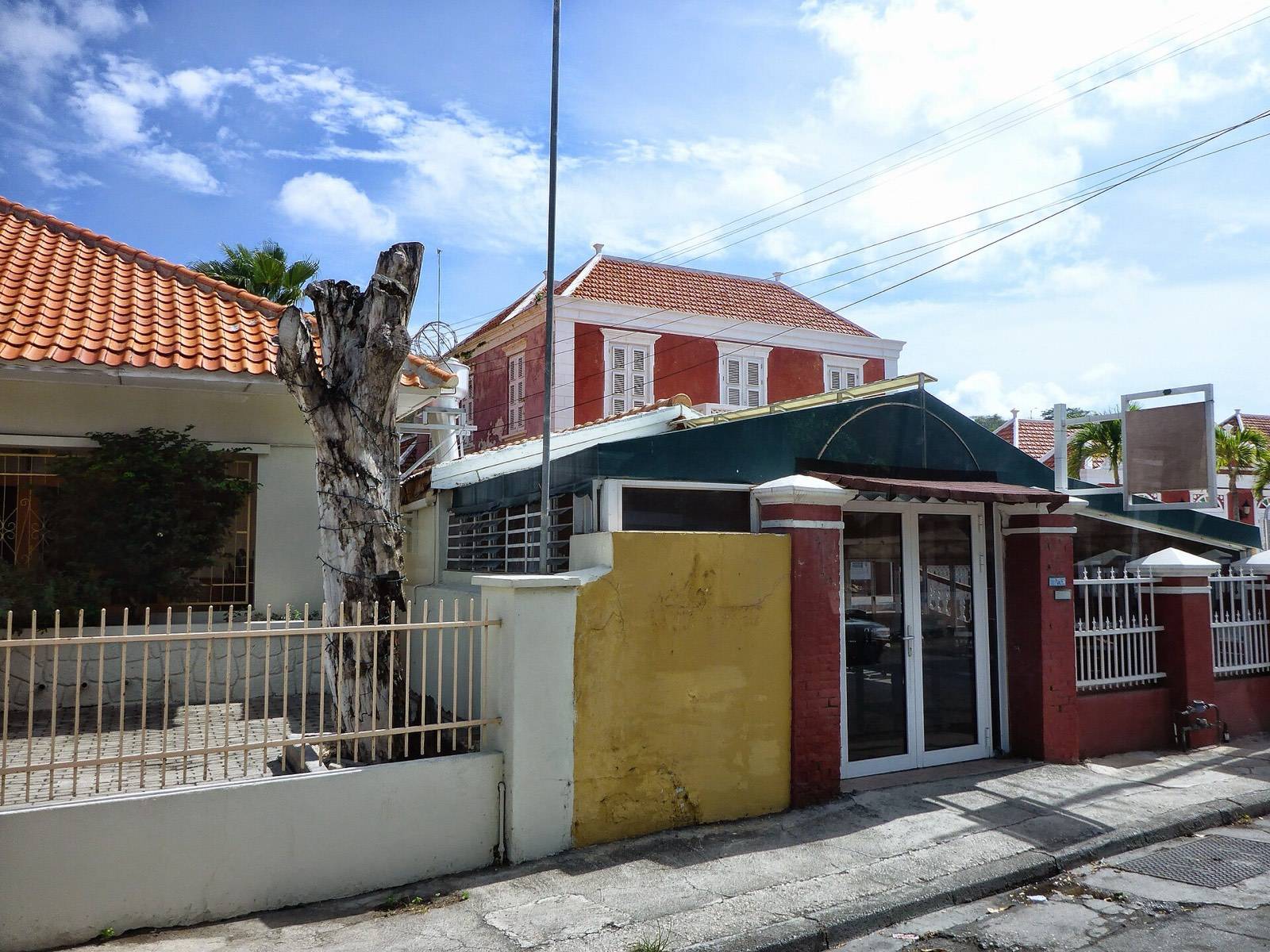
Boutique hotels in Curaçao: why small is the native form here
Boutique hotels in Curaçao: why small monument stays beat big resorts here, what to look for when booking…
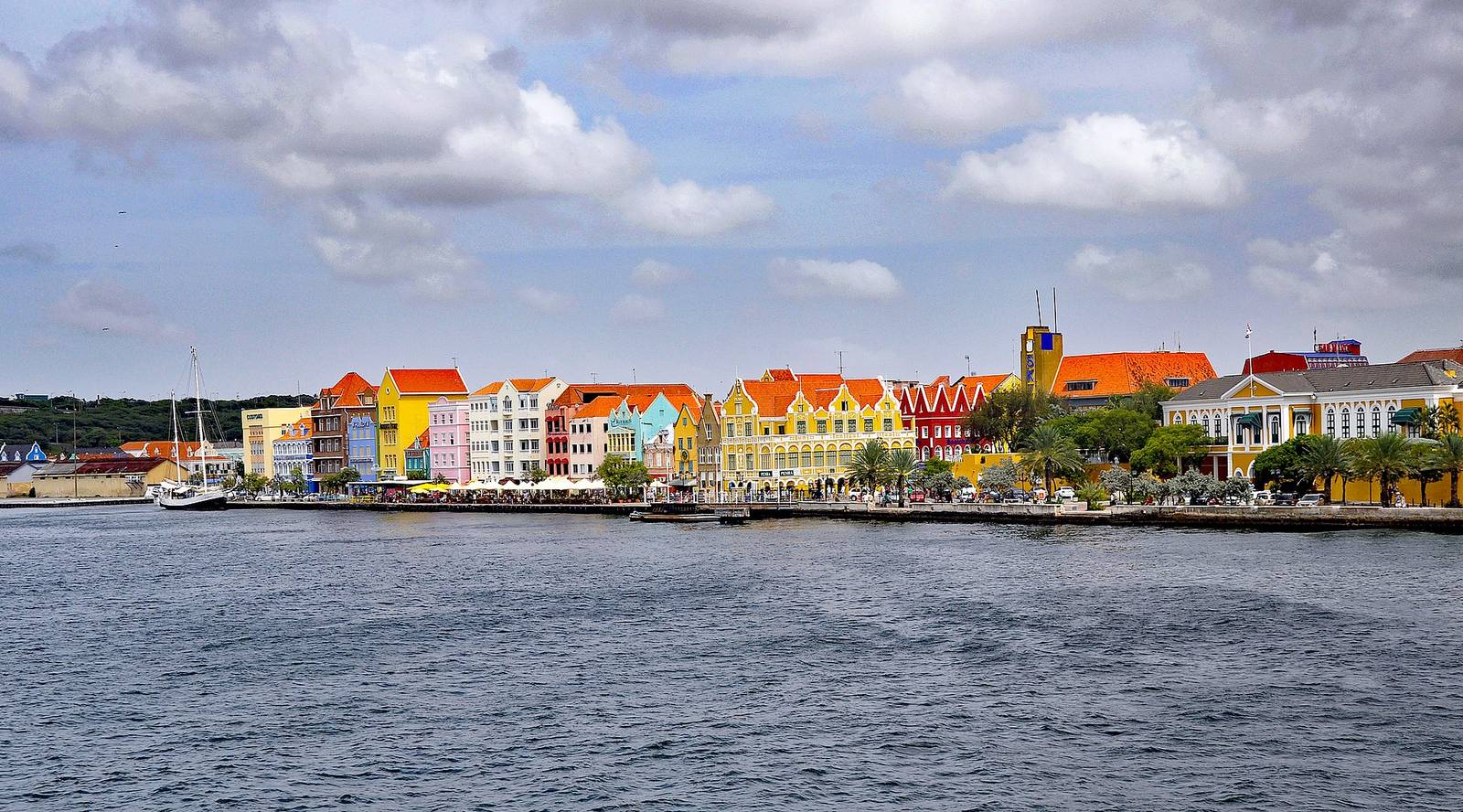
Where to stay in Curaçao: an honest neighborhood guide
Where to stay in Curaçao, honestly compared: Otrobanda, Punda, Pietermaai, Scharloo, Jan Thiel, Mambo Beach…
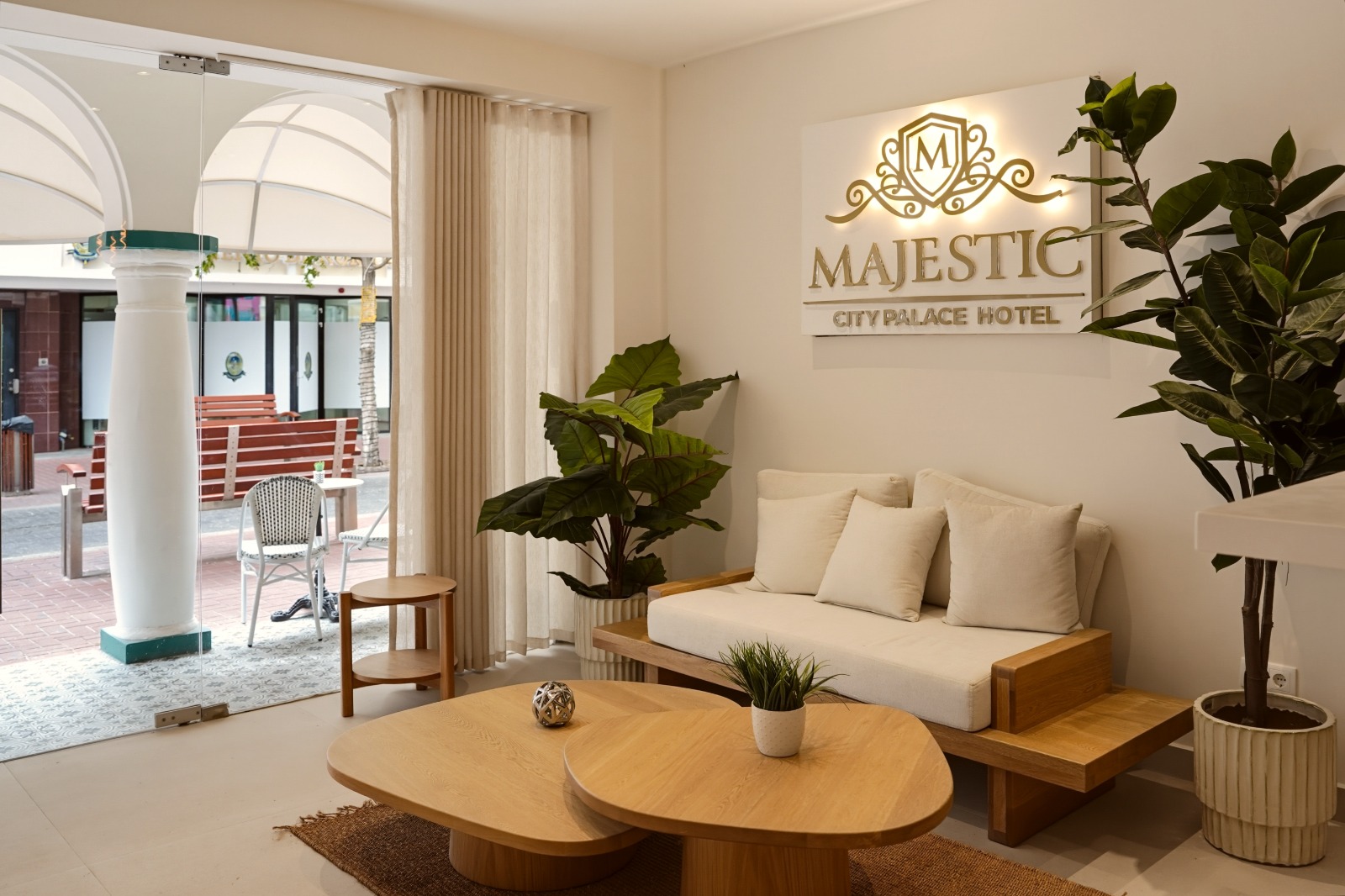
A restored 1892 monument, steps from everything in this guide.
Eighteen boutique rooms across five categories on Breedestraat, Punda. Signature balconies over the main street, and the Van Gogh café pouring espresso downstairs. Reserve your room on Airbnb in a few taps.