
Most travelers meet Curaçao for a single day off a ship, and the island is unusually generous to them: the gangway lands you inside a UNESCO World Heritage city, not at a dusty pier with a taxi queue. You can walk off, see something genuinely great, eat like a local, and stroll rather than sprint back aboard. This is the route we hand visitors at our front desk in Punda, a short walk over the bridge from the pier, with the timing math that keeps the day calm.
I.The two numbers that run your day
Before the first photograph, fix two numbers. The first is all aboard time, and you must know whether your ship runs on local time or keeps the previous port's clock: check the gangway signs, not your phone, which adjusts itself. The second is thirty minutes, the unhurried walk from the far side of Punda back to the terminal, plus the small buffer the floating bridge demands.
On a cruise day the ship's clock is the only authority. Everything in this plan bends to it.
Work backward from all aboard, subtract the walk, subtract lunch, and what remains is yours. A typical call leaves five to six usable hours in the city, which is more than enough for everything below.
II.First hour: Rif Fort and the Otrobanda lanes
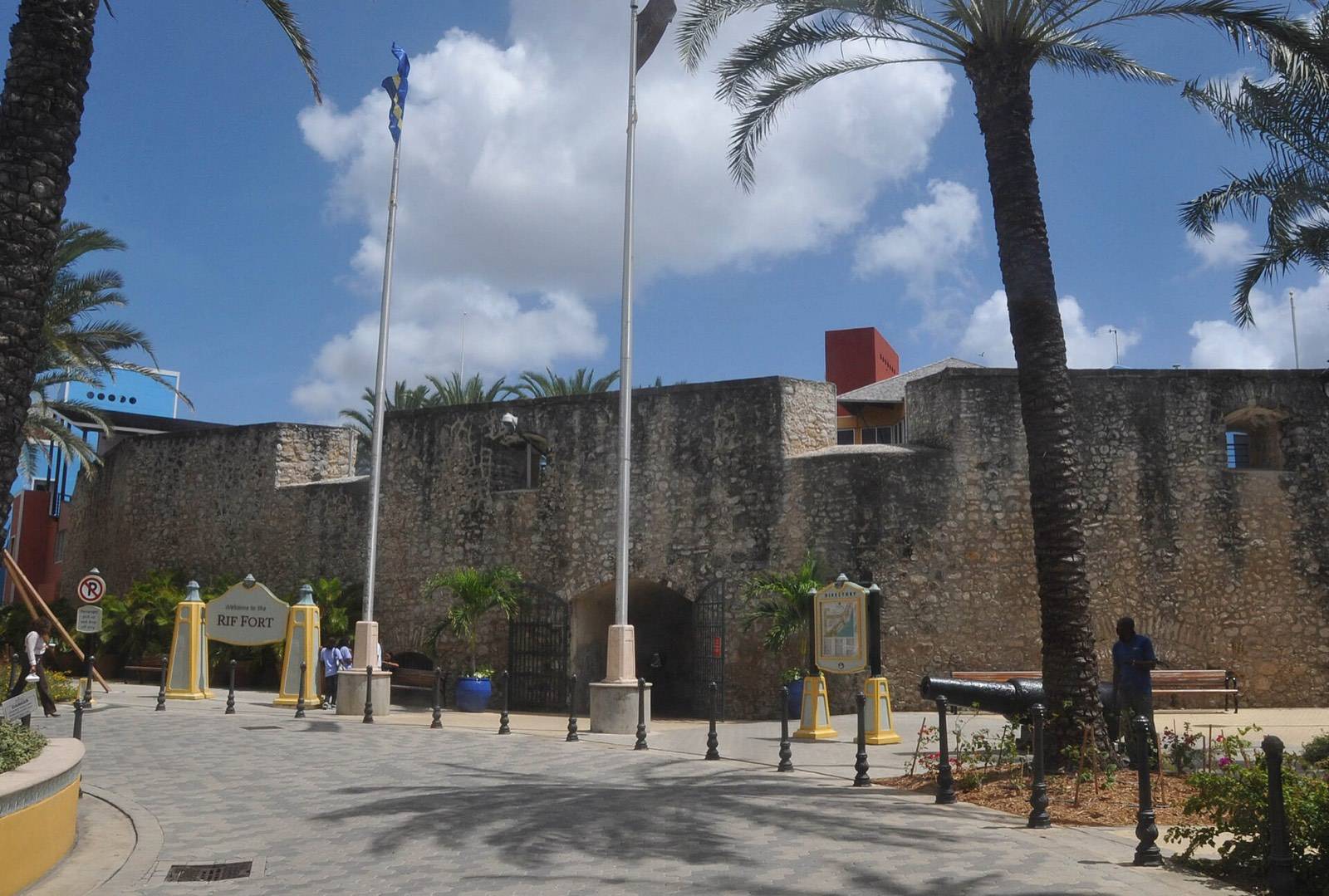
Skip the queue of taxis and walk into the stone arches of the Rif Fort, the harbor-mouth fortification a few steps from the pier, for the view back across the channel. Then give the next stretch to Otrobanda itself, the quarter whose name means the other side in Papiamentu. Its lanes and inner courtyards, the werfs, were built by sailors and craftsmen, and its alleys carry some of the island's best murals. Most of your shipmates will march straight for the bridge; drift two streets deeper and you will have the painted city nearly to yourself. Our guide to things to do in Otrobanda goes further if this side seduces you.
III.Mid-morning: across the floating bridge to Punda
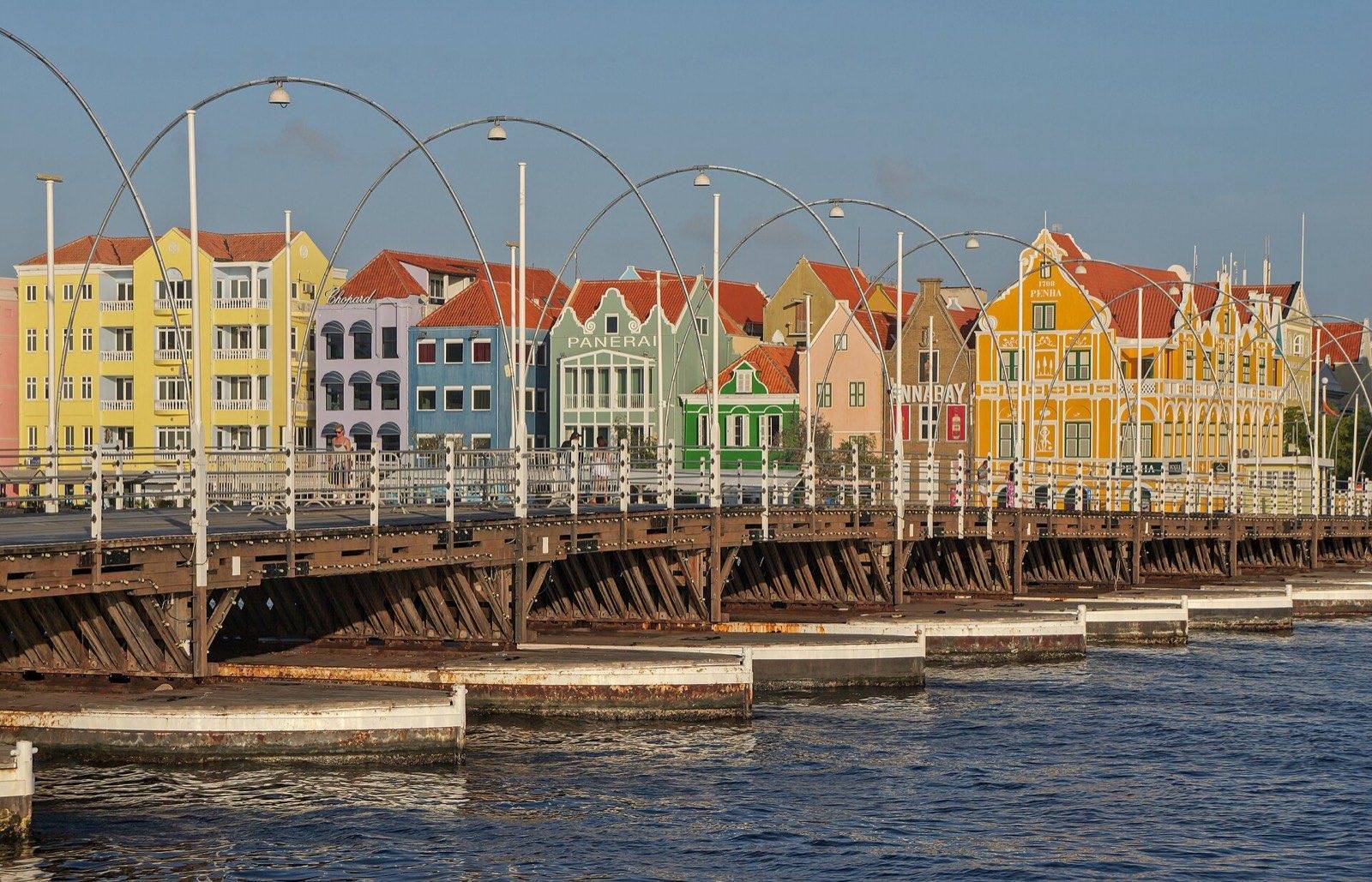
Cross the Queen Emma Bridge, the floating pontoon walkway from 1888 that locals call the Swinging Old Lady, and read the famous Handelskade facades from the middle of the channel. The bridge has its own lore, openings, and best angles, all covered in our Queen Emma Bridge guide.
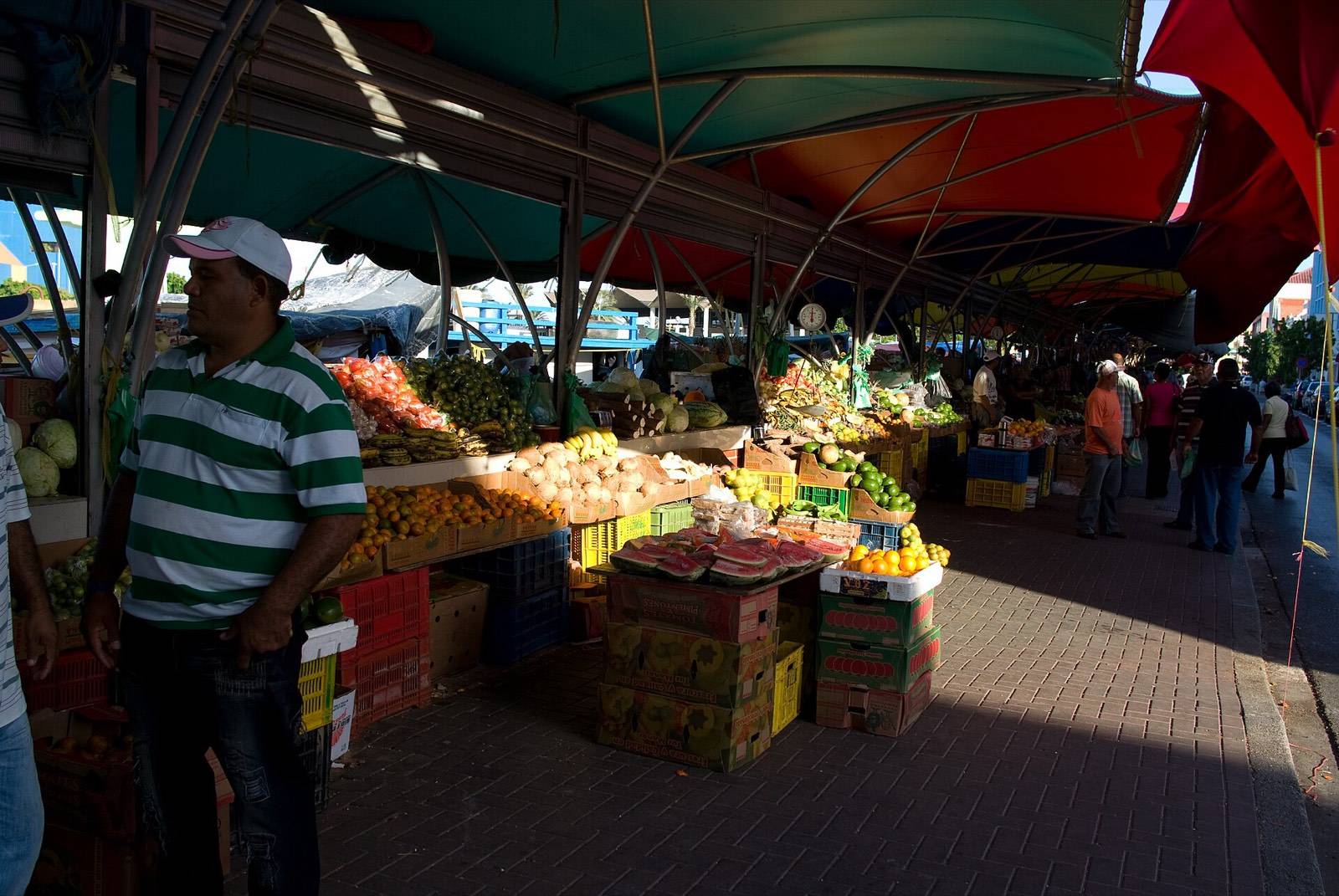
Punda, founded 1634, is a small grid that rewards slow lanes: Breedestraat for the shop fronts, Gomezplein for the shade, and the Mikvé Israel-Emanuel synagogue, the oldest in continuous use in the Americas, its 1732 sanctuary floored with sand. Walk the quay of the Floating Market, where Venezuelan boats have sold fruit for generations. If you mean to carry anything home, local art, a Chichi figure, a bottle of the island's blue liqueur, these lanes are the place; our Punda shopping guide separates the worthwhile from the souvenir noise.
IV.Lunch where the market ladies eat
Resist the waterfront tourist menus for one more block and eat at Plasa Bieu, the old covered market behind Punda, where cooks ladle stoba, fresh catch, and funchi onto plastic plates at long shared tables. It is the best plate of food within walking distance of any pier in the southern Caribbean, and it costs roughly what a snack costs on board. A warm pastechi from a counter is the walking alternative. What the dishes are and how to order them is in our Curaçao food guide.
V.The afternoon fork: sand or streets
With lunch behind you, choose your second act honestly against the clock.
Sand: the realistic beach is the southeast strip near the Sea Aquarium, a short taxi ride from town, where calm water and rentable loungers make an easy two-hour swim. Taxis charge fixed zone rates; confirm the fare, and your return pickup, before you ride. Do not attempt the west-end coves on a standard call: they run forty-five minutes to an hour each way, and the math eats your margin. The trade-offs are mapped in our best beaches guide.
Streets: stay ashore on foot and spend the afternoon on the quarters most day visitors miss, Pietermaai's restored townhouses east of Punda, or a slow mural hunt back through Otrobanda and Scharloo. This version keeps you within thirty minutes of the gangway at all times, which is worth real money in peace of mind.
VI.The walk back: budget it in reverse
| Time before all aboard | Where you should be |
|---|---|
| Three hours | Starting your afternoon act, beach or streets |
| Two hours | Beginning the walk back, Punda side |
| Ninety minutes | Crossing the bridge, or riding the free ferry |
| One hour | Otrobanda side, coffee or last photos near the fort |
| Forty-five minutes | Through the terminal gates |
This schedule looks cautious right up until the bridge swings open with you on the wrong side, at which point it looks exactly right. The ferry is quick, but queues form when a ship's worth of passengers discovers it at once.
VII.What not to attempt in one call
Klein Curaçao, the islet two hours offshore, is a full-day boat trip and a different vacation. The west-end beaches, the Christoffel summit, and Shete Boka's blowholes all belong to travelers sleeping ashore. If today convinces you the island deserves more, and it tends to, start with our guide to one day in Willemstad done at a resident's pace, then plan a real stay. The historic center keeps its best hours, dawn and dusk, for the people still here after the horns sound.
Questions travelers ask
Straight answers from the front desk.
How far is the Curaçao cruise terminal from downtown Willemstad?
Do I need a shore excursion in Curaçao?
Can I visit a beach on a Curaçao cruise day?
What money should I bring ashore in Curaçao?
What if the Queen Emma Bridge is open when I need to cross back?
Keep exploring
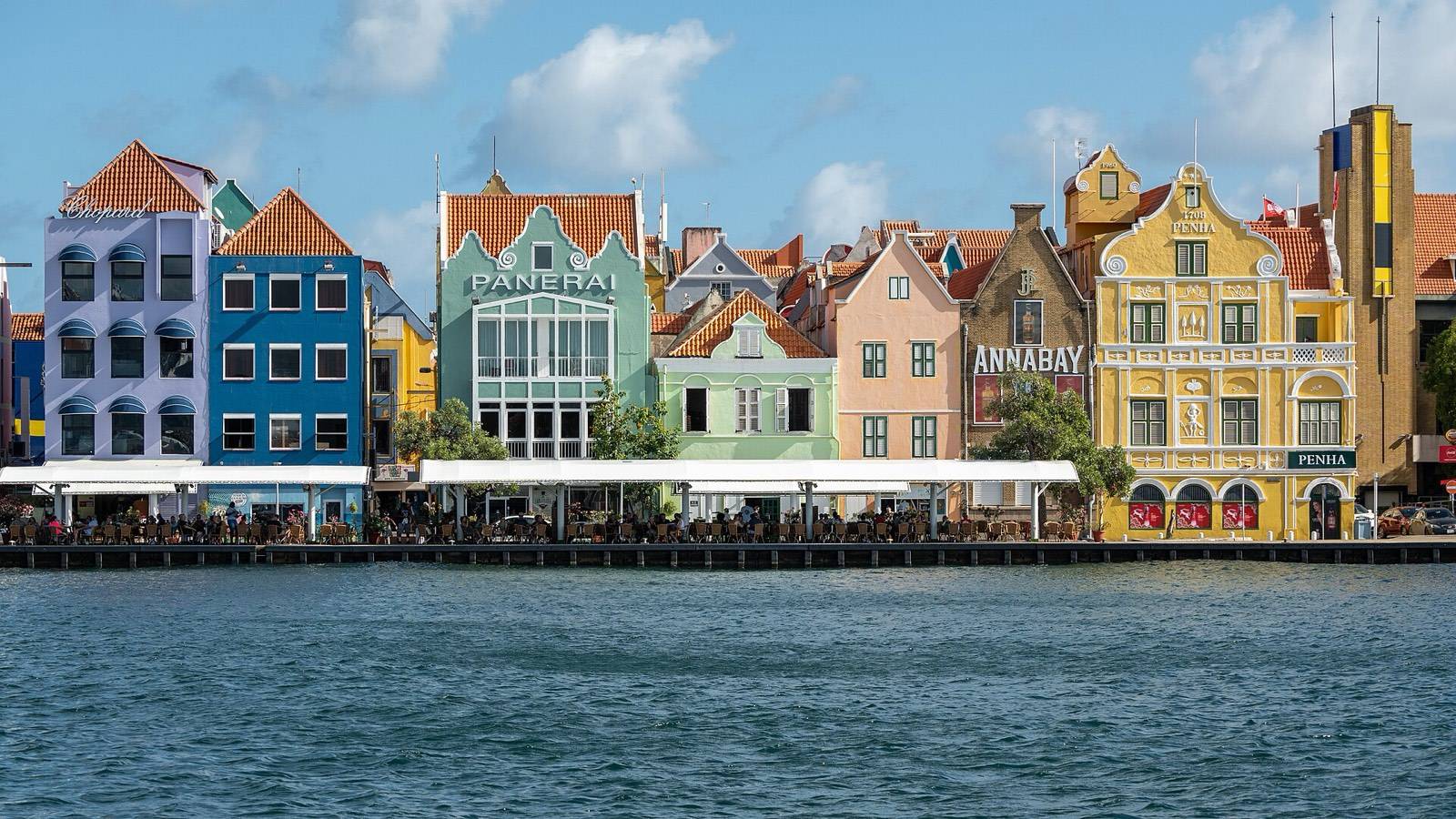
One day in Willemstad: a dawn-to-dark loop of the UNESCO city
One day in Willemstad, dawn to dark: golden hour on the Handelskade, Punda lanes and markets, bridge…
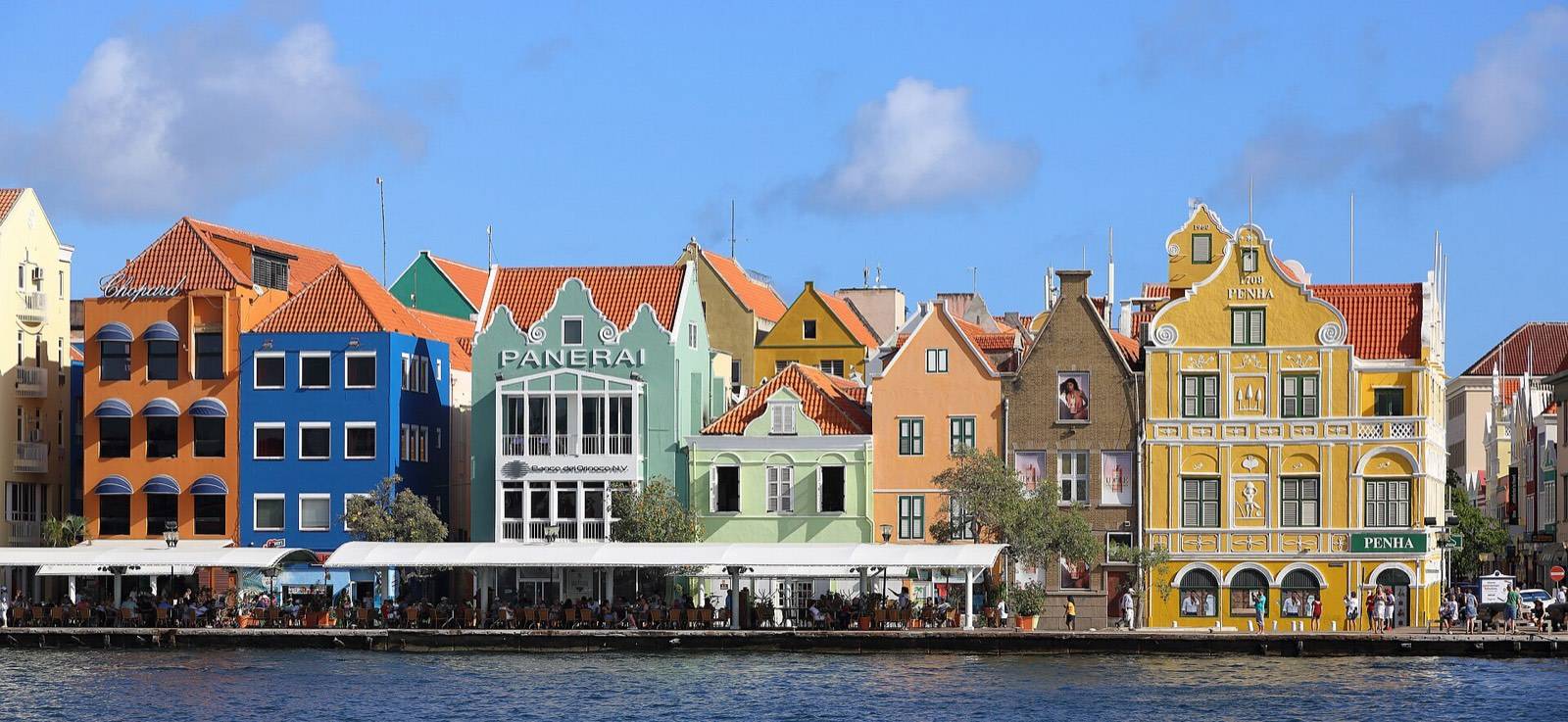
Things to do in Punda: the painted heart of Willemstad
The best things to do in Punda, Willemstad: the Handelskade at first light, a sand-floored synagogue, the…
Willemstad walking tour: a self-guided loop of both banks
A self-guided Willemstad walking tour: 2.5 hours, 11 numbered stops across Otrobanda and Punda, from Rif Fort…
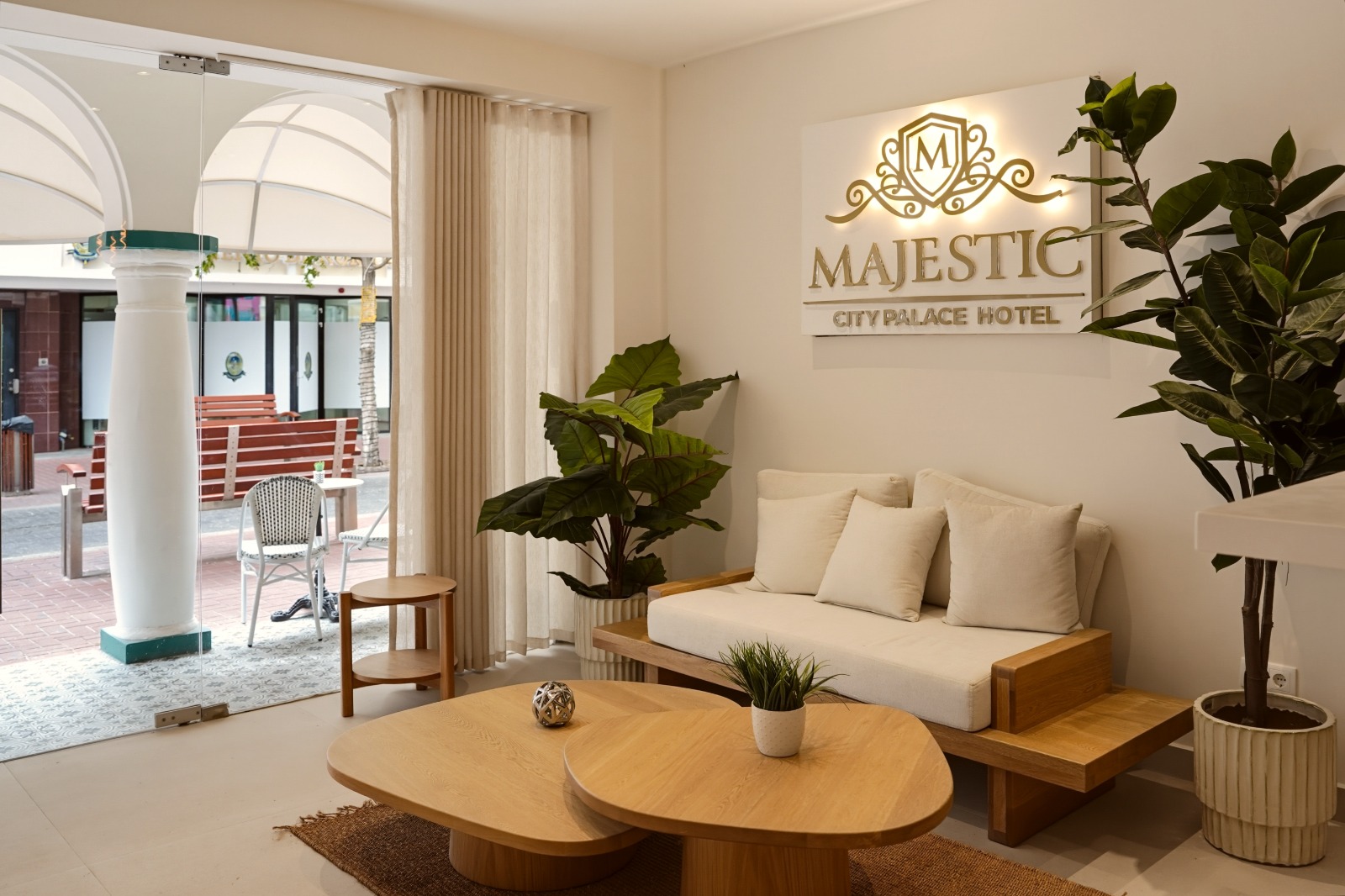
A restored 1892 monument, steps from everything in this guide.
Eighteen boutique rooms across five categories on Breedestraat, Punda. Signature balconies over the main street, and the Van Gogh café pouring espresso downstairs. Reserve your room on Airbnb in a few taps.