
Most visitors give Willemstad half a day and spend it within two hundred meters of the bridge. They leave charmed and shortchanged. This is a city built in four distinct quarters around a working harbor, inscribed whole as a UNESCO World Heritage Site in 1997, and it changes character with the light: shy at dawn, brisk at noon, golden and talkative after dark. One full day, walked in the right order, gets you all of it. No car, no beaches, no detours. The coves can wait until tomorrow; today belongs to the streets.
I.Dawn: the city before it wakes
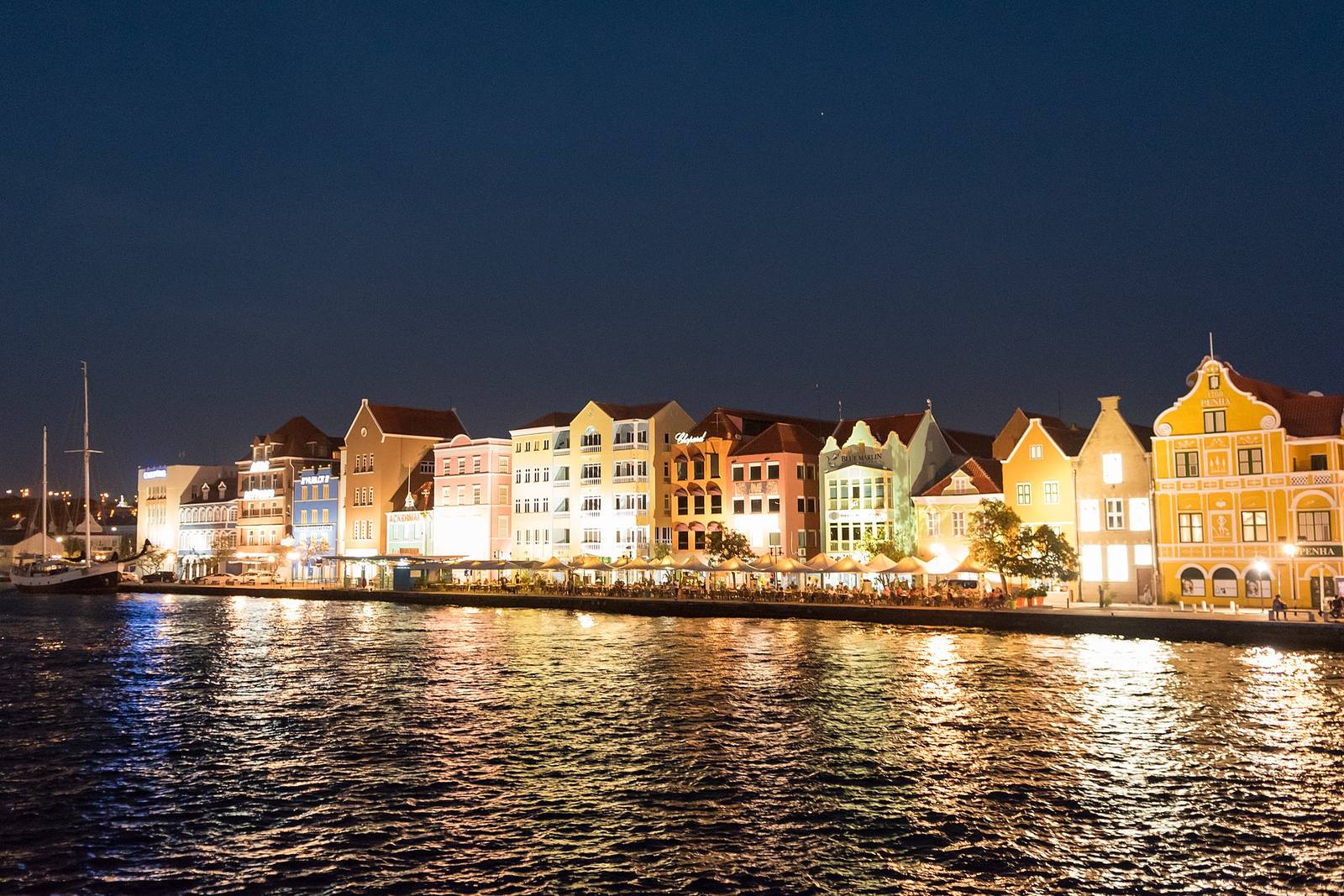
Start on the Otrobanda bank while the streetlights are still arguing with the sun. From our door in Punda it is a two-minute walk to the bridge and a short crossing to the far waterfront, where the Handelskade across the channel takes the first light full in the face, every facade lit like a stage and not a soul on the quay. This is the photograph people fly here for, and it costs you only an alarm clock.
Then walk back over the Queen Emma Bridge while it is still empty. The 1888 pontoon walkway moves underfoot, gently, like a ship that never sails, and the harbor reads differently from the middle of it. If the horn sounds and the bridge swings open for an early vessel, take the free ferry instead and call it a bonus. The bridge's full story, openings, angles, and lore, is in our Queen Emma Bridge guide.
II.Morning: Punda, lane by lane
Punda, founded 1634, is the merchants' quarter, a small grid that rewards method: walk every lane once rather than three lanes three times. Breedestraat and Heerenstraat carry the shop fronts and the morning bustle; Gomezplein holds the shade. The essential interior is the Mikvé Israel-Emanuel synagogue, the oldest in continuous use in the Americas, where the 1732 sanctuary is floored with sand and the quiet feels structural. Give it real time, not a doorway glance.
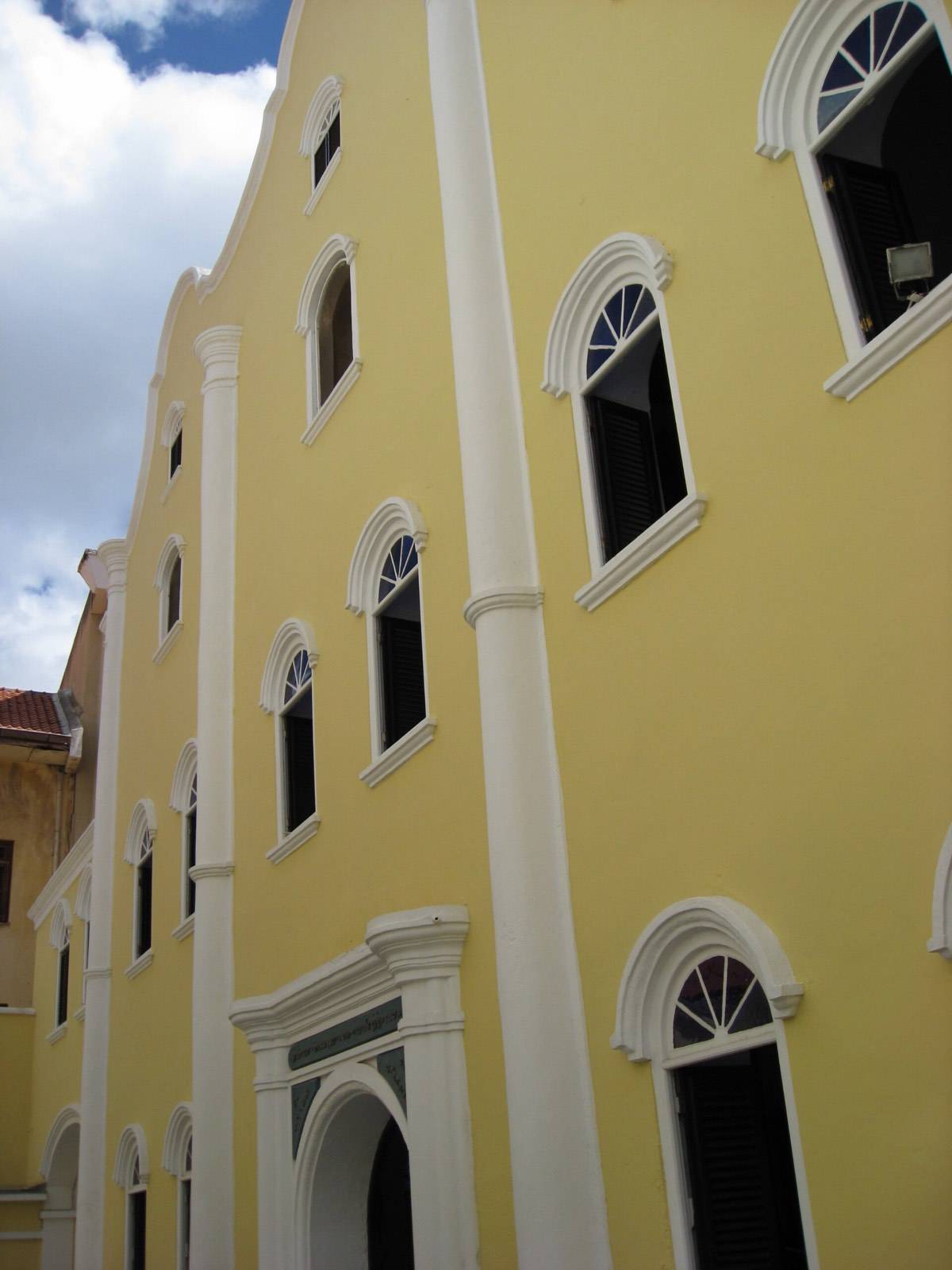
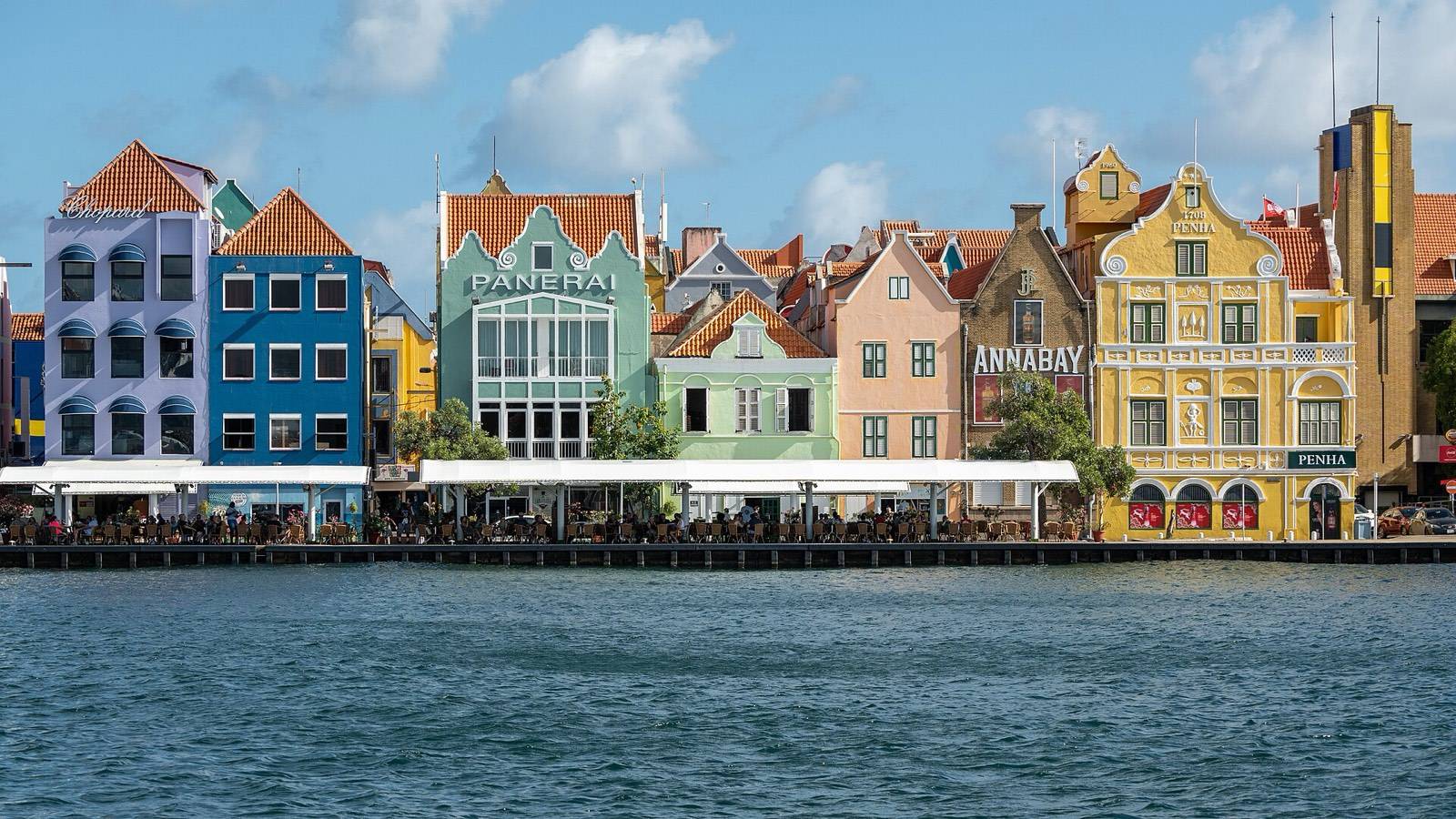
Photographers should mind the clock here: Punda's lanes are at their best before the late-morning crowds, when the light still drops between the gables at an angle worth keeping.
III.Midday: markets, then a covered-market lunch
Follow the waterfront to the Floating Market, where Venezuelan boats have moored to sell fruit for generations; buy something you cannot name and eat it on the quay. Then do lunch the way the city has always done it, at Plasa Bieu, the old covered market, where cooks serve stoba, funchi, and fresh catch at long shared tables and the plastic plates outclass most porcelain. Order whatever the woman ahead of you ordered. A batido, the fresh fruit shake, finishes it. The wider eating map, quarter by quarter, lives in where to eat in Willemstad.
IV.Early afternoon: the quarters most people miss
This is the hot, slow stretch of the day, so spend it strolling rather than striding. Walk east into Pietermaai, the third UNESCO quarter, where restored townhouses in faded pastels house cafés and dinner rooms that will matter later tonight. Then loop back through Scharloo, the old merchants' residential quarter, whose mansions run from wedding-cake white to a famous bottle green. These two quarters hold the city's most elegant architecture and a fraction of its foot traffic, which is a trade you should accept gladly.
V.Late afternoon: Otrobanda, the other side
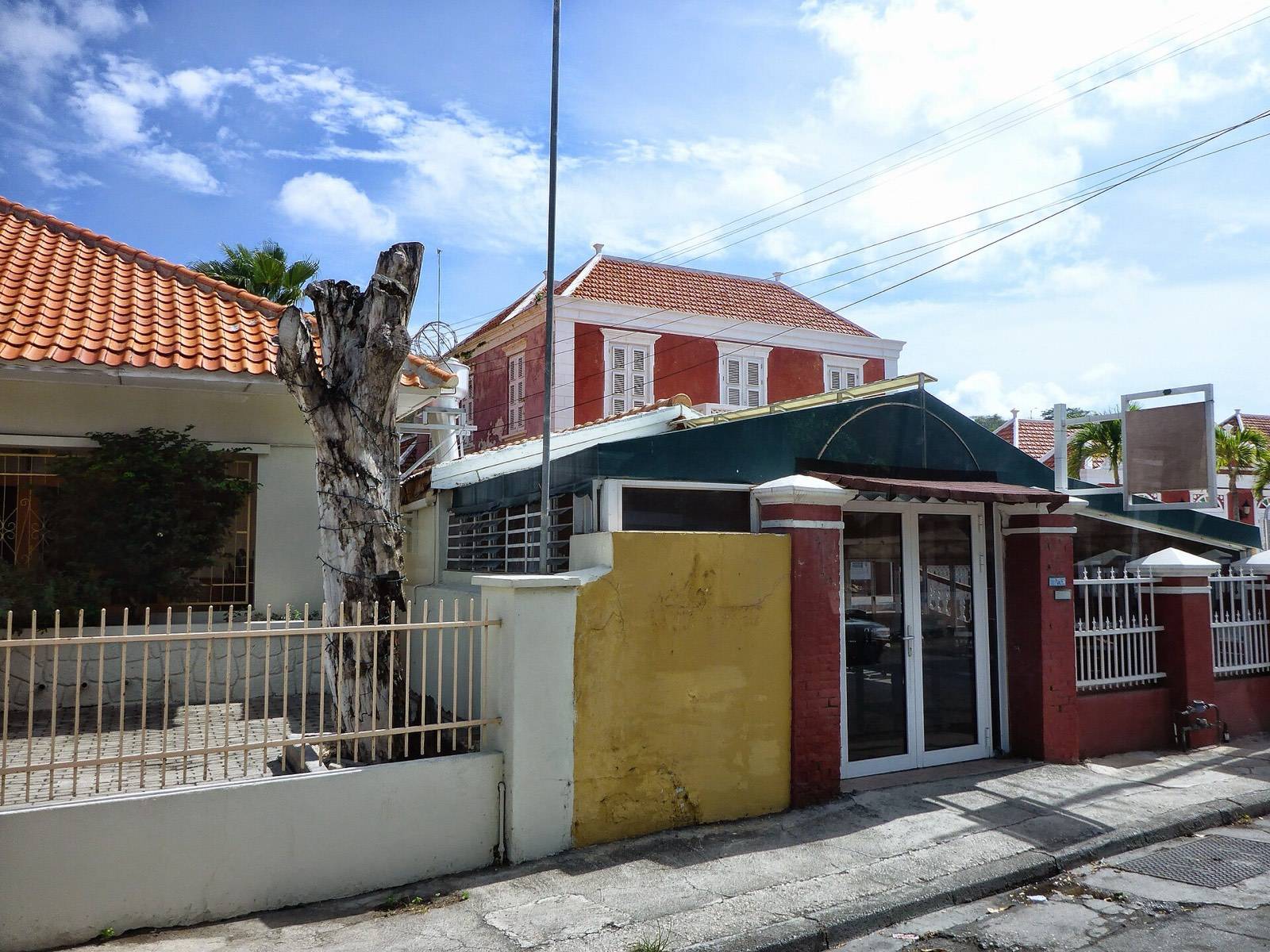
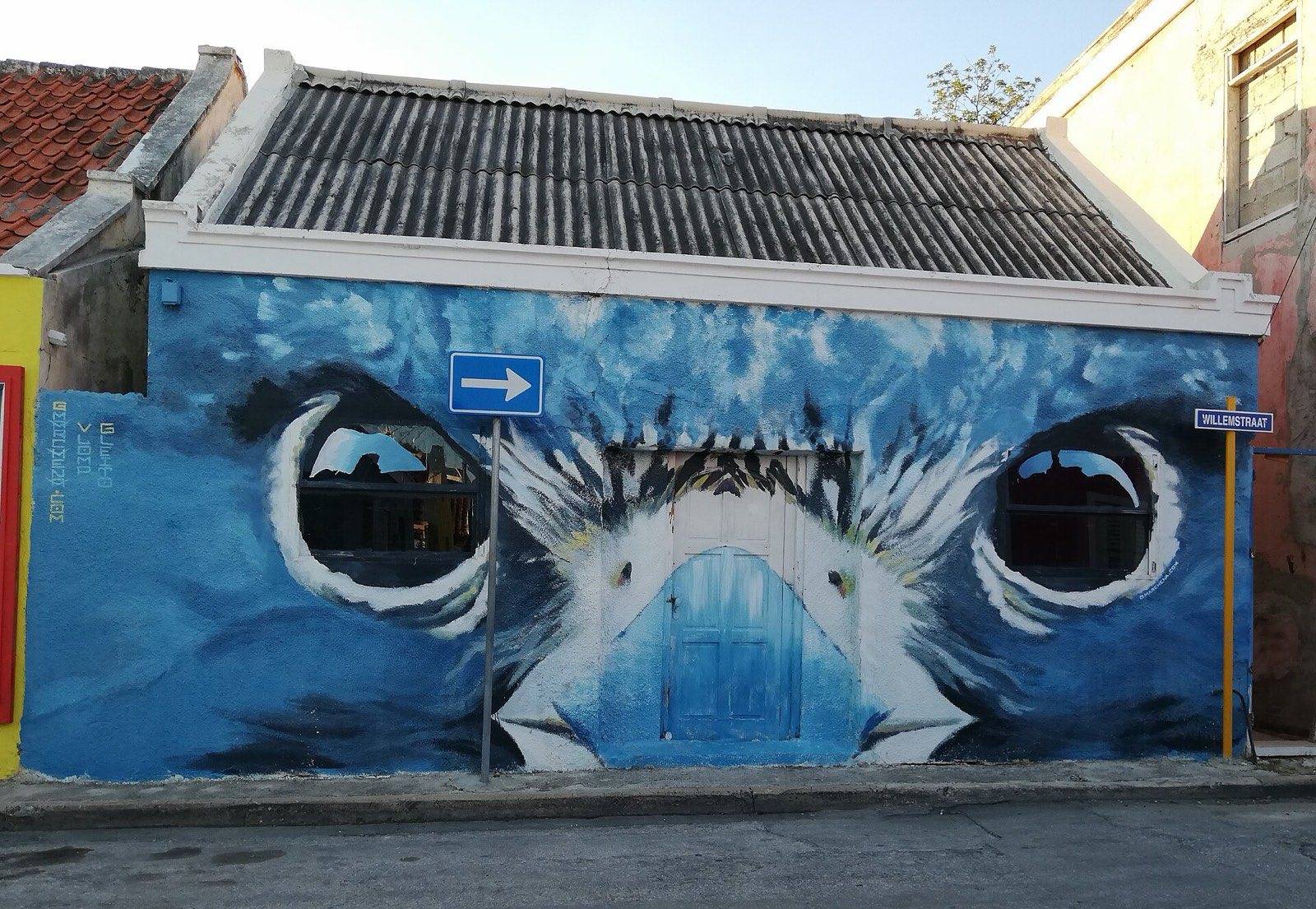
Cross the bridge again, this time into the depth of Otrobanda, whose name means the other side in Papiamentu and whose character was built by sailors and craftsmen rather than merchants. Get deliberately lost in the werfs, the inner courtyards behind the street walls, then hunt murals through the alleys: the quarter, with neighboring Scharloo, carries the island's best street art, mapped in our guide to Otrobanda and Scharloo street art. Finish the daylight on the ramparts of the Rif Fort at the harbor mouth, where the sightlines run from the cruise pier to the open sea.
A city this small should not need a whole day. Then the bridge swings open, the light changes, and you understand exactly why it does.
VI.Dusk to dark: the second performance
The Handelskade lights its colors twice a day, and the evening showing comes with a soundtrack. Watch it from the Otrobanda waterfront as the bridge lights come up, then cross one final time for dinner: Pietermaai's strung-light dinner rooms for the dressed-up version, or a neighborhood plate back on the Otrobanda side for the local one. If your day is a Thursday, surrender the plan entirely to Punda Vibes, the weekly street celebration of music, open galleries, and food stalls that fills the lanes until late.
VII.The loop at a glance
| Hours | Quarter | The point |
|---|---|---|
| Dawn | Otrobanda waterfront | Facades at first light, empty quay, first crossing |
| Morning | Punda | The lanes, the synagogue, the shop fronts |
| Midday | Punda edges | Floating Market, Plasa Bieu lunch |
| Early afternoon | Pietermaai and Scharloo | Restored streets at strolling pace |
| Late afternoon | Otrobanda | Werfs, murals, Rif Fort ramparts |
| Dusk to dark | The bridge and beyond | Lights on the water, dinner, Punda Vibes on Thursdays |
Cruise visitors can compress this loop into a port call, and our cruise day itinerary shows where to cut. But the full dawn-to-dark version belongs to travelers sleeping in the historic center, who get the two hours the day visitors never see: the first, when the city belongs to the light, and the last, when it belongs to the people who live here. Bon biní, as the island says. Welcome. You will want the whole day.
Questions travelers ask
Straight answers from the front desk.
Can you see Willemstad in one day?
Is Willemstad walkable?
What time of day is best for the Handelskade?
Does this one-day plan include a beach?
What happens in Willemstad on Thursday evenings?
Keep exploring
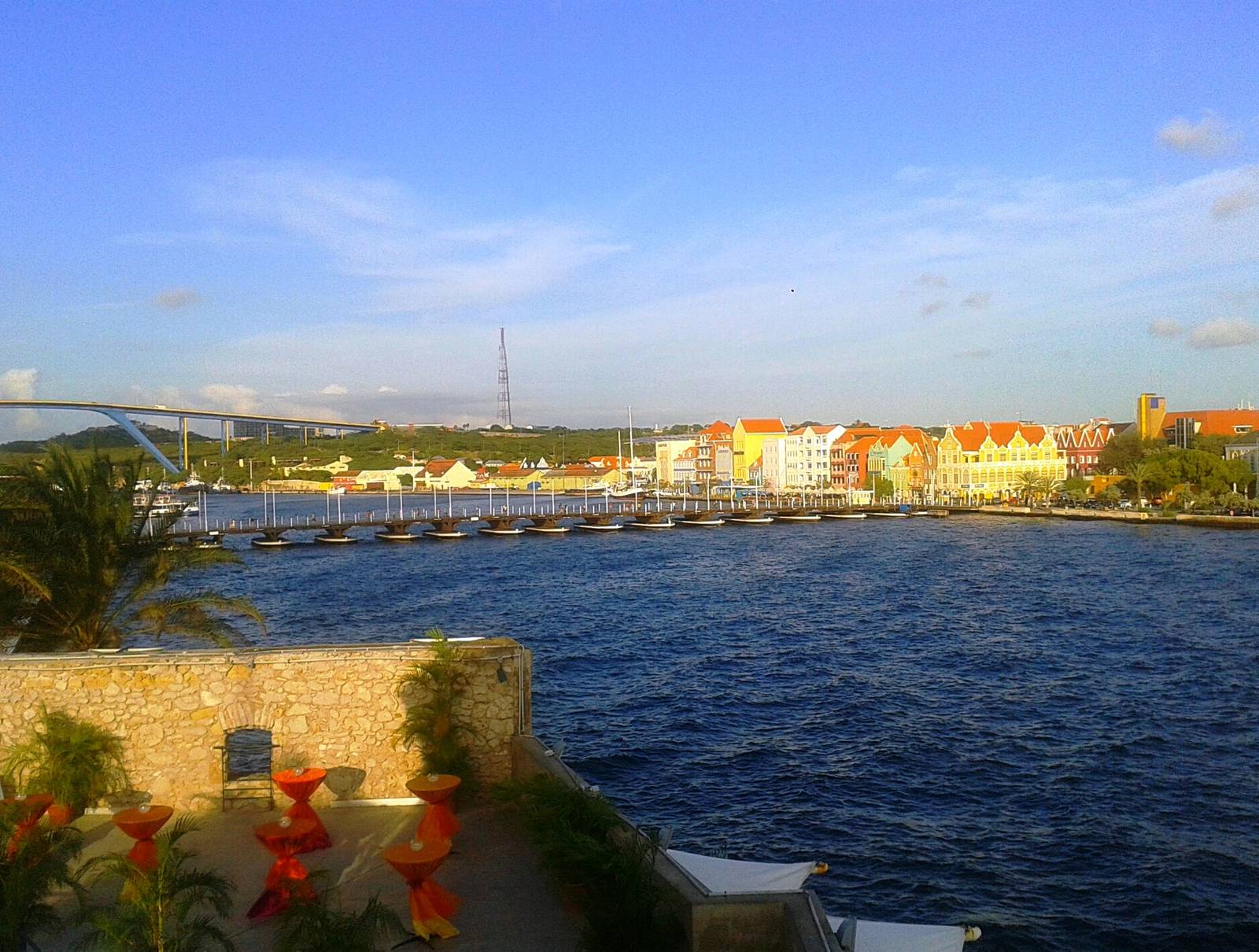
Things to do in Otrobanda: across the floating bridge
Things to do in Otrobanda, Willemstad: Rif Fort ramparts, hidden alleys and werfs, world-class street art and…
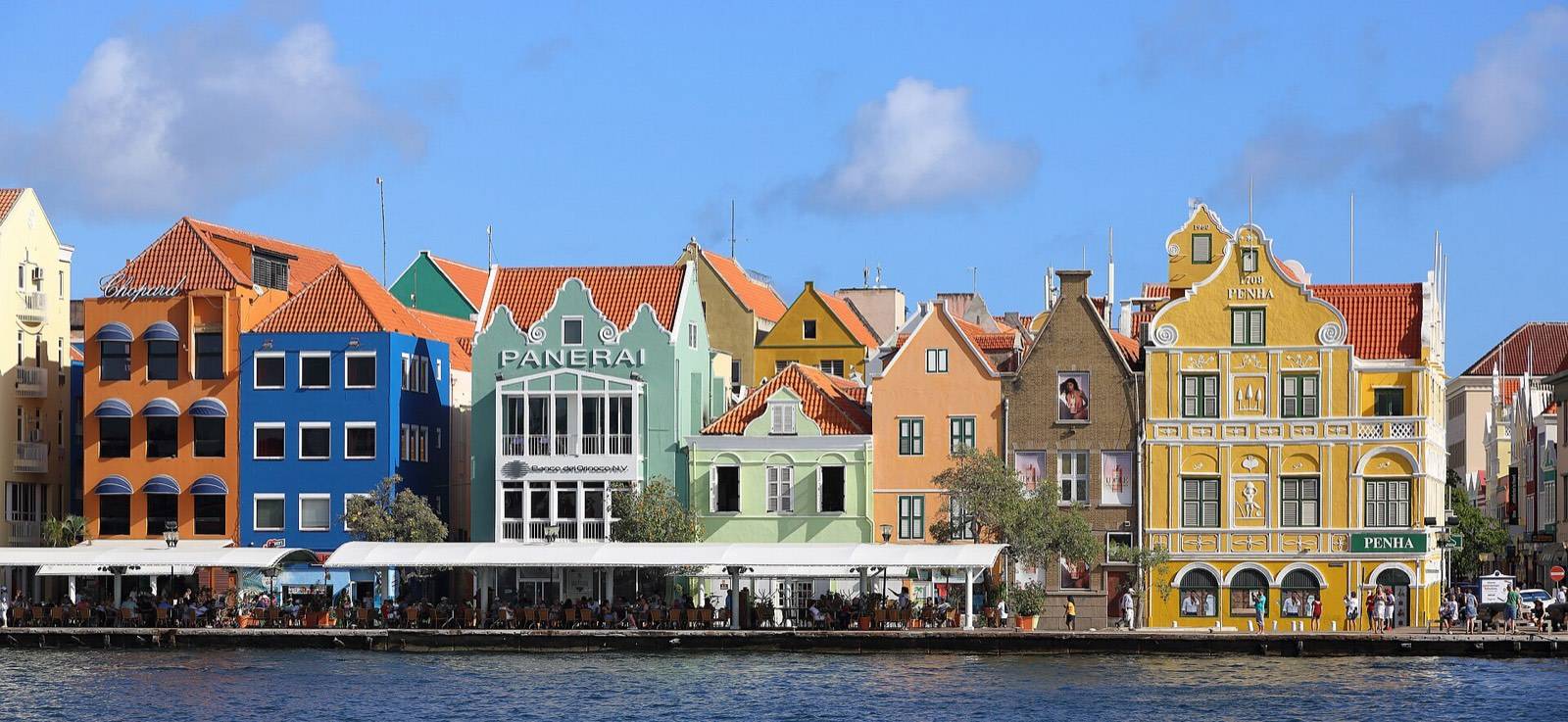
Things to do in Punda: the painted heart of Willemstad
The best things to do in Punda, Willemstad: the Handelskade at first light, a sand-floored synagogue, the…
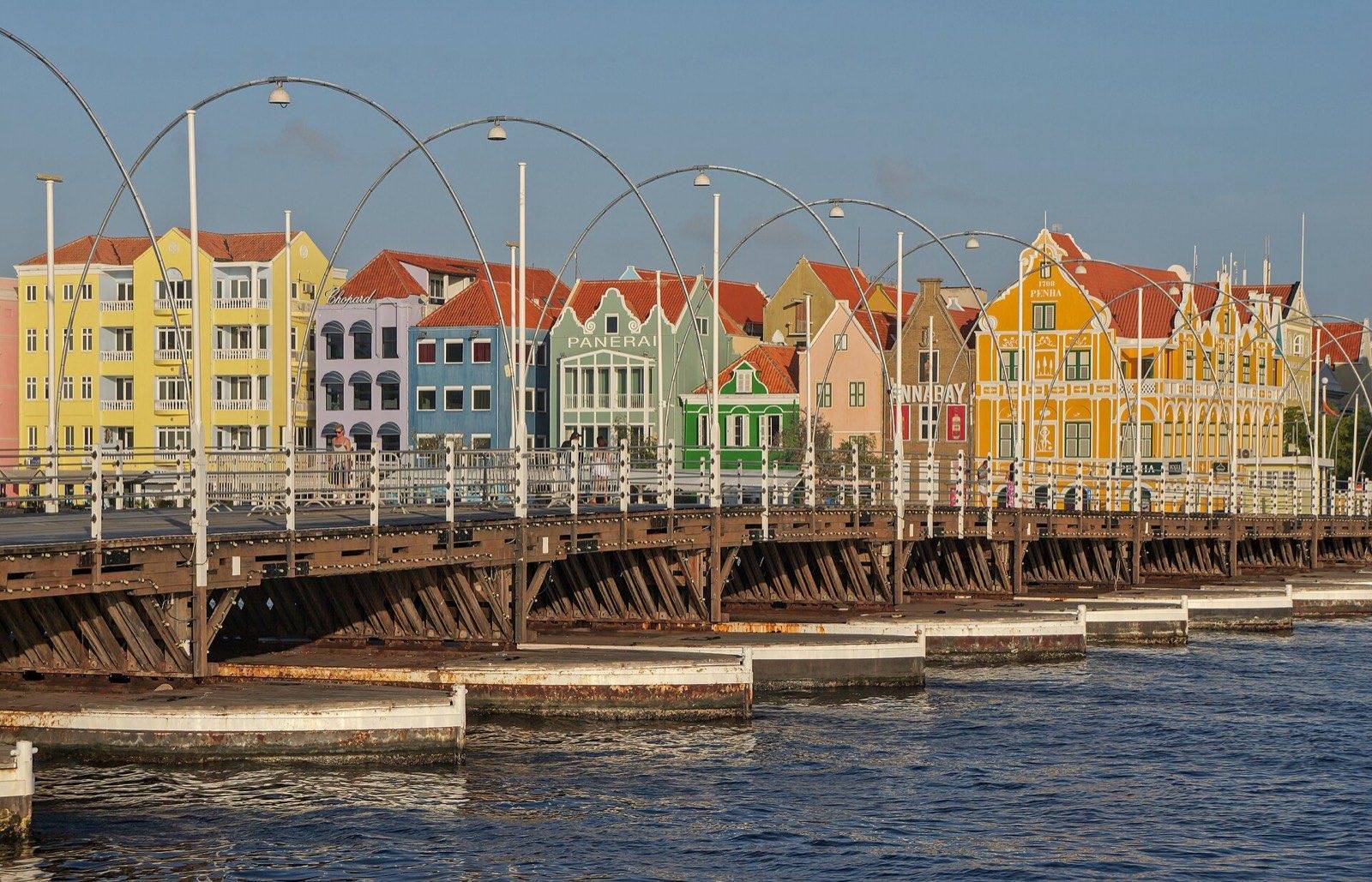
Willemstad walking tour: a self-guided loop of both banks
A self-guided Willemstad walking tour: 2.5 hours, 11 numbered stops across Otrobanda and Punda, from Rif Fort…
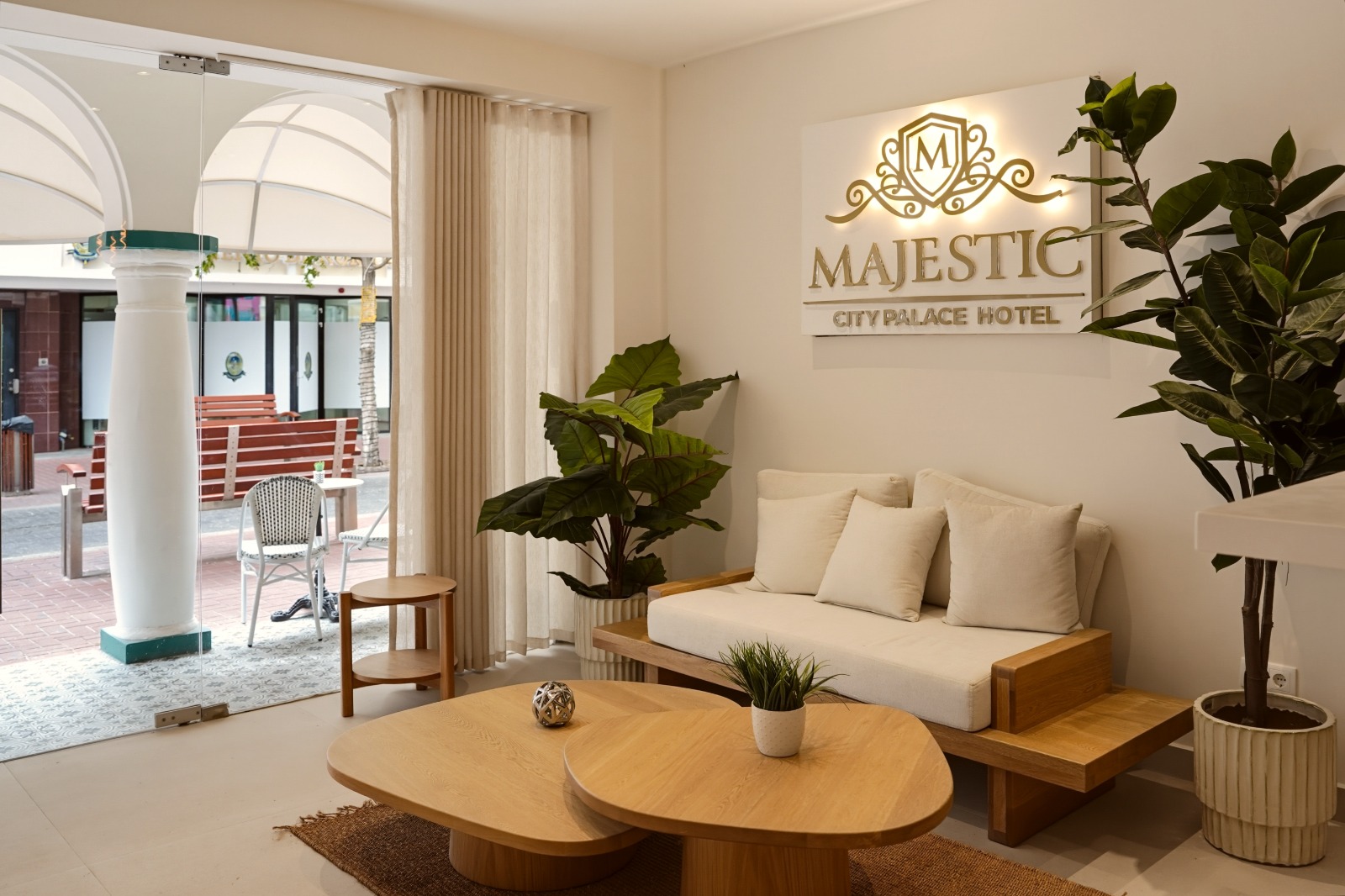
A restored 1892 monument, steps from everything in this guide.
Eighteen boutique rooms across five categories on Breedestraat, Punda. Signature balconies over the main street, and the Van Gogh café pouring espresso downstairs. Reserve your room on Airbnb in a few taps.