
Curaçao's table was set by many hands. African cooking carried across the Atlantic by people who were given no choice in the crossing. Dutch provisioning that filled the warehouses with wheels of cheese. Produce ferried over from the Venezuelan coast, and the seasonings of Sephardic kitchens that have flavored the city since its earliest generations. The result is creole cuisine in the truest sense: dishes that exist nowhere else, built from what the island had, perfected by cooks who made much from little.
This guide walks the canon dish by dish, with honest notes on where each one is at its best. For the scenes themselves, the markets and dinner rows and snack windows, start with where to eat in Willemstad.
I.Keshi yena: the dish with the deepest story
If the island has a national dish, it is keshi yena, literally stuffed cheese: a shell or rind of Dutch cheese packed with spiced chicken or beef, olives, capers, raisins, and a touch of pickled sharpness, then baked until the whole thing slumps into something rich and improbable.
The story told on the island reaches back to the plantation era, when the households of the colonial estates discarded the hardened rinds of their Edam and Gouda, and the enslaved cooks who worked those kitchens filled the rinds with scraps and seasoning and made them into a meal worth wanting. Whatever the precise history, the island tells it with pride rather than nostalgia: keshi yena is resourcefulness elevated into heritage, and eating it is a small act of remembering. You will find it at lunch counters and white-tablecloth rooms alike; as a rule, the humbler the room, the more honest the portion.
Keshi yena began with what one kitchen threw away and another refused to waste. The island has never forgotten which kitchen made it worth eating.
II.Pastechi: how the island starts the day
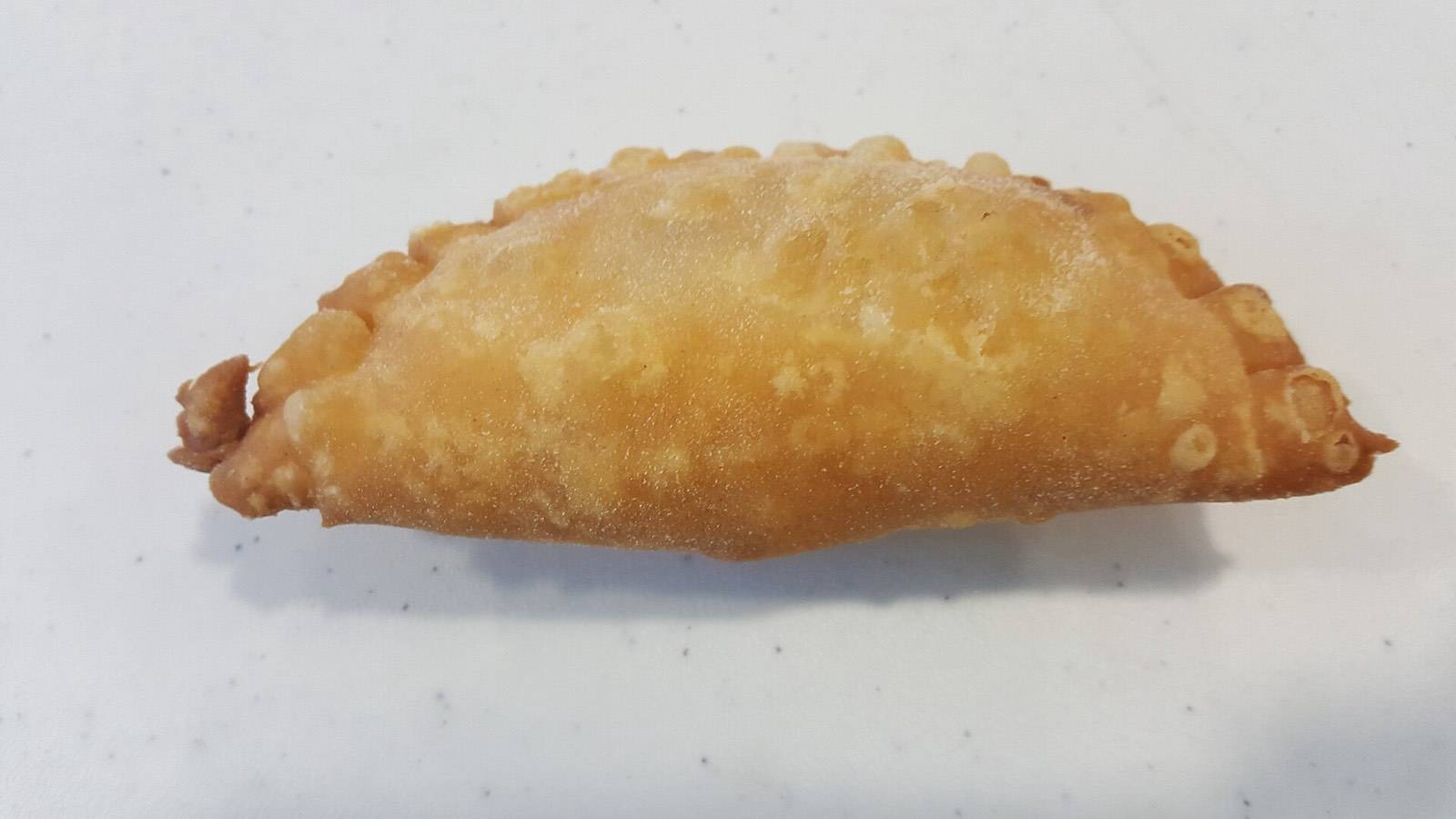
The pastechi is the first bite of the day, ritual, and small currency all at once: a half-moon of fried dough, golden and blistered, filled most classically with Gouda, otherwise with spiced ground beef, chicken, or salt fish. Locals buy them at snack windows and bakery counters from early morning, eat them standing, and argue about whose are best with the seriousness other countries reserve for football.
Order yours warm, with a cold fresh juice, and you have the island's definitive start to the day for a few dollars. The cheese pastechi is the benchmark; judge any snack window by it. By mid-morning the good trays thin out, which tells you everything about how seriously the habit is kept.
III.Funchi and tutu: the cornmeal backbone
Funchi is cornmeal cooked firm, turned out and sliced, the quiet foundation under stews and fish across the island. It is kin to polenta but denser and plainer on purpose: its job is to carry sauce, and it does that job without complaint. Tutu is its richer cousin, cornmeal worked with black-eyed peas and a little sweetness, closer to a dish in its own right and a fixture of home cooking. Between them they are the starch memory of the island, and a market plate without funchi is a plate half served. Fried funchi sticks, crisp outside and soft within, are the gateway version for skeptics.
IV.Stoba: patience in a pot
Stoba simply means stew, and it is the deepest register of home cooking here. Goat stoba is the classic: simmered slowly until tender, seasoned with peppers and warmth rather than fire, served over funchi. Beef stoba runs alongside it, and you will meet pumpkin and papaya versions in home kitchens. It is the dish to order when you want to taste time rather than technique, and it is at its best from the big midday pots at Plasa Bieu, the old covered market in Punda.
A note on heat: the island's table sauce is a fierce homemade pepper blend that tends to appear in repurposed jars. Add it drop by drop, and respect any jar that looks older than the menu.
V.The daily catch: snapper, mahi, and the honest menu
Curaçao eats fish the way a port town should: whatever came in, cooked simply, eaten the same day. Red snapper arrives whole and fried, its crisped edges defended by people who know. Mahi comes grilled or in Creole sauce, tomatoes and peppers cooked down into something between a stew and a blessing. The phrase to use is catch of the day, and the places to use it run from the market hall in Punda at lunch to the fishing-village kitchens of the west end, where the boats land within sight of the table.
VI.Batidos and the Venezuelan thread
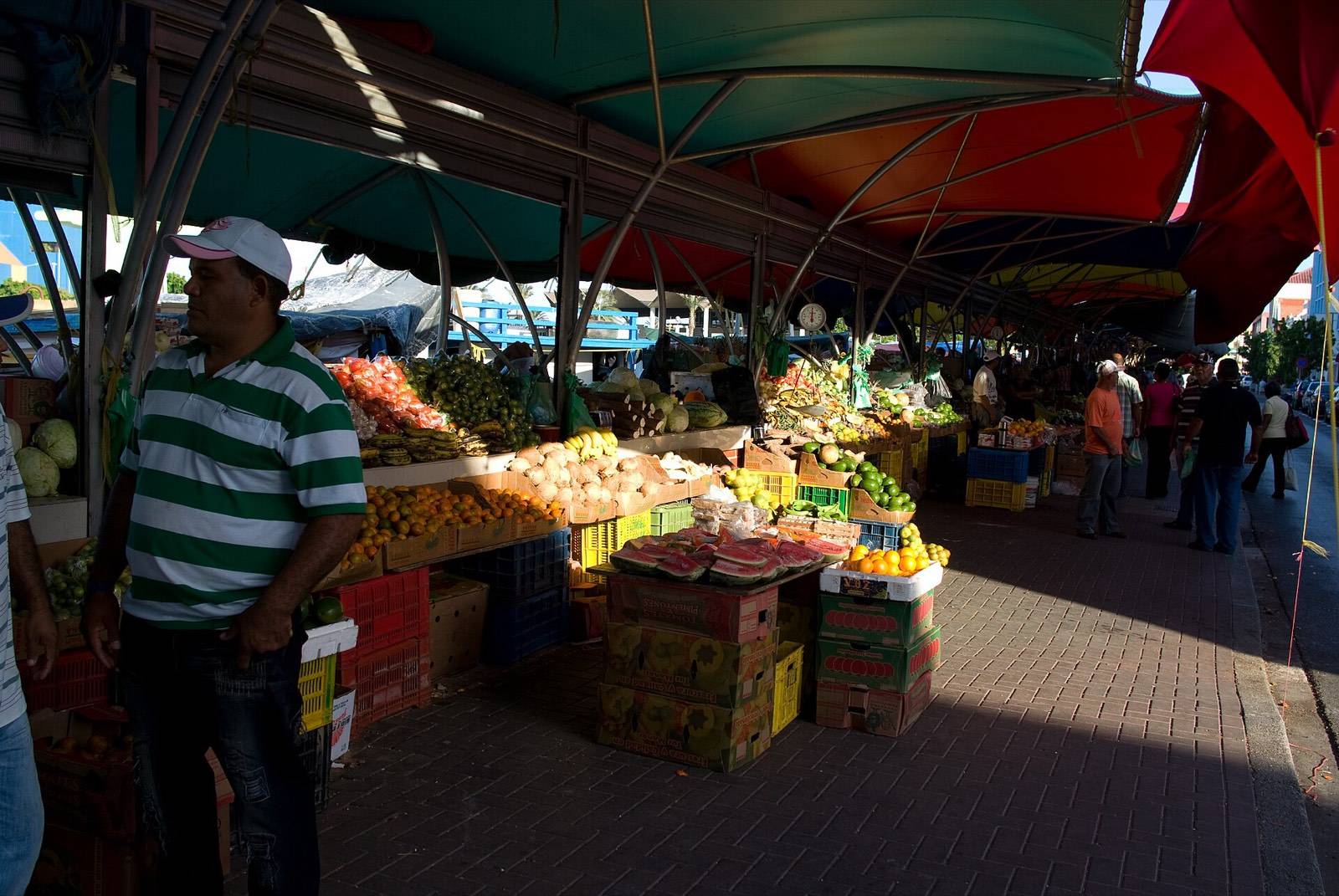
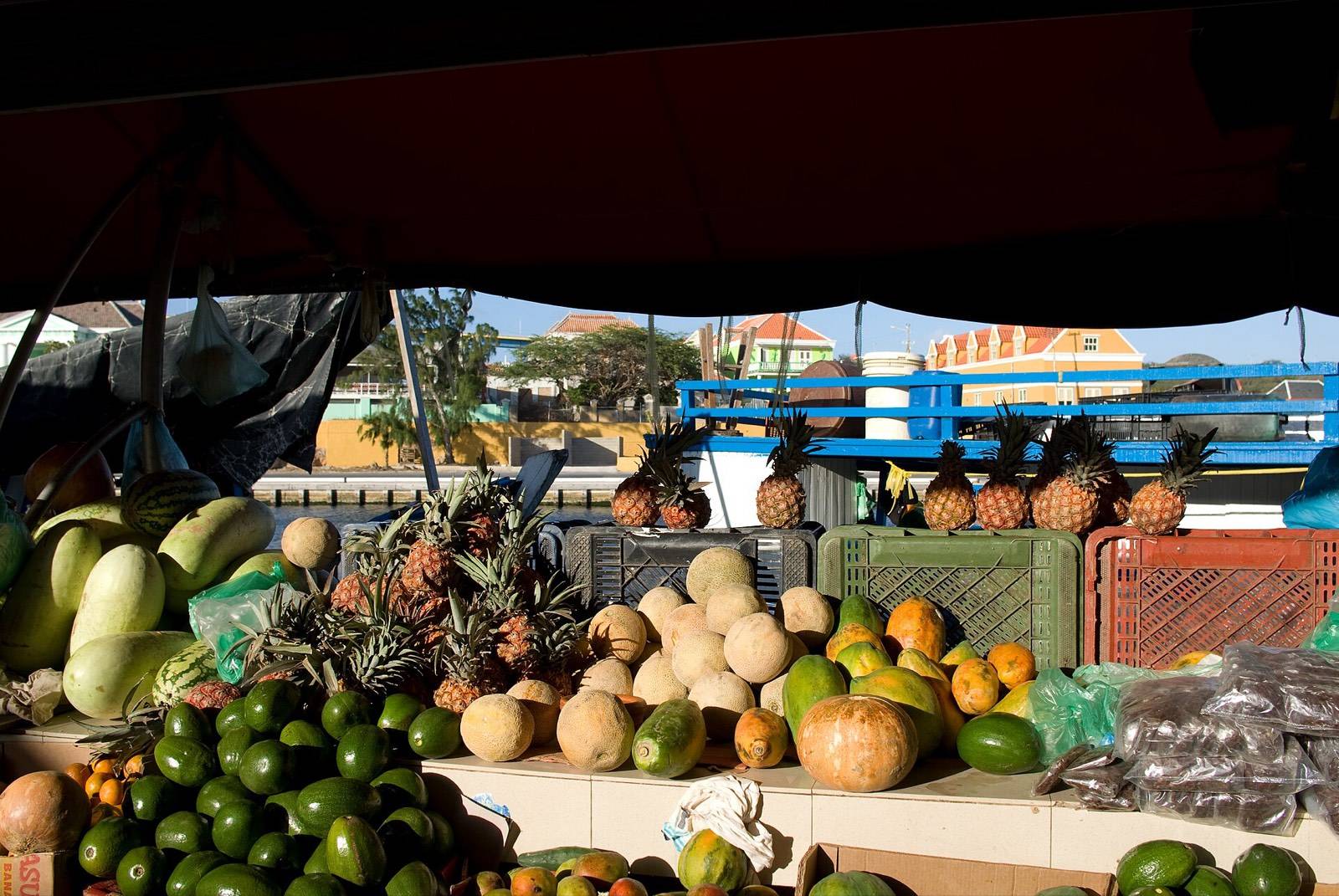
Tie the island's produce to its geography and you arrive at the Floating Market, the line of Venezuelan boats that has moored along the Punda waterfront for generations, selling mangoes, papayas, plantains, and peppers straight off the deck. That thread runs through the whole cuisine: Latin music in the kitchens, Spanish on the chalkboards, and above all the batido, the fresh fruit shake blended to order at stands around the market. A cold batido on a hot morning is one of the island's smallest and most reliable pleasures, and a habit worth forming on day one.
VII.The Dutch legacy on the table
The Dutch centuries left their clearest mark in cheese, which is why a Caribbean island casually stocks wheels of Gouda and Edam, stuffs them into its national dish, and slips them into its morning pastry. You will also taste the legacy in the bar snacks and split-pea comforts of the Dutch-leaning cafes, and see it on the shelf in bottles of Blue Curaçao liqueur, made from the island's own bitter orange. The history that braided all of these threads together is told with more care in our culture guide.
VIII.Where to try everything
Use this as your eating scorecard for the trip.
| Dish | What it is | Where to try it |
|---|---|---|
| Keshi yena | Baked cheese stuffed with spiced meat | Lunch counters and traditional rooms in Willemstad |
| Pastechi | Fried morning pastry, cheese or meat | Snack windows and bakeries, early morning |
| Funchi | Firm cornmeal side | Beside any stew or fish plate, especially at Plasa Bieu |
| Tutu | Cornmeal with black-eyed peas | Home-style kitchens and market lunches |
| Stoba | Slow goat or beef stew | The midday pots at Plasa Bieu |
| Catch of the day | Snapper or mahi, fried or Creole | Punda market at lunch, Westpunt by the water |
| Batido | Fresh fruit shake, blended to order | Stands near the Floating Market |
Eat your way down the table above and you will have tasted the island's whole biography, no reservations required. Bring an appetite and a Masha danki, thank you in the local tongue, for the cooks who keep it all alive.
Questions travelers ask
Straight answers from the front desk.
What food is Curaçao known for?
What is keshi yena?
What is a pastechi?
What is funchi in Curaçao?
Is Curaçao food spicy?
Keep exploring
Blue Curaçao liqueur: the bitter orange behind the famous blue
The true story of Blue Curaçao liqueur: the bitter laraha orange, Landhuis Chobolobo, why the color is blue…
Curaçao culture: language, memory, music, and how to be a good guest
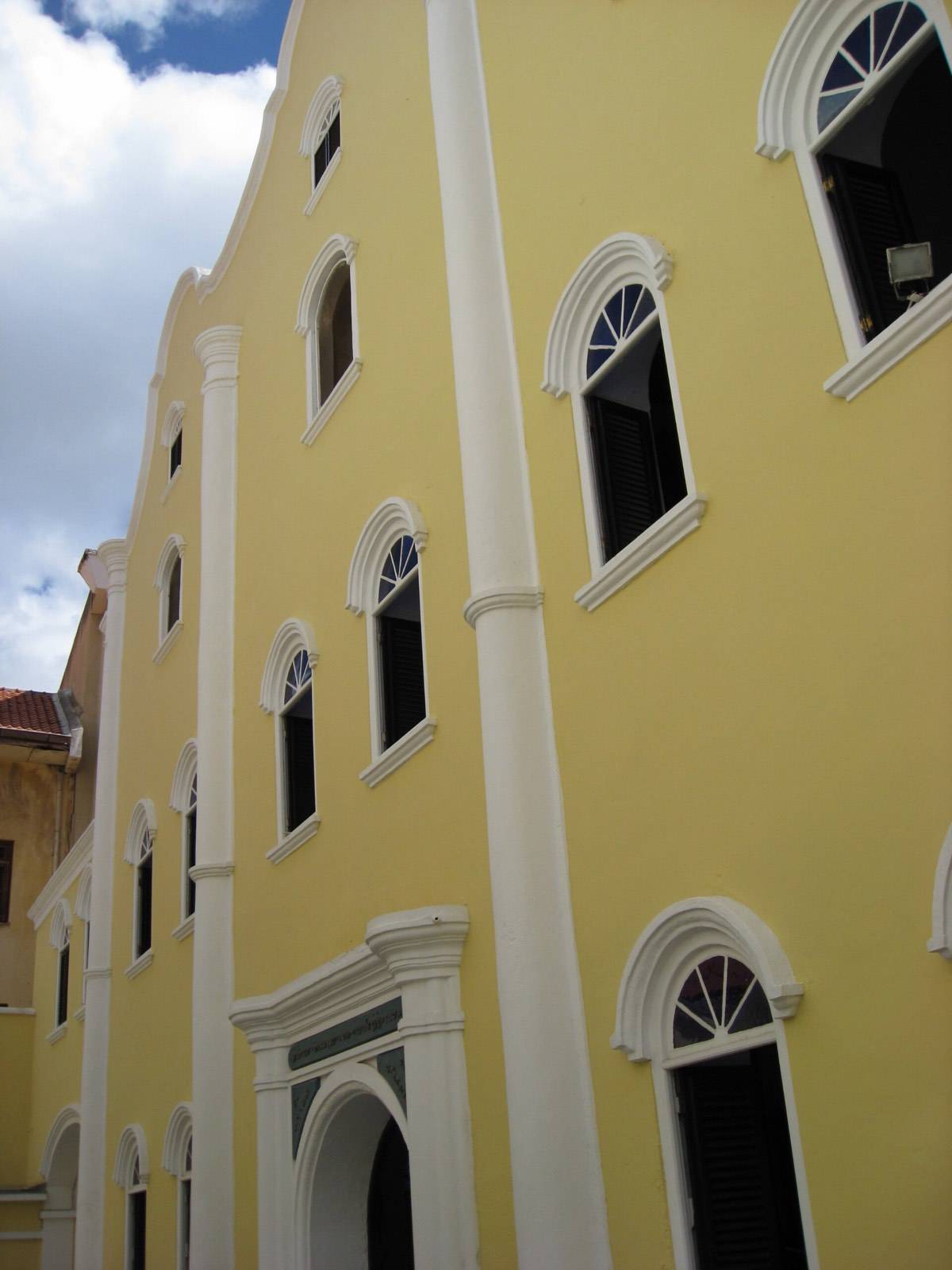
A guide to Curaçao culture: Papiamentu, the sand-floor synagogue, the landhuizen and the memory of Tula…
Where to eat in Willemstad: the city, scene by scene
Where to eat in Willemstad, scene by scene: Plasa Bieu lunch plates, the Pietermaai dinner row, Punda cafes…
A restored 1892 monument, steps from everything in this guide.
Eighteen boutique rooms across five categories on Breedestraat, Punda. Signature balconies over the main street, and the Van Gogh café pouring espresso downstairs. Reserve your room on Airbnb in a few taps.