
Every bar on earth stocks a bottle that borrows this island's name, and nearly none of those bottles were made here. The genuine article exists: a liqueur distilled in Willemstad from the peel of an orange that grows nowhere else, by a family firm that has been at it for well over a century. The story behind it is better than the cocktail umbrella suggests, and the place where it happens can be visited between lunch and the beach.
This guide tells that story properly: the accidental orange, the family estate that turned it into a liqueur, the marketing stroke that painted it blue, and the bottles worth a place in your luggage.
I.The orange that failed, then became famous
Begin with a failure. Spanish settlers, who held the island before the Dutch took it in 1634, planted Valencia orange seedlings expecting the sweet fruit of home. Curaçao's arid soil and relentless sun had other plans. The trees survived, but the fruit turned small, green, and far too bitter to eat, and the groves were abandoned to the climate.
The tree adapted into something the planters never intended: the laraha, a bitter orange whose flesh remains stubbornly inedible but whose peel, dried in the sun, concentrates an aromatic oil of remarkable fragrance. Generations later, islanders worked out what the failed orange was actually for. Steeped and distilled, the dried peel yields the clean, complex orange essence that became Curaçao liqueur, the spirit that carried the island's name into every cocktail book ever printed.
II.Landhuis Chobolobo: the home of the genuine article
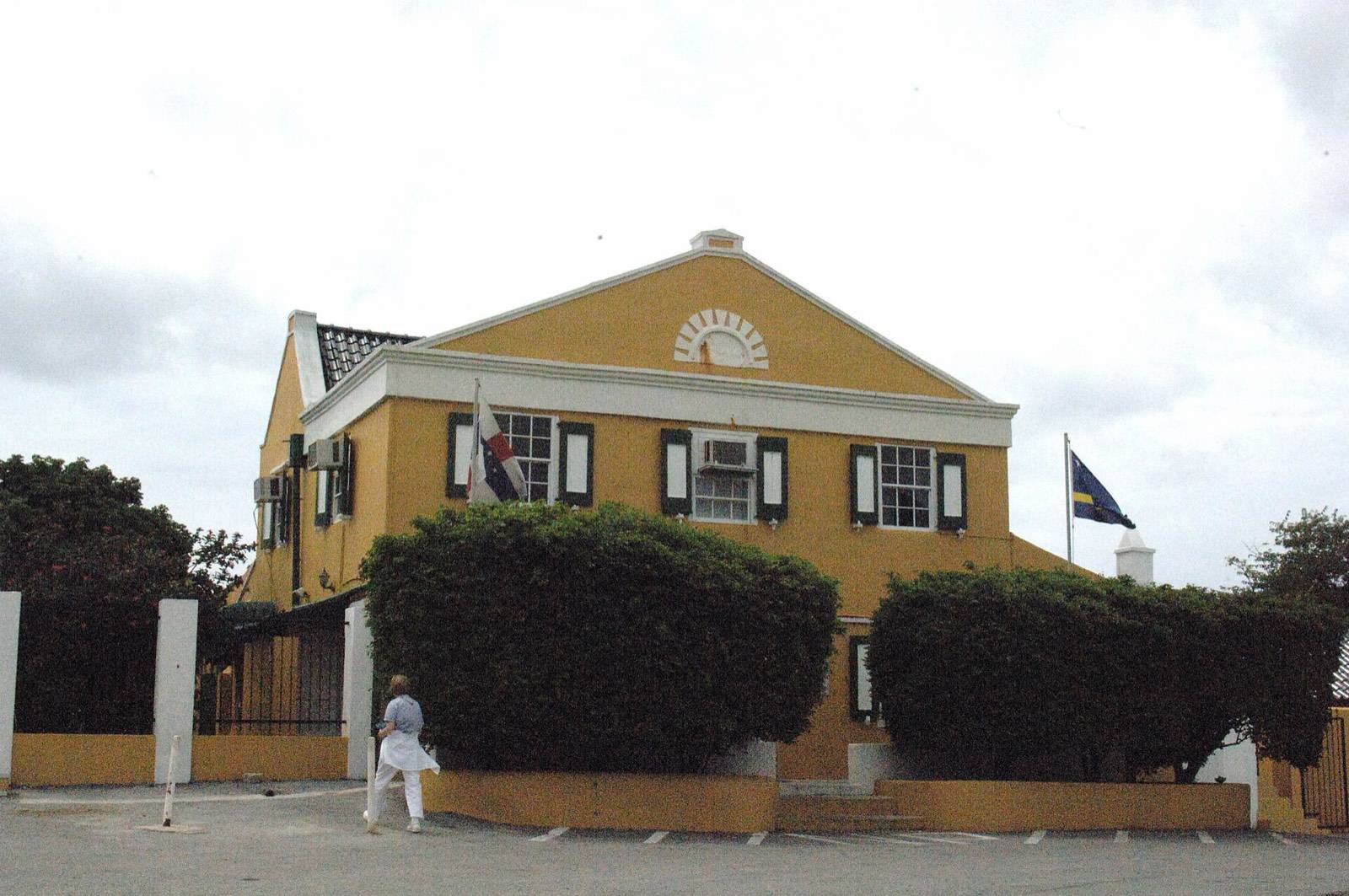
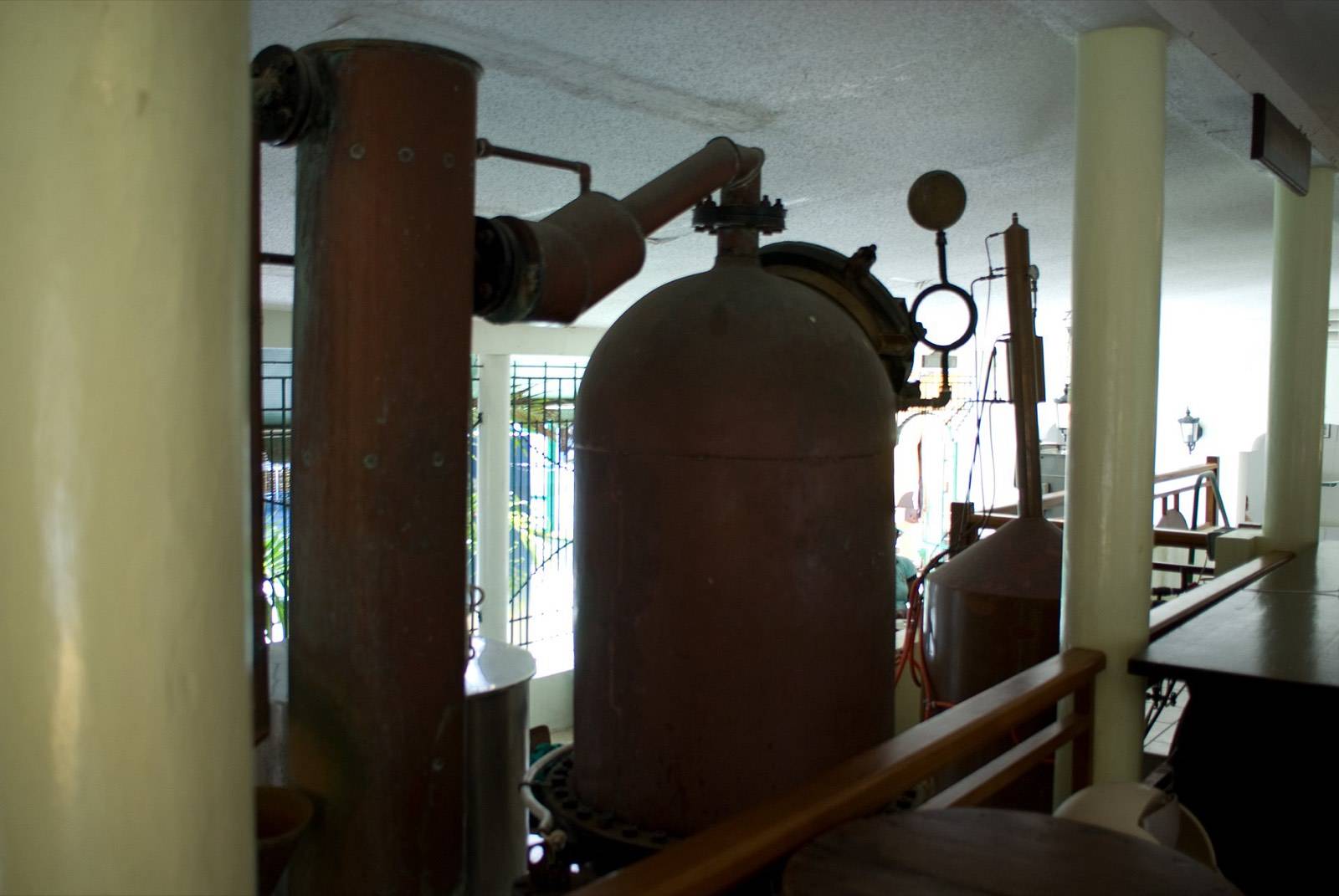
On the eastern edge of Willemstad stands Landhuis Chobolobo, an ochre country estate where the Senior family has distilled the genuine Curaçao liqueur for well over a century. The operation remains small and obstinately traditional: laraha peel, dried and steeped, a copper still treated like a member of staff, and a recipe that has outlasted empires and cocktail fashions alike. The phrase to look for on a label is the genuine one, distilled here from the laraha; everything else in the world's bars is interpretation.
The estate itself is part of the pleasure: a classic landhuis, one of the country houses that dot the island, with thick walls built against the heat and a courtyard that smells faintly of citrus oil. Production has never chased volume. The point was never to supply every bar on the planet; it was to keep faith with the fruit, the method, and the name.
III.So why is it blue?
Here is the part that surprises people: the orange peel gives flavor and perfume, not color. The liqueur comes off the still clear. The blue is added, nothing more mysterious than coloring, chosen because it made drinks look like nowhere else on earth and echoed the sea that surrounds the island. It worked so well that the world now assumes blue is the point.
It is not. The same liqueur is bottled in several hues, clear, orange, red, green, and the famous blue, and they taste, to an honest palate, the same. The color is theater. The laraha is the play.
The orange gives the flavor. The sea gave the color. Only one of them ends up in the glass by way of the still.
It also explains the chaos abroad. The word curaçao was never locked away as a protected term, so any distiller anywhere may dye an orange liqueur blue and borrow it. Some of those bottles are honorable, many are sugar in costume, and none of them grew up with the laraha.
IV.One liqueur, several colors
| Hue | What it is | Where it shines |
|---|---|---|
| Blue | The icon, colored for the glass | Tropical cocktails and photographs |
| Clear | The liqueur as it leaves the still | Sipping neat, mixing without changing a drink's color |
| Orange | The traditionalist's bottle | Stirred classics and citrus cocktails |
| Red and green | The same spirit in carnival dress | Festive drinks and dessert pours |
V.How to drink it on the island
Start simple. The clear liqueur over ice with a squeeze of lime, or lengthened with tonic, lets the laraha speak plainly and converts more skeptics than any cocktail. Then allow yourself the postcard: a Blue Margarita or a Blue Lagoon at a waterfront table at golden hour is part of the island's liturgy, and refusing it on principle is its own kind of tourism. Bartenders across Willemstad's dinner and drink scenes treat the local bottle with house pride, and a small glass after dinner sits closer to a digestif than a novelty.
Worth ordering at least once: the Blue Margarita, where the liqueur stands in for triple sec and the color does the rest; the Blue Lagoon, vodka and lemon in beach uniform; and the quieter classics, a sidecar or a mai tai, where an orange curaçao does the work the original recipes always intended.
VI.Bottles to bring home
A bottle of the genuine liqueur is the island's best-traveling souvenir: stable, distinctive, storied, and impossible to mistake for duty-free anonymity once you know the label. Choose the clear or orange if you drink for flavor, the blue if you pour for guests, or a set of miniatures if your suitcase is already negotiating. The shopping lanes of Punda stock the full range alongside the other take-homes ranked in our Punda shopping guide, and the distillery's own shop rewards the trip if you visit.
Souvenir shelves also carry lookalikes bottled far from the island, so read the label before the color seduces you. Then pack full bottles in checked luggage, padded by beach towels that have already done their duty.
VII.Visiting the distillery
Chobolobo sits a short taxi ride from the historic center, an easy pairing with a morning in Punda or the drive back from the eastern beaches. Tours and tastings run most days, walking visitors past the steeping vats and the copper still and ending, properly, in a glass; formats and hours change with the season, so confirm locally or let our concierge arrange it from the front desk. Allow about an hour, and go before lunch if you want the tasting to count as an aperitif rather than a confession.
However you take it home, in a bottle, a cocktail, or a story told at your own bar, you will be carrying the island's favorite parable: the orange that failed at being sweet and succeeded, spectacularly, at being itself. The rest of the island's flavors are waiting in our Curaçao food guide.
Questions travelers ask
Straight answers from the front desk.
Is Blue Curaçao actually made in Curaçao?
Why is Blue Curaçao blue?
Can you visit the Blue Curaçao distillery?
What is a laraha orange?
What is the best Curaçao liqueur to bring home?
Keep exploring
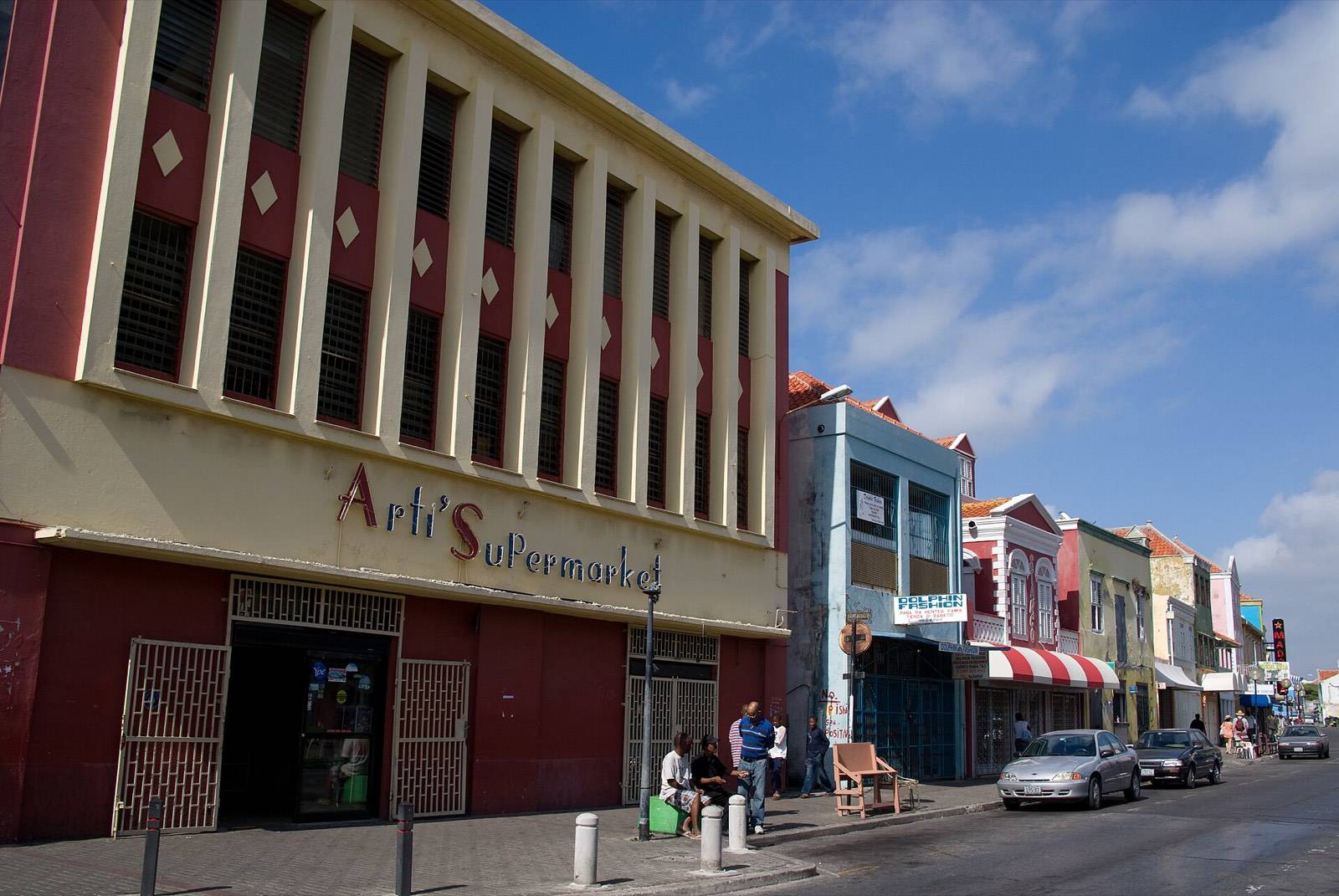
Shopping in Punda: what is actually worth carrying home
Shopping in Willemstad: a Punda guide to Chichi figures, Blue Curaçao bottles, Dutch cheese, batik and linen…
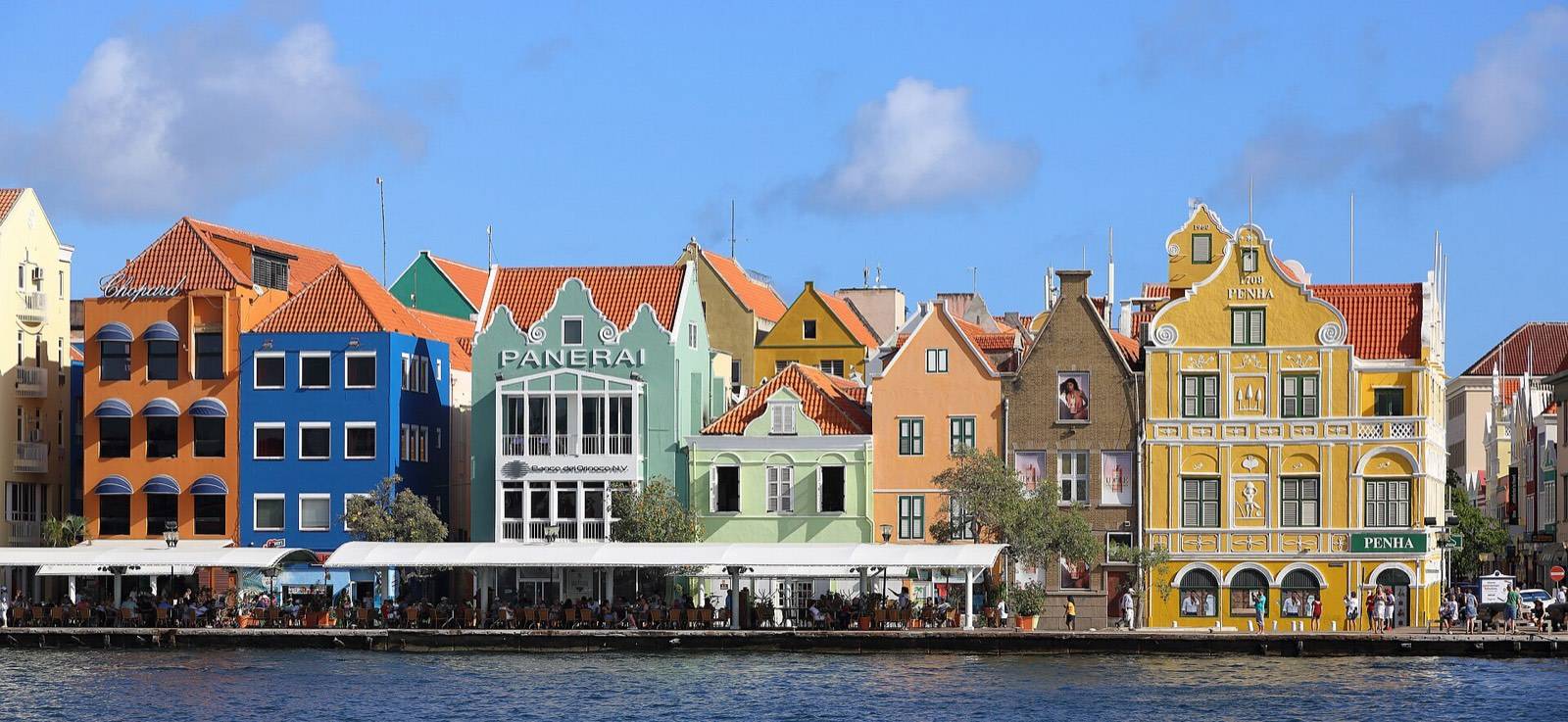
Things to do in Punda: the painted heart of Willemstad
The best things to do in Punda, Willemstad: the Handelskade at first light, a sand-floored synagogue, the…
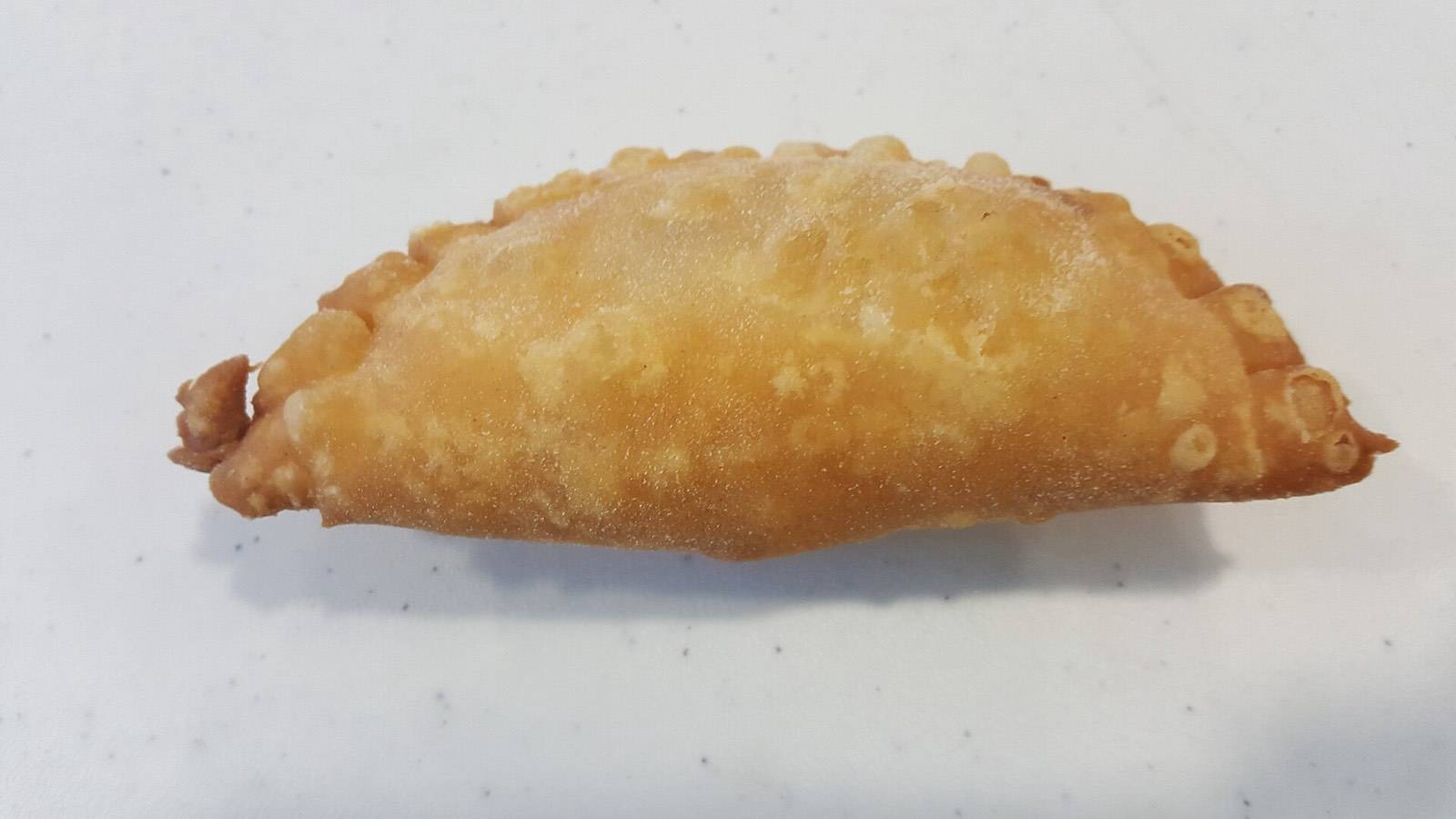
Curaçao food: the dishes that explain the island
Curaçao food explained: keshi yena, pastechi, funchi, stoba, the daily catch, and batidos, plus the…
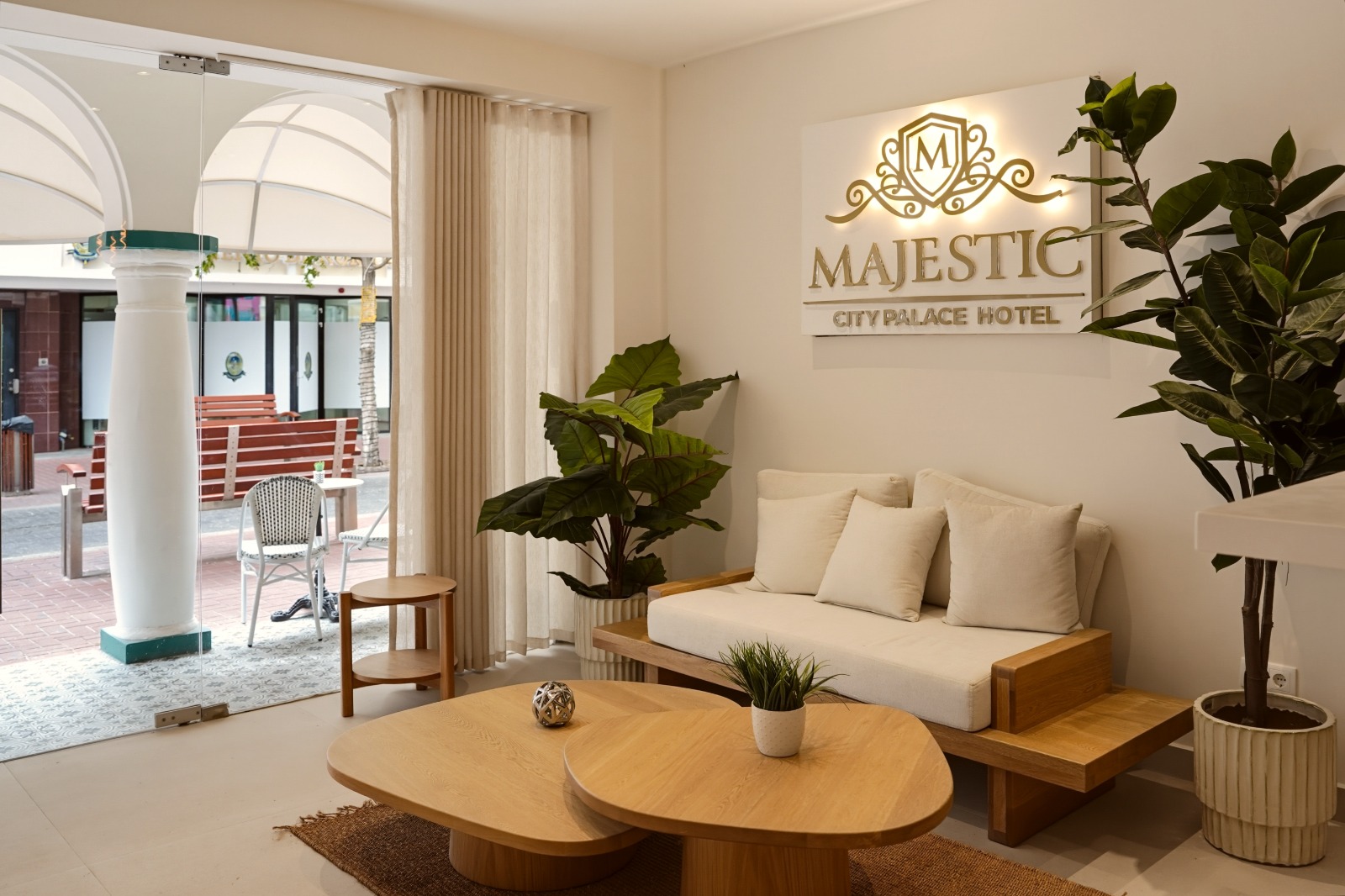
A restored 1892 monument, steps from everything in this guide.
Eighteen boutique rooms across five categories on Breedestraat, Punda. Signature balconies over the main street, and the Van Gogh café pouring espresso downstairs. Reserve your room on Airbnb in a few taps.