
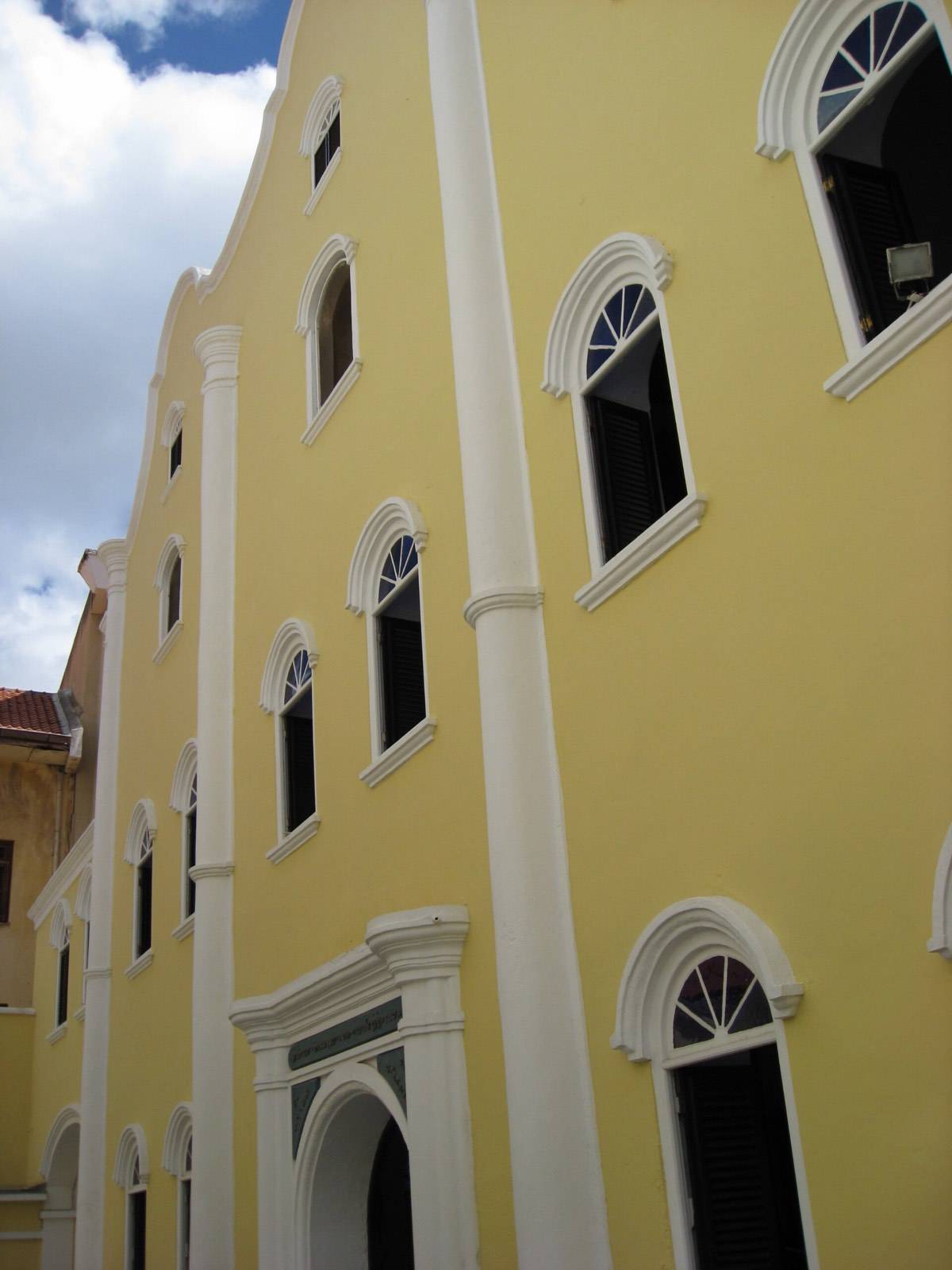
Stand on the Queen Emma Bridge at dusk and listen. Papiamentu jokes traded across a doorway, Dutch on a business call, Spanish radio from a passing car, English from the cruise crowd, and underneath it all a drum line rehearsing somewhere in Otrobanda. Curaçao's culture is not a performance staged for visitors. It is a working identity, layered over centuries of arrival, some of it chosen and some of it forced, and the island expects you to meet it with curiosity rather than a checklist.
This guide walks the layers in turn: the language, the faiths, the houses and their hard history, the music, and the manners that make a visitor welcome.
I.Papiamentu: the sound of home
The island's heart speaks Papiamentu, a creole language braided from Portuguese, Spanish, Dutch, and West African languages, with traces of English and indigenous Arawak words woven through. Born in the colonial centuries as a language between peoples, it became the language of home, and today it is official: sung, printed, taught, and argued in. Dutch remains the language of law and schooling, while English and Spanish are spoken nearly everywhere a visitor will go. Street names, song lyrics, and the nicknames of beaches all make more sense once you accept that the island thinks in Papiamentu even when it answers you in English.
You need only four words, used sincerely. Bon biní means welcome, and you will hear it before you ever say it. Dushi means sweet or lovely and is applied to food, people, and life itself. Masha danki is thank you. And Kòrsou is the island's own name for itself. The deeper story lives in our guide to what language is spoken in Curaçao.
II.Sand floors and long memory: Mikvé Israel-Emanuel
In the lanes of Punda stands the Mikvé Israel-Emanuel synagogue, its building consecrated in 1732, the oldest synagogue in continuous use in the Americas. Its congregation descends from Sephardic Jewish families who came to the island in the city's early generations and helped build its commerce, its architecture, and its table.
Step inside and the first thing you notice is underfoot: the floor is sand. The traditions explaining it run side by side, sand as the desert of the Exodus, and sand as the muffler of footsteps, remembered from the years when ancestors in Spain and Portugal had to pray in secret. Either way, the room holds a quiet that visitors of every faith tend to lower their voices for, and it is one of the most moving half hours in the city.
III.The landhuizen and the memory of Tula
Drive beyond Willemstad and you will see them on the hills: landhuizen, the plantation houses of the colonial centuries, painted ochre and rust against the dry green. They are beautiful, and they are not innocent. These estates ran on the labor of enslaved Africans, and the island does not ask its visitors to forget that in exchange for a photograph.
In 1795, an enslaved man named Tula led an uprising that began at the Kenepa plantation in the island's west and spread across the countryside. The revolt was put down with brutality, and Tula was executed, but the island long ago decided who the hero of that story was. He is honored today as a father of the island's freedom, and the memory of 1795 sits close to the surface of public life, in monuments, in classrooms, and in song.
Visit a landhuis, walk the museum quarter of Otrobanda, and take the history straight: it is offered with dignity and deserves the same in return. Several landhuizen now hold museums, galleries, and restaurants, a reuse the island regards as continuity rather than contradiction, and sleeping inside restored heritage is its own quiet education, as our guide to historic hotels in Curaçao explains.
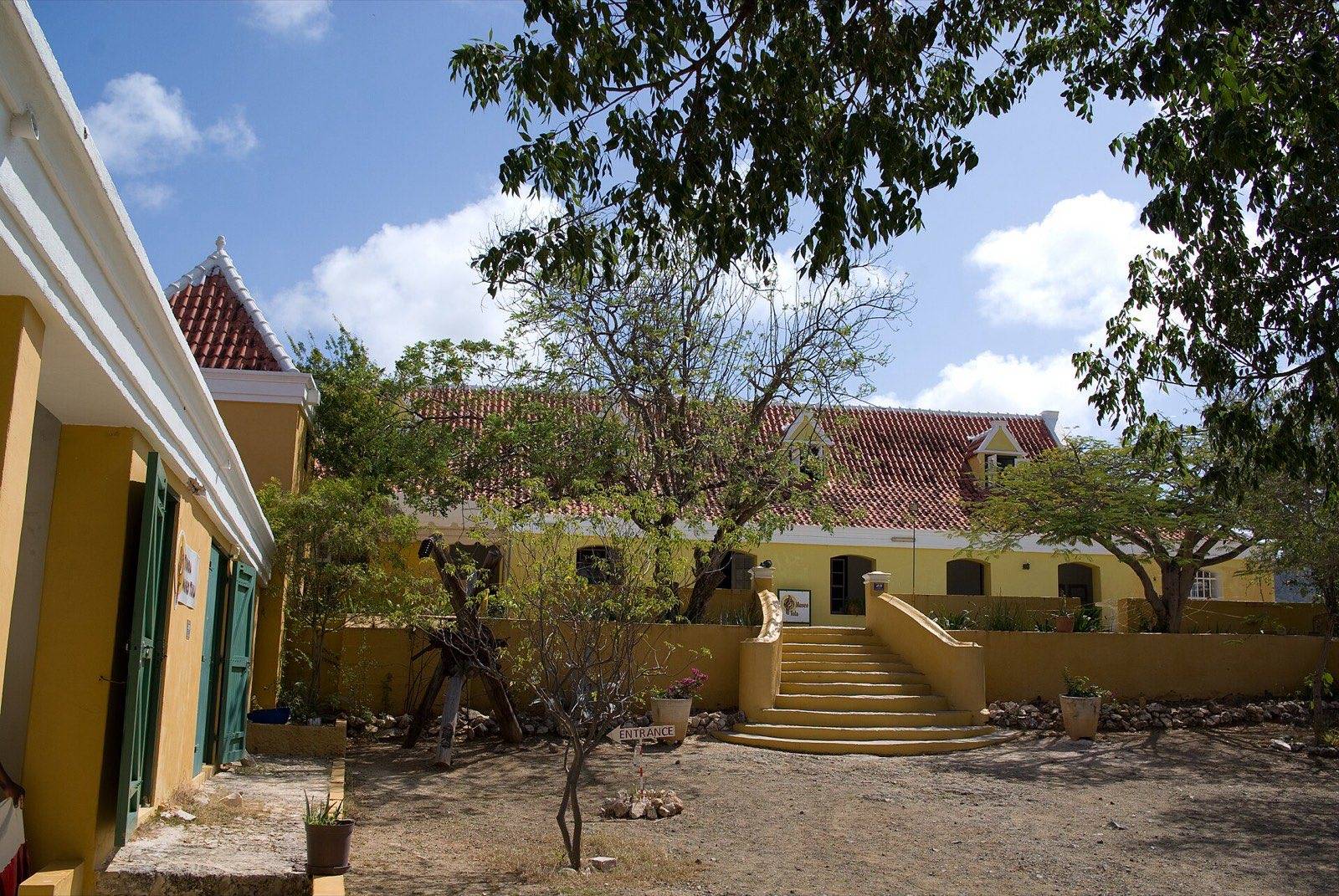
The facades are pastel, the history is not. Curaçao asks you to hold both at once, which is what makes it a country rather than a backdrop.
IV.Tumba and tambú: rhythm as record
The island's music carries its memory. Tambú is the older voice: a drum, a call and its answer, and a circle of people, carried from Africa and kept alive by enslaved communities through long years when colonial authorities restricted and suppressed it. It survived as both music and testimony, and hearing it played live, most often around the year-end season, is a privilege to treat accordingly.
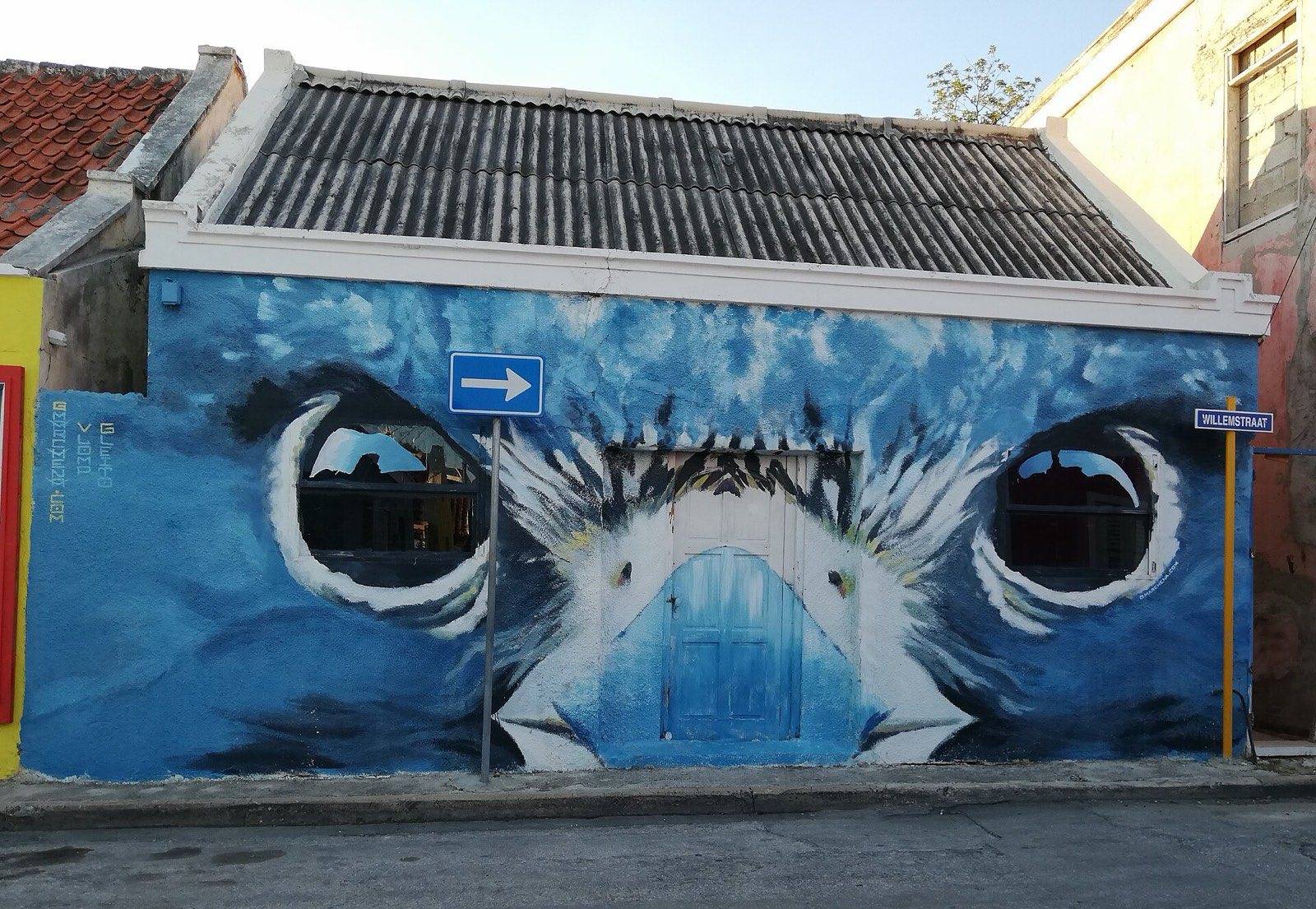
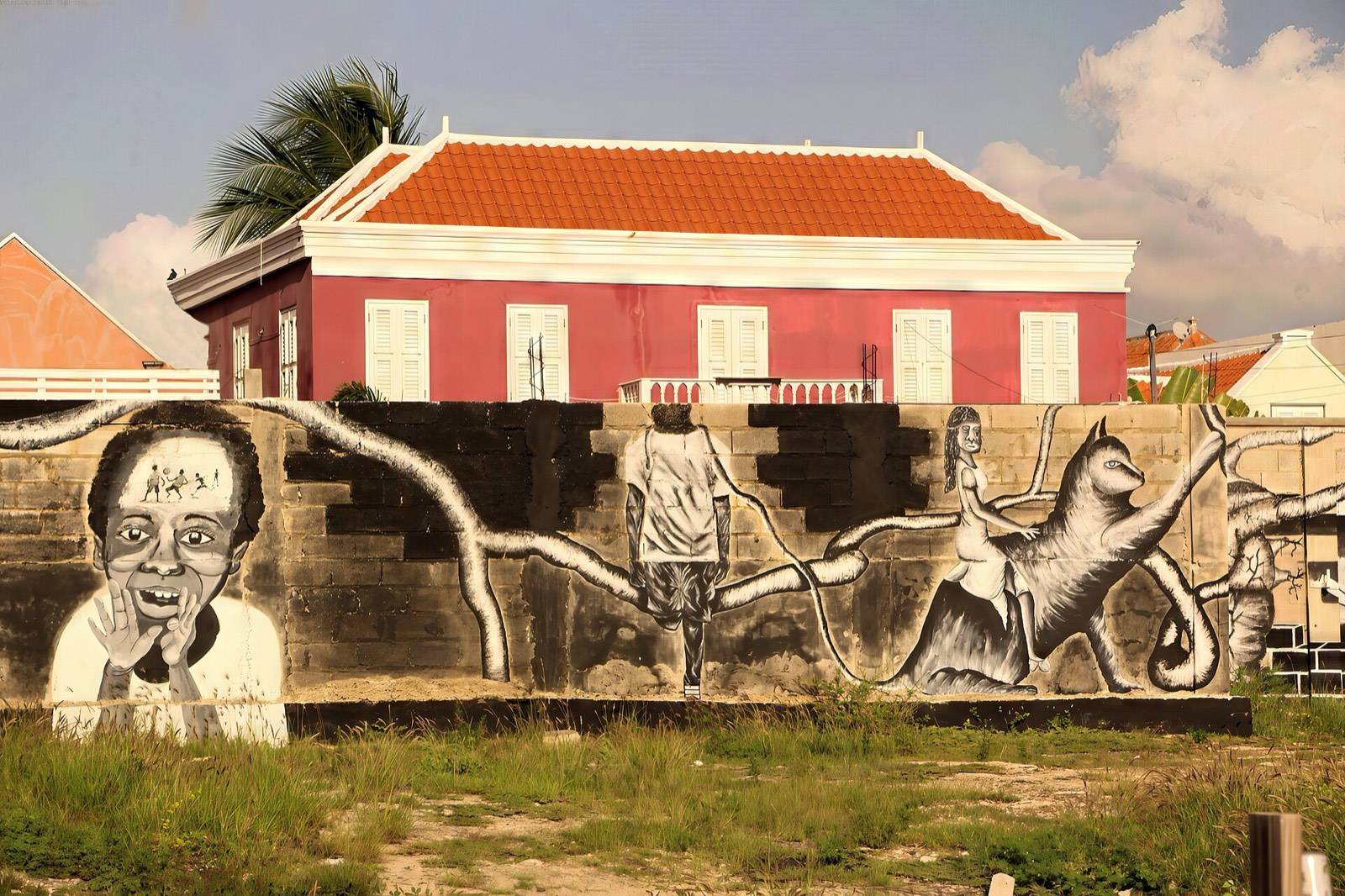
Tumba is the celebratory descendant, the brass-driven, hip-led genre that rules Carnival season, when the island crowns the song that will carry its parades. Between the two runs the whole emotional range of Kòrsou: grief remembered and joy insisted upon. The same identity gets painted instead of played on the walls of the street art districts, where murals carry Papiamentu phrases and portraits of local heroes.
V.The Carnival spirit
Carnival is the island's identity at full volume: weeks of music building from January into Lent, then parade days of costume, brass, and generosity of spirit. It is family culture rather than spring break; children parade, grandmothers judge, and visitors are welcomed warmly as long as they remember they are guests at someone else's family party. In the weeks before the parades, rehearsals spill onto neighborhood streets, and catching one by accident is one of the city's best free evenings. The full festive year, with King's Day and the rest, is mapped in our festivals and events guide.
VI.How to be a good guest
Curaçao's etiquette is simple, warm, and slightly formal in the old Caribbean way. The greeting comes first, always: a good morning before any question, a nod to the room when you enter a small shop. Beachwear belongs at the beach; in town, light and casual is fine, but cover up away from the sand. Sundays run quiet, especially outside the tourist core, and the volume of the whole island drops with them. Ask before photographing people, including market vendors and musicians. Language choice is part of courtesy too: English works everywhere, but leading with a Papiamentu greeting, however mangled, is received as the compliment it is.
| Moment | The local way |
|---|---|
| Entering a shop or cafe | Greet first, business second |
| Dress in town | Light and casual; beachwear stays at the beach |
| Sundays | Expect quiet; plan beaches or slow walks |
| Photographing people | Ask first, accept no gracefully |
| Saying thanks | Masha danki, said often |
Guests at our restored 1892 monument in Punda often tell us that the culture, more than the beaches, is what brings them back. Give it your attention, your greetings, and your unhurried evenings, and the island will treat you less like a visitor and more like a returning friend.
Questions travelers ask
Straight answers from the front desk.
Why does the synagogue in Curaçao have a sand floor?
Who was Tula?
What language is spoken in Curaçao?
What music is Curaçao known for?
What should visitors not do in Curaçao?
Keep exploring
What language is spoken in Curaçao? All four of them
What language is spoken in Curaçao? Papiamentu, Dutch, English and Spanish all thrive here. The story of a…
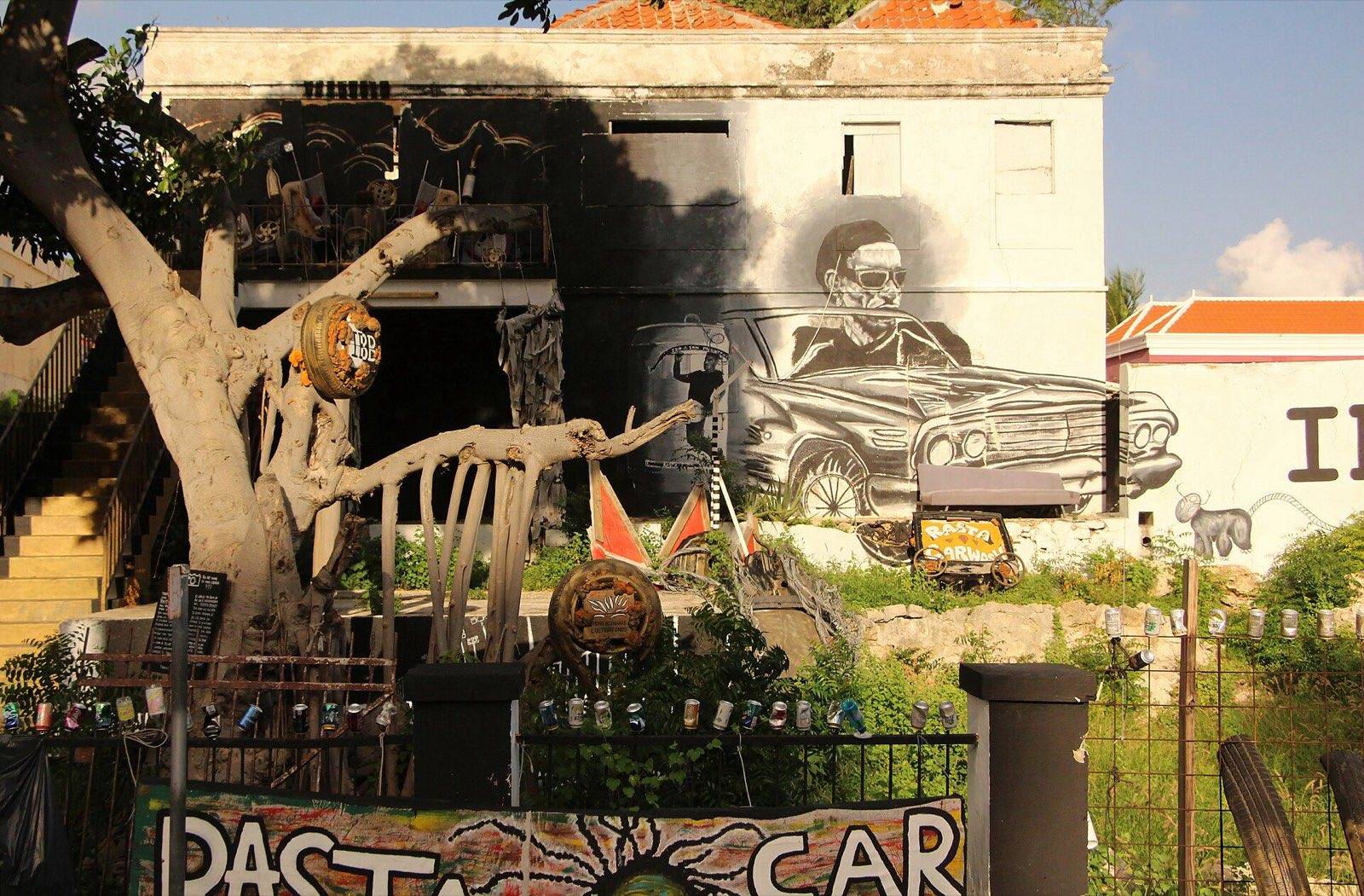
Street art in Willemstad: the murals of Otrobanda and Scharloo
Where to find Willemstad street art: the alleys of Otrobanda and the mural blocks of Scharloo Abou, the…
Curaçao festivals and events: the island year, season by season
Curaçao festivals by season: Carnival from January into Lent, King's Day in late April, summer music…
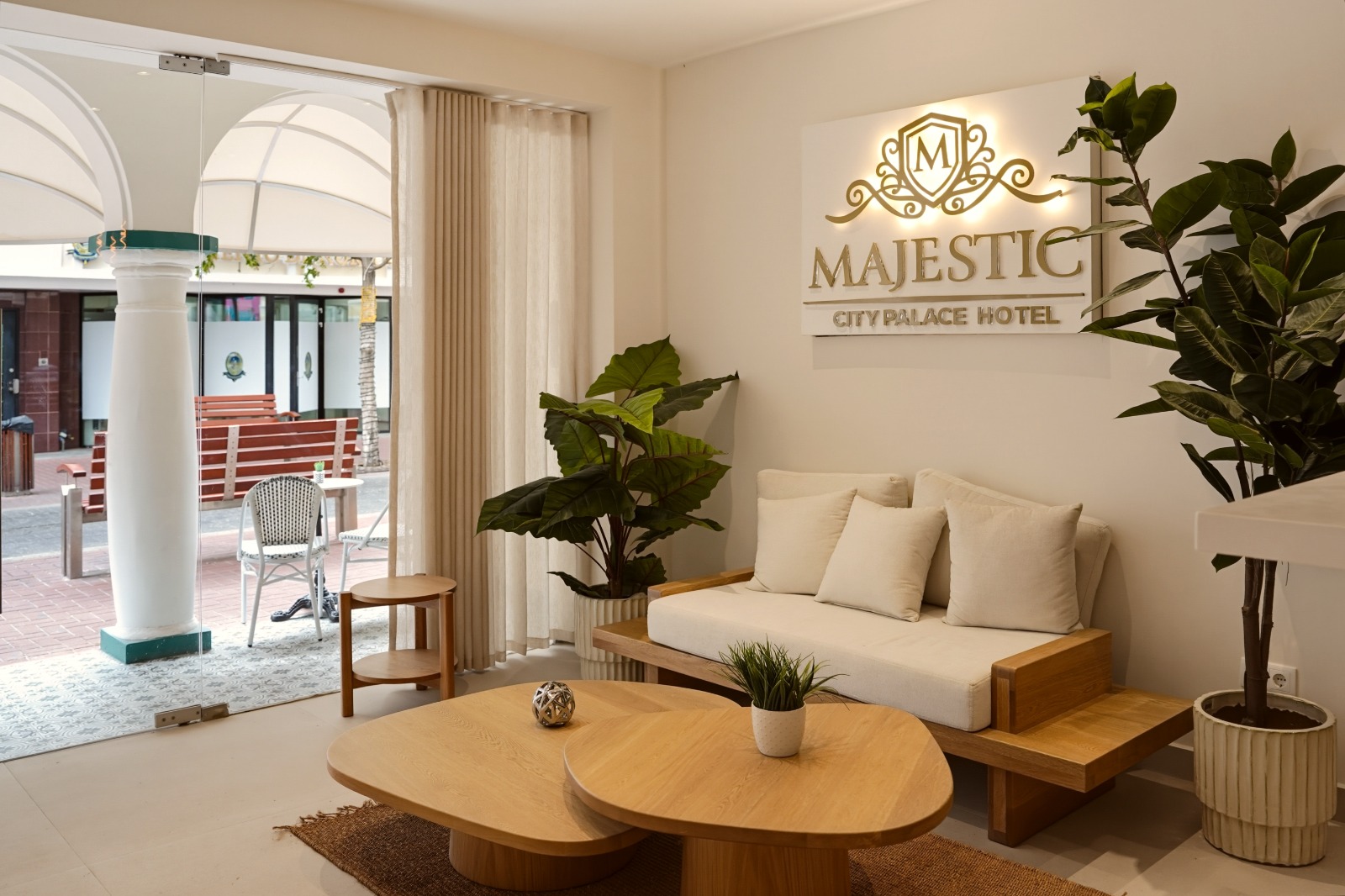
A restored 1892 monument, steps from everything in this guide.
Eighteen boutique rooms across five categories on Breedestraat, Punda. Signature balconies over the main street, and the Van Gogh café pouring espresso downstairs. Reserve your room on Airbnb in a few taps.