
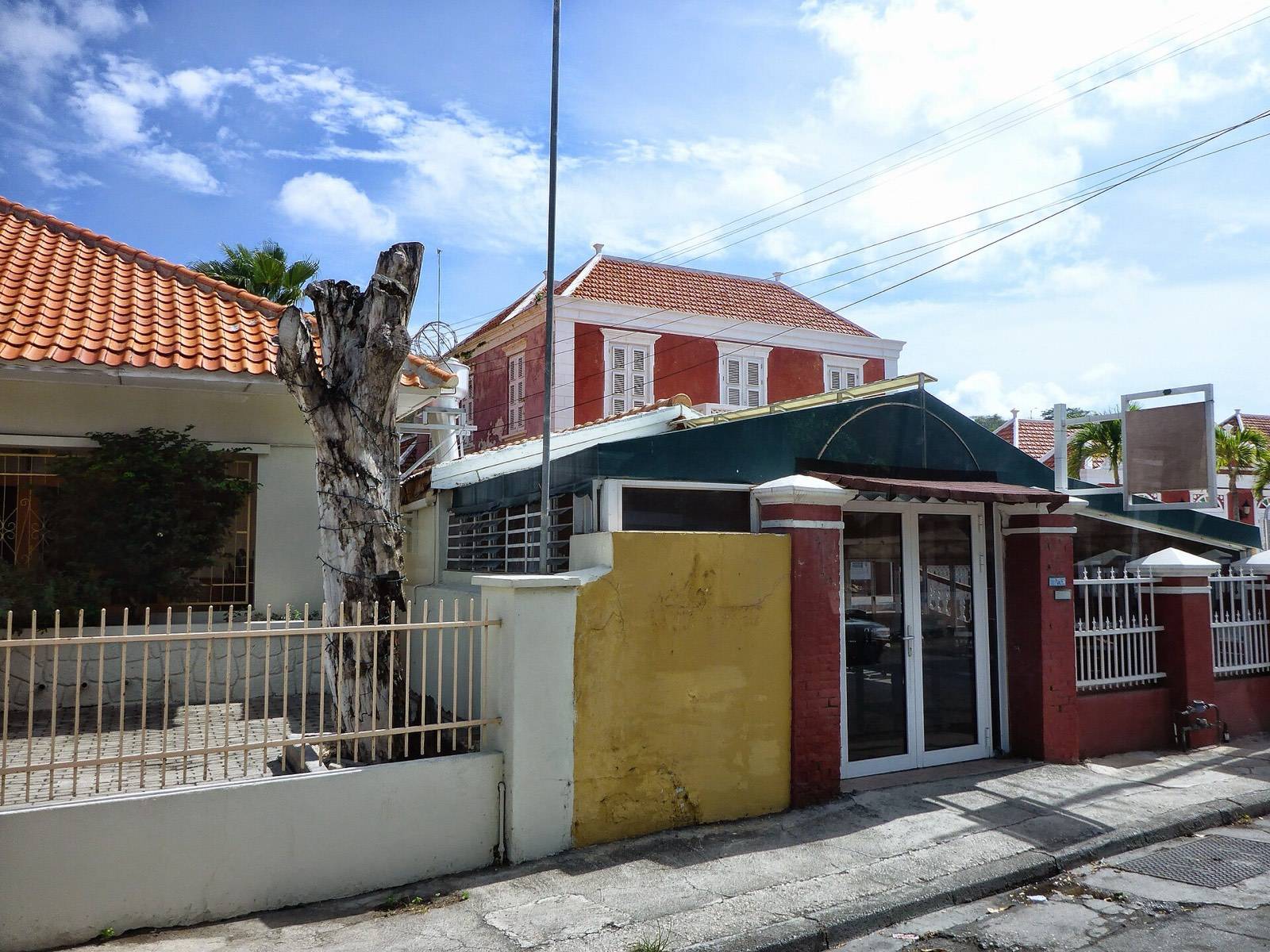
There are islands where the boutique hotel is the charming alternative to the real hotels. Curaçao is not one of them. Here, in a capital whose entire historic center is a UNESCO World Heritage Site, the small hotel is the native form: the shape hospitality takes when the buildings are protected monuments and the streets were drawn centuries before the automobile.
This guide explains why small suits this island so well, where the boutique houses cluster, and exactly what to look for when you choose one, with a single worked example at the end so the checklist is not abstract.
I.Why this island builds small
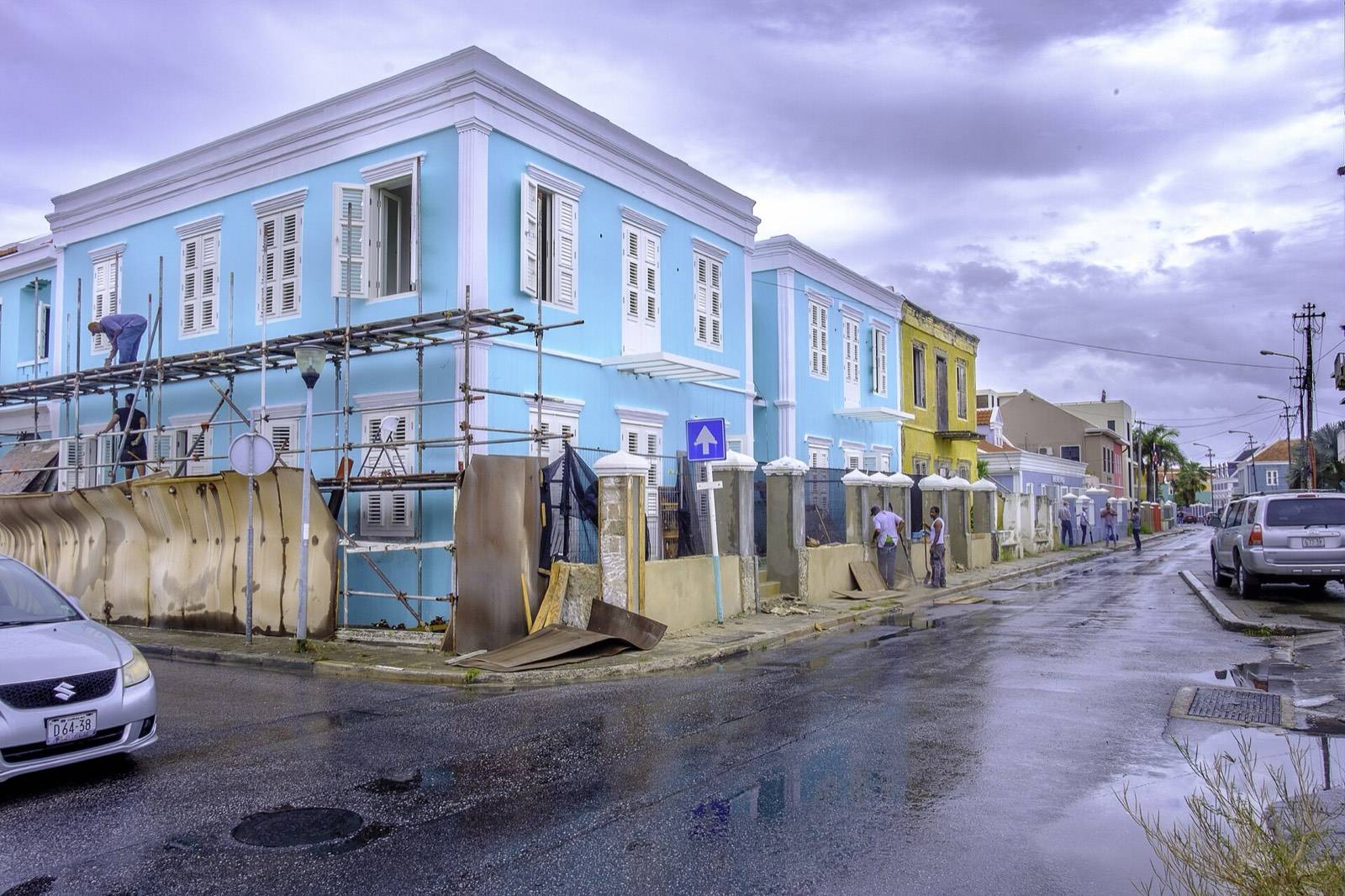
Willemstad's historic quarters, inscribed by UNESCO in 1997, are made of townhouses, merchant mansions, warehouses, and fort walls, nearly all of them protected. Restoration rules preserve their proportions, their facades, and their roof lines, which means the hotels inside them hold a dozen rooms, or twenty, or thirty at the outside. What is a marketing label elsewhere is a structural fact here.
A monument cannot be photocopied down a shoreline, which is why every hotel inside the old city is an original.
And originality compounds. Because no two buildings match, no two hotels match, and because no two rooms inside a converted townhouse match either, choosing a room becomes part of the trip rather than a formality. The corner room with the long shutters is nobody else's room anywhere on earth.
II.A city you walk, a coast you drive
Large resorts justify their scale by gathering everything inside the gates: the restaurants, the pools, the evening program. Willemstad inverts the logic. Here the city is the amenity. From a townhouse hotel in the historic center you walk to the harbor, the markets, the museums, and a different dinner every night, and the famous walking tour of both banks starts at your own front door. There is nothing left for a lobby mall to add.
That inversion is the quiet reason small hotels thrive here. They do not need to be the destination. They need to be a beautiful place to sleep inside the destination, and the monument quarters supply the beauty ready-made.
III.The rhythm boutique stays are built for
The island's finest sand lies on the west end, forty-five minutes from town, with the resort bays twenty minutes to the southeast. So the classic Curaçao pattern is the city-plus-beach-day: a morning drive to a cove from our ranking of the best beaches in Curaçao, an afternoon in water the color of bottled glass, and a return to the city for golden hour and dinner. A rental car for a day or two covers it, as our guide to getting around Curaçao explains.
A boutique base converts every day into two: one for the water, one for the streets. Resort guests get the first half. City guests get both.
IV.What eighteen rooms can do that four hundred cannot
Hospitality is one of the few crafts that gets worse when you scale it. At eighteen rooms, the desk knows your name, your beach plans, and the fact that you mentioned wanting to see the turtles. Morning is cooked, not held under heat lamps. The concierge is not a department but a person who lives here, who knows which cove suits today's wind and which kitchen is worth a Sunday detour.
Small houses also carry their neighborhoods with them. The owner knows the baker on the corner; the staff argue about which fish shack on the west end is the true one. That kind of knowledge cannot be printed in a binder at a group check-in desk, and it is the single biggest upgrade a small hotel offers.
V.Where the boutique houses cluster
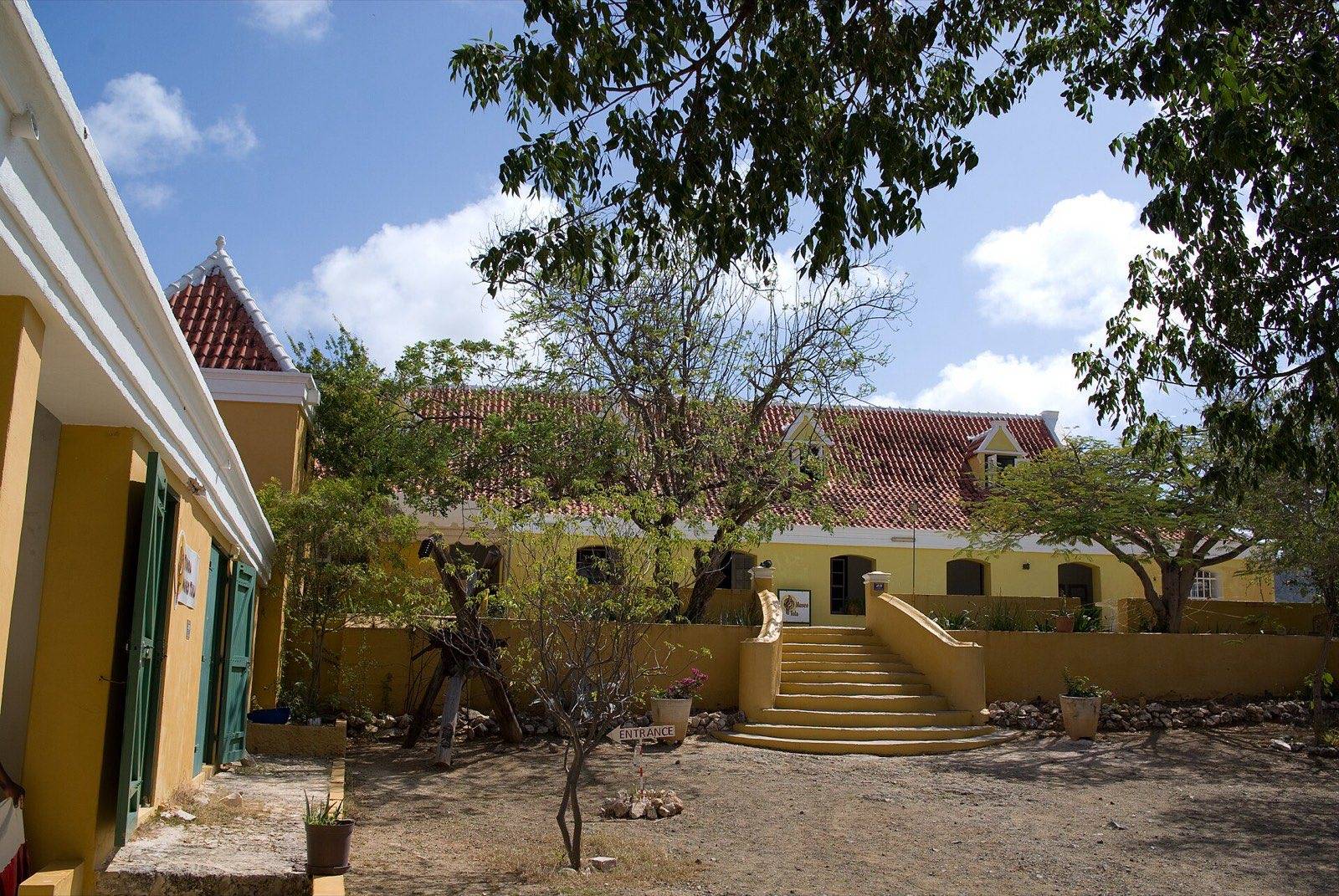
Three quarters hold most of them. Otrobanda, the lived-in west bank, where restored monuments sit among working streets; everything nearby is in our guide to things to do in Otrobanda. Pietermaai, the dinner row, where townhouse hotels stack above the island's best restaurants. And Scharloo, the quiet mansion quarter, for travelers who want silence five minutes from the center. Beyond the city, a handful of landhuis estates in the countryside take guests too, a different register of historic stay altogether.
VI.What to look for when you choose
The boutique label hides a wide range of quality. These five questions separate the genuine houses from the merely small:
- Monument status. Ask the building's year and its former life. A registered monument has been restored under supervision, and a hotel proud of its building will answer in detail before you finish asking.
- A balcony or gallery. The trade winds are the island's climate control, and outdoor space in the airflow is worth more than square footage indoors. Balcony rooms in the historic quarters come with free theater below.
- Morning culture. Cooked to order downstairs, or a voucher for somewhere else? The answer predicts how the rest of the stay is run.
- Concierge knowledge. Send one real question before booking, something specific about a beach or a restaurant. The speed and precision of the reply tells you what the desk will be worth once you arrive.
- The block itself. Ask what sits beneath your window. A bakery is good news at dawn; a music bar is bad news at midnight. In a small hotel, the street is part of the room.
VII.The checklist, worked through once
Here is the same checklist applied, once and transparently, to the building we know best. The Majestic City Palace is an 1892 monument on Breedestraat in Punda: eighteen rooms across five categories at $100 to $200 a night, Signature Balcony rooms above the street life, coffee and pastries in the cafe downstairs, and a desk that treats beach intelligence as part of the job. The rooms show how differently a monument's spaces can turn out under one roof.
We pass our own test, which is the least a hotel should manage. The point is the test itself. Carry those five questions to any address on the island, on either bank or any coast, and you will book well. The buildings here have been telling the truth for a century and a half; you only have to ask them the right things.
Questions travelers ask
Straight answers from the front desk.
What counts as a boutique hotel in Curaçao?
Are boutique hotels in Curaçao on the beach?
Why are there no big resorts in central Willemstad?
What should I ask before booking a boutique hotel in Curaçao?
How much do boutique hotels in Curaçao cost?
Keep exploring
Historic hotels in Curaçao: what it means to sleep in a monument
Historic hotels in Curaçao explained: what monument status means, landhuis versus townhouse stays, the honest…
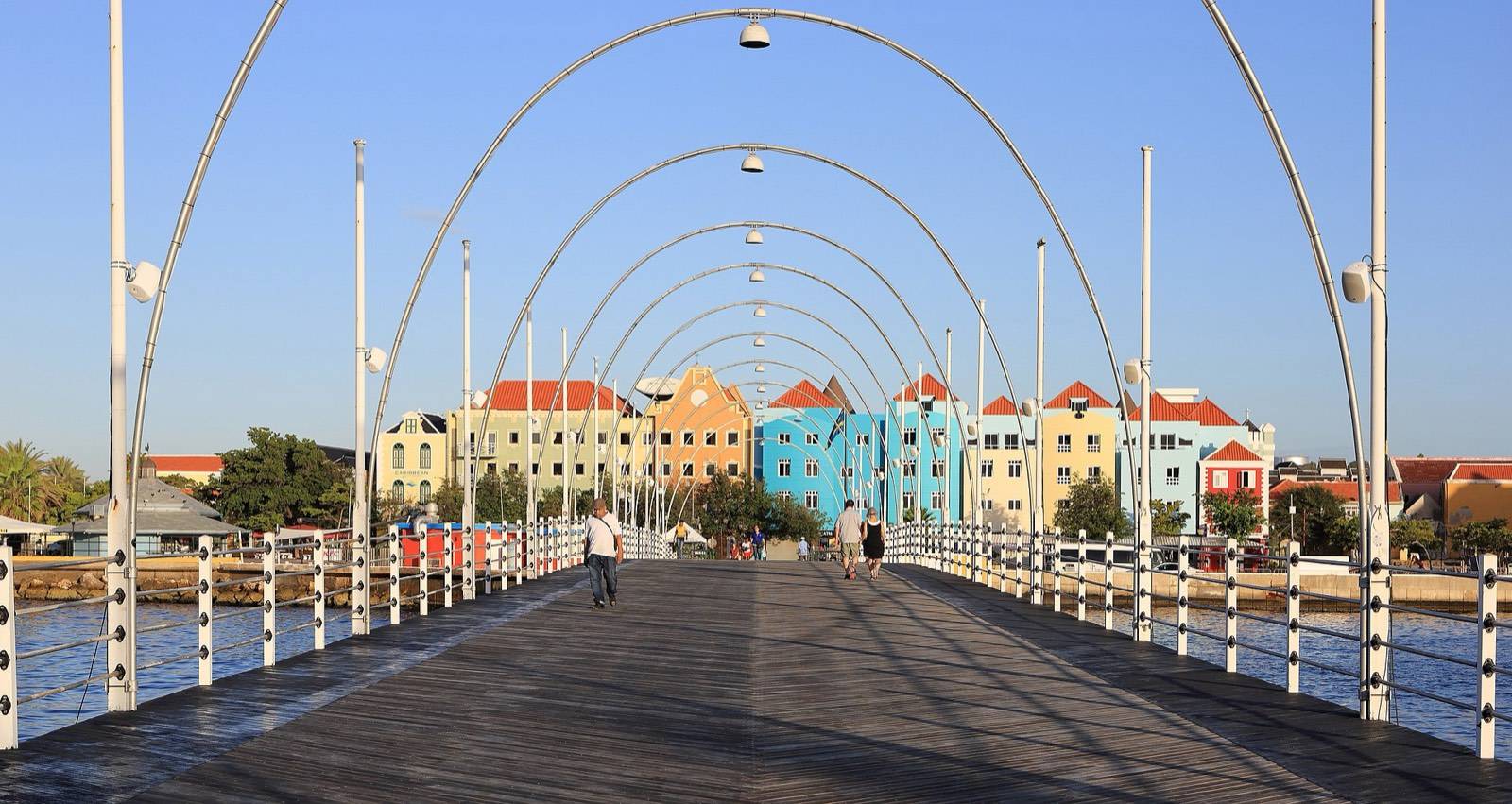
Staying in Otrobanda: the case for the other side of the bridge
Where to stay in Otrobanda, Willemstad: quieter evenings, sunrise over Punda, the Queen Emma Bridge as your…
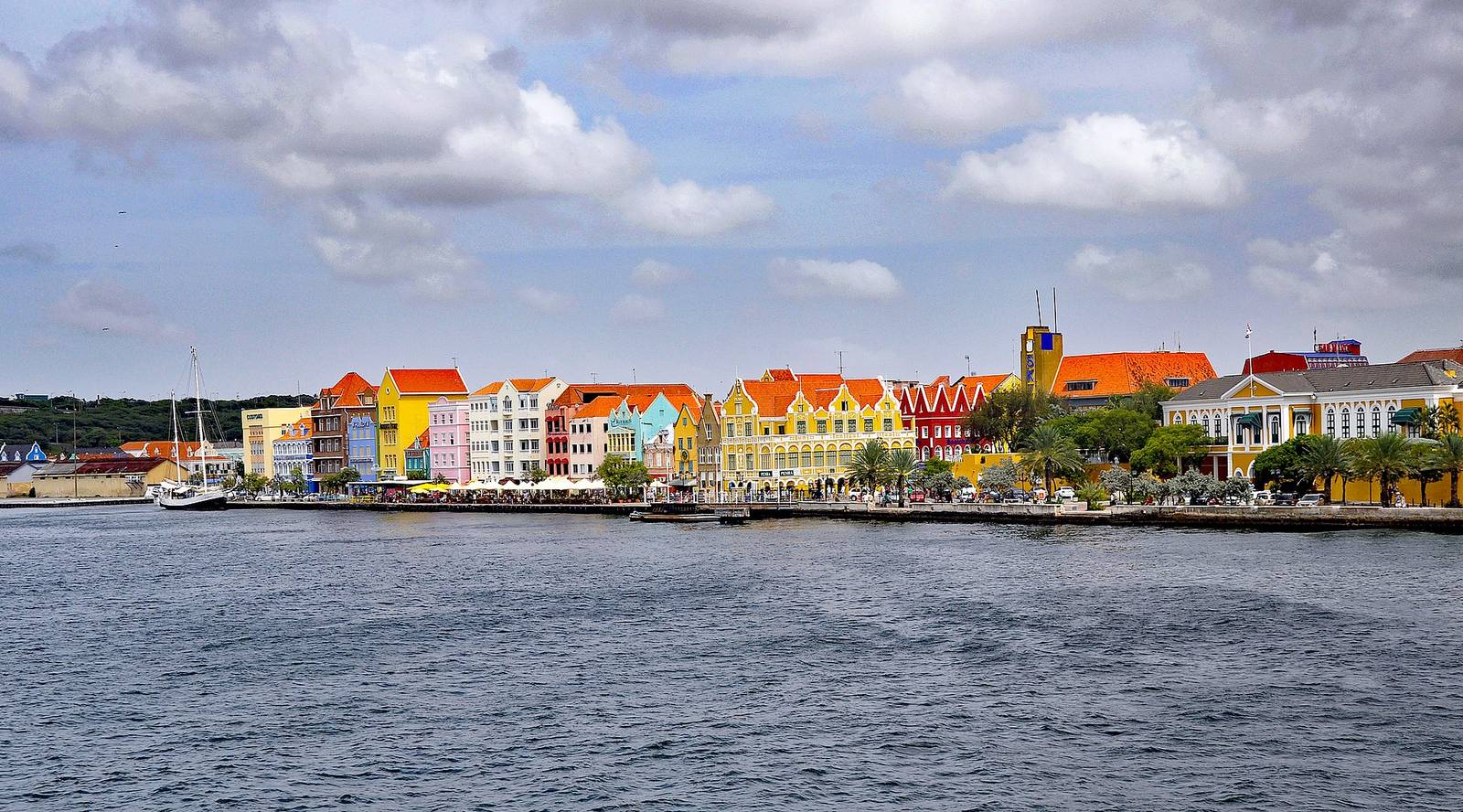
Where to stay in Curaçao: an honest neighborhood guide
Where to stay in Curaçao, honestly compared: Otrobanda, Punda, Pietermaai, Scharloo, Jan Thiel, Mambo Beach…
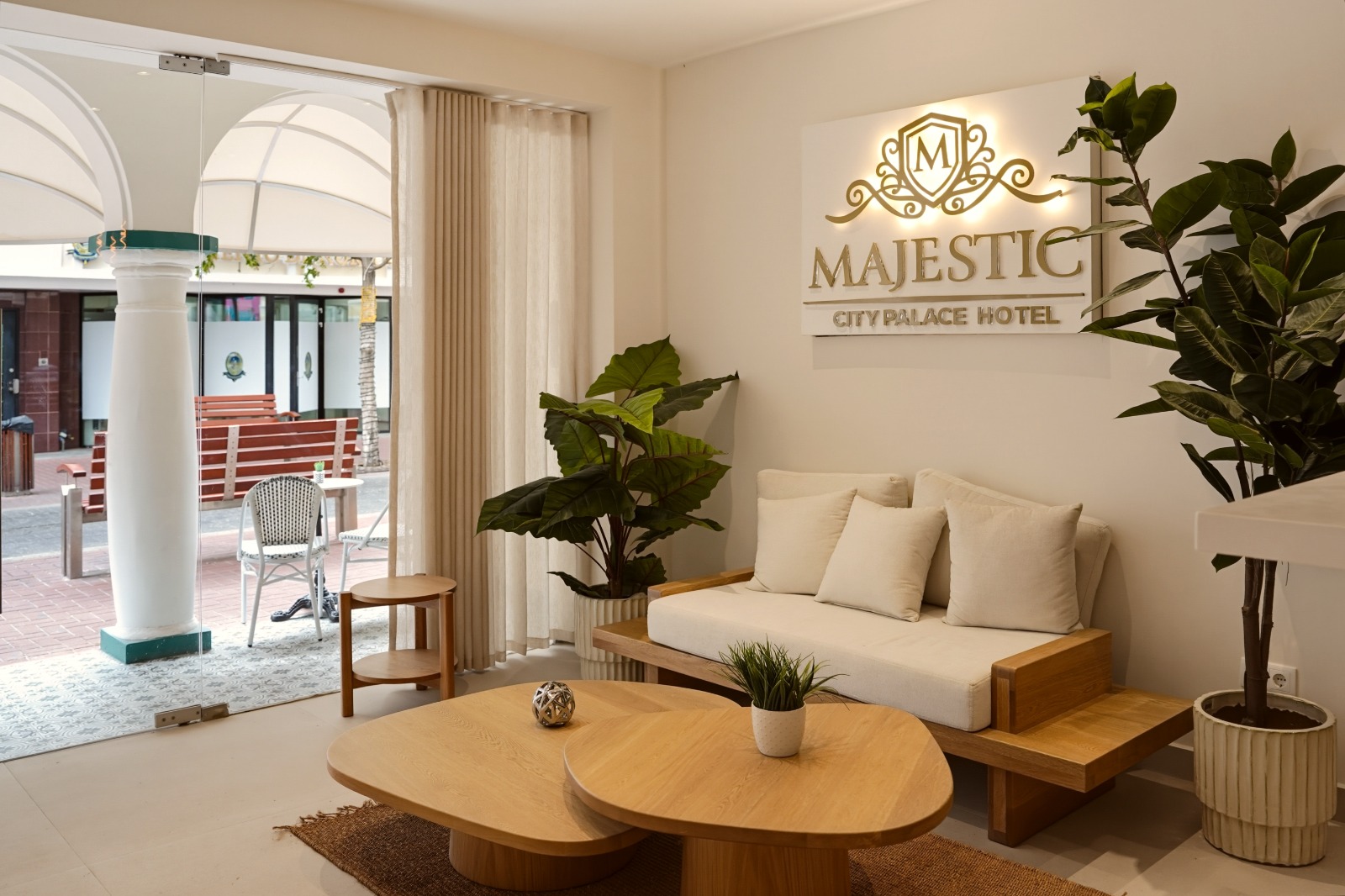
A restored 1892 monument, steps from everything in this guide.
Eighteen boutique rooms across five categories on Breedestraat, Punda. Signature balconies over the main street, and the Van Gogh café pouring espresso downstairs. Reserve your room on Airbnb in a few taps.