
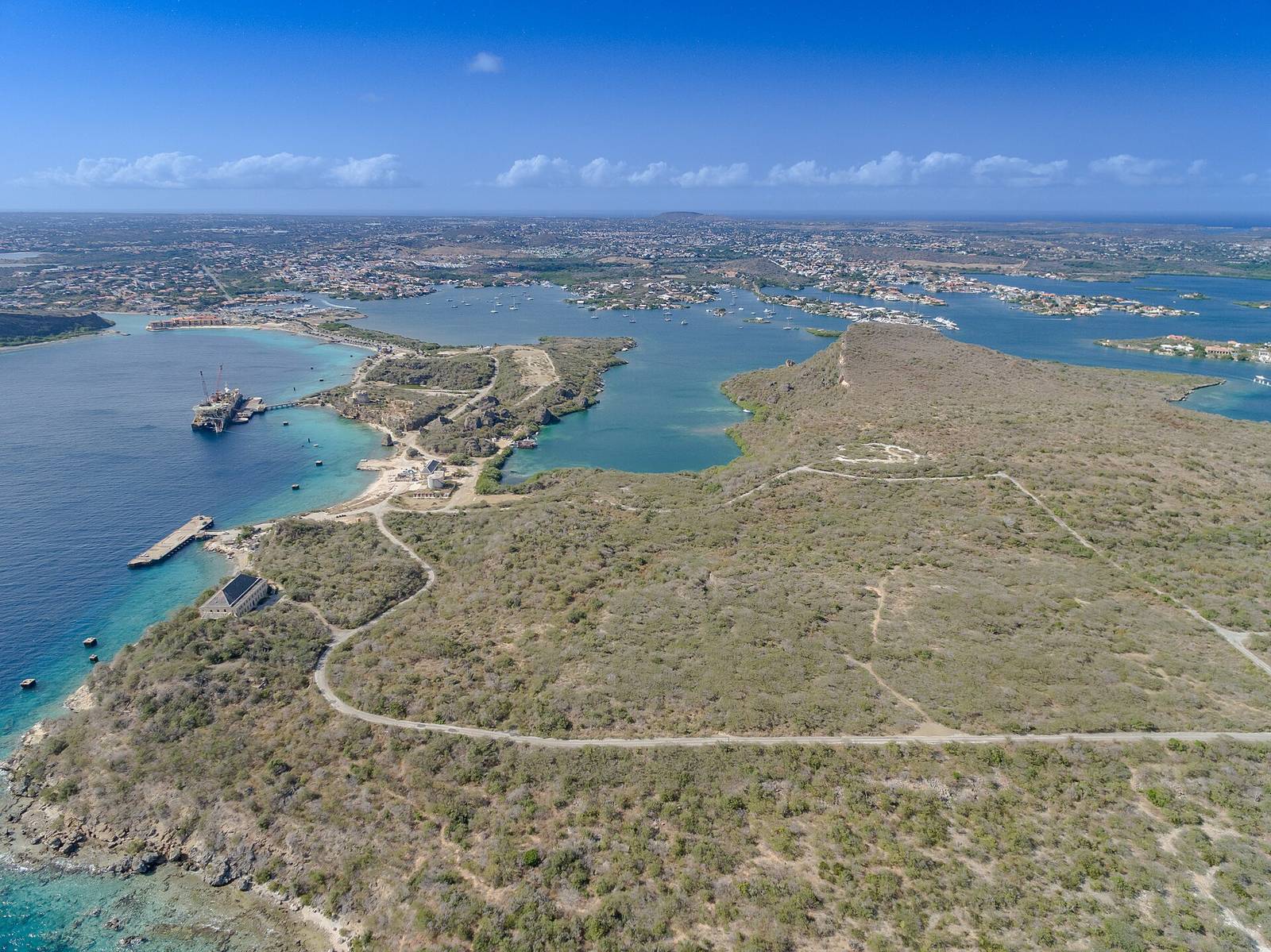
Transport questions produce more unnecessary worry than anything else we field at the desk. Travelers arrive imagining they must choose between renting a car for a week or being stranded, when the island actually runs on a simpler truth: Curaçao is two trips wearing one name. There is the city trip, which asks for nothing but comfortable shoes, and there is the island trip, which asks for a car key. Most good vacations here are a braid of both.
Here is the honest math on every way of moving around Kòrsou.
I.The short answer
Base yourself in Willemstad and you need wheels only on the days you point them at the horizon: the west-end coves, the national parks, the far southeast. Everything else, the UNESCO quarters, the harbor, the dinner streets, the Thursday night festivities, sits within a walk or a short taxi of the historic center. Base yourself somewhere remote and the equation flips: you will want a car for the whole stay, including every dinner.
Rent the car for the coves, not for the city. Willemstad was built for feet.
II.Willemstad on foot
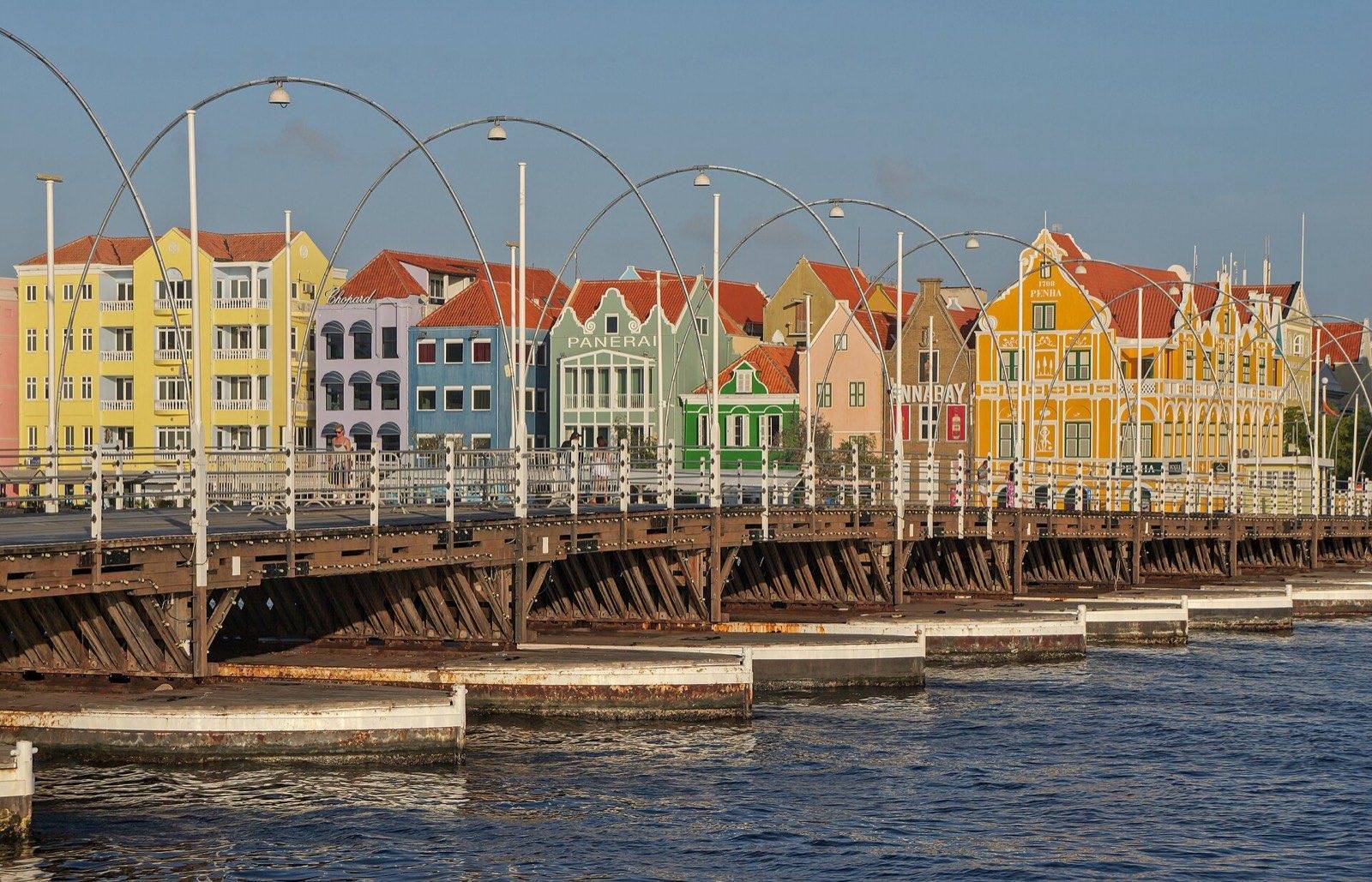
The historic center is small, flat, and made for wandering: Punda's shopping lanes, Pietermaai's restored townhouses, Otrobanda's alleys and murals, all stitched together by the Queen Emma Bridge. Crossing it is the island's signature commute. When the pontoon bridge swings open for ships, the free ferry takes over, and locals will tell you the ferry is the better ride anyway.
From our door in Punda, guests reach the Queen Emma Bridge in two minutes and the lanes of Otrobanda soon after, which is the entire argument for sleeping in the center. The classic loop through both quarters, with every stop in order, lives in our Willemstad walking tour. The only walking strategy you need is the sun's: mornings and late afternoons for long exploring, shade and cold drinks in the middle hours.
III.The rental car question
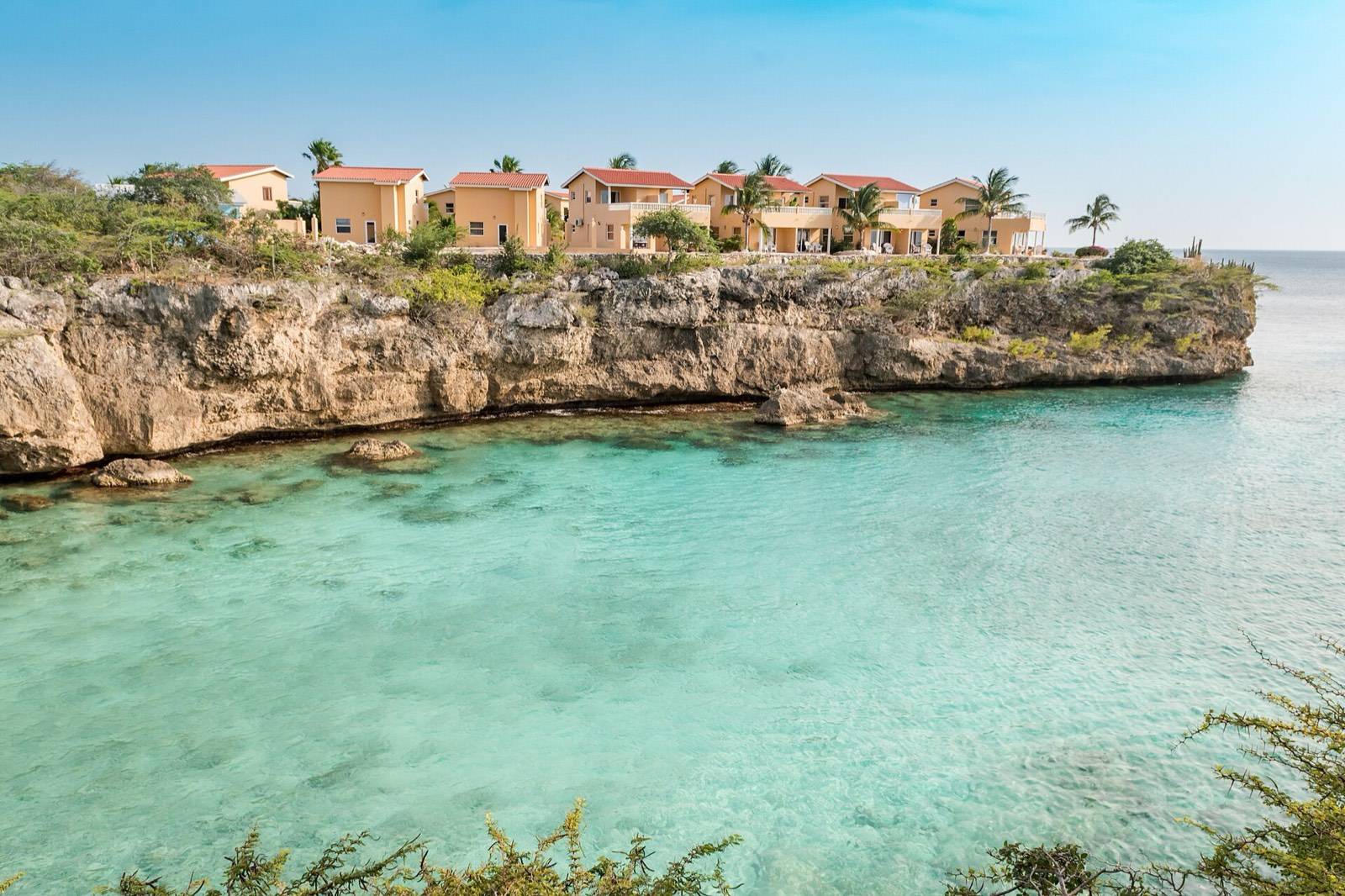
For beaches and wilderness, the car wins. The west end sits about forty-five minutes from town, buses out there are sparse, and cove-hopping, the great pleasure of a west-end day, only works with your own wheels.
The good news is that driving here is gentle. Traffic keeps to the right, a US license works for rentals, main roads are paved and well marked, and nothing on a 38-mile island is far. A few local adjustments:
- The final approach to some west-end coves is graded dirt. Take it slow and any ordinary car manages fine.
- Rural roads are sparsely lit after dark. Plan beach days to roll home around sunset, or drive the dark stretches patiently.
- Park where the car can be seen, and leave nothing visible inside, ever. Not a bag, not a charger. Our guide to staying sensible on the island covers the habit in full.
- City parking on cobbled streets is the one place a car becomes a burden, which is exactly why we suggest renting only on the days you leave town.
IV.Taxis: no meters, no mystery
Curaçao's taxis generally run on fixed rates by zone or destination rather than meters. The system is honest once you know the etiquette: confirm the fare before you ride, every time. Hotels and restaurants happily call trusted drivers and quote what the trip should cost, and drivers are used to the question.
Taxis shine for the airport run, evenings out in Pietermaai, late returns after dinner, and travelers who simply do not want to drive. They suit single journeys better than all-day beach hopping, where the fares stack up against a one-day rental. For arrival day, arranging a pickup through your accommodation turns landing into the easiest part of the trip.
V.Buses and shared vans
Public buses and shared vans do exist, running the main corridors from terminals near Punda and Otrobanda toward the island's east and west. They are inexpensive and genuinely local, and budget travelers with flexible clocks use them well. They are also sparse: schedules are thin, some beaches sit a hot walk from the nearest stop, and evening service fades early. Treat them as an adventure that saves money rather than a network that saves time, and confirm routes and times locally, because printed schedules are a loose suggestion here.
VI.The smart rental pattern
The trick that saves both money and parking headaches: rent by the day, not by the trip.
- Three-day trips: one car day. City on foot, one west-end beach day with wheels, one boat day. Exactly how our 3-day itinerary runs it.
- Five-day trips: two car days, splitting beaches and the national parks.
- A week or more: two or three car days, spaced out, with walking and taxi days between.
- The boat day is car-free: trips to Klein Curaçao and most snorkel charters collect you in or near town.
Rental desks operate at the airport and in town, and many agencies deliver cars to hotels, which is the most painless version of all. Ask your accommodation; arranging it is routine.
VII.Arriving: airport and cruise terminal
Hato International Airport, code CUR, sits on the island's north side, a short drive from the historic center. Taxis meet flights, pre-arranged pickups make it effortless, and there is no reason to be nervous about the transfer; it is brief and scenic in places.
Cruise visitors have it even easier. Ships dock on the Otrobanda side, within walking distance of the bridge, the waterfront, and the whole historic center; guests at our 1892 monument sometimes arrive with their suitcases on foot. If you have only a ship's day to spend, our cruise day itinerary wrings the most from every hour.
However you move, keep the island's proportions in mind: nothing is far, nothing is complicated, and the worst transport mistake available is renting a car for seven days and paying it to sit on cobblestones for five. Feet for the city, wheels for the coves, a boat for the horizon. That is the whole system.
Every guide has a place on the chart.
Hover the markers to read the island the way our concierge sketches it on paper, from the wild west end to Klein Curaçao two hours offshore.
Westpunt & Playa Piskado
Cliff coves, fresh fish, and the pier where green turtles patrol the shallows.
Read the guideGrote Knip
The postcard cove. Take the lookout photo first, then swim it.
Read the guidePlaya Lagun
A narrow fishermen's notch where turtles graze between the cliffs.
Read the guideShete Boka
Seven wave-carved inlets. Boka Tabla thunders; Boka Pistol fires.
Read the guideChristoffel Park
The island's summit. Start the climb early, before the heat does.
Read the guideCas Abao & Porto Mari
Full-service white sand and a double reef a short swim from shore.
Read the guideHato Caves
Limestone halls near the airport, carved by an older sea.
Read the guideWillemstad · our home
The UNESCO city, both banks of it. Our 1892 monument stands in Punda, on Breedestraat.
Read the guideJan Thiel & Spanish Water
The southeast lagoon: beach clubs, calm water, late sun.
Read the guideKlein Curaçao
An uninhabited islet two hours offshore. One lighthouse, one long white beach.
Read the guideQuestions travelers ask
Straight answers from the front desk.
Do you need a car in Curaçao?
Can you get around Curaçao without a car?
Do taxis in Curaçao have meters?
Is driving in Curaçao difficult?
How do you get from the airport to Willemstad?
Keep exploring
Curaçao on a budget: the free-versus-fee itinerary
Curaçao on a budget: free beaches versus fee beaches, a UNESCO city you can walk for nothing, cheap local…
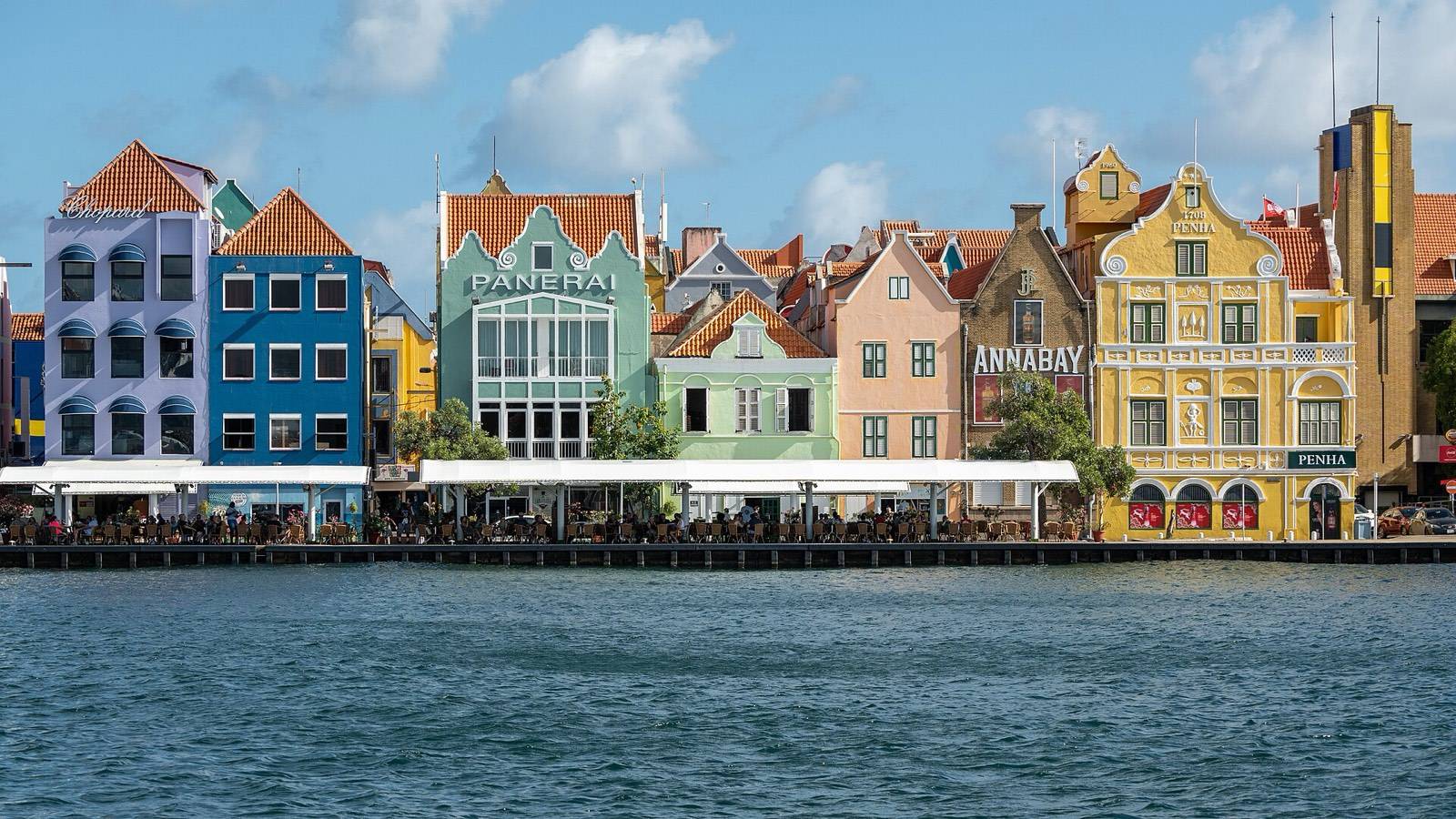
One day in Willemstad: a dawn-to-dark loop of the UNESCO city
One day in Willemstad, dawn to dark: golden hour on the Handelskade, Punda lanes and markets, bridge…
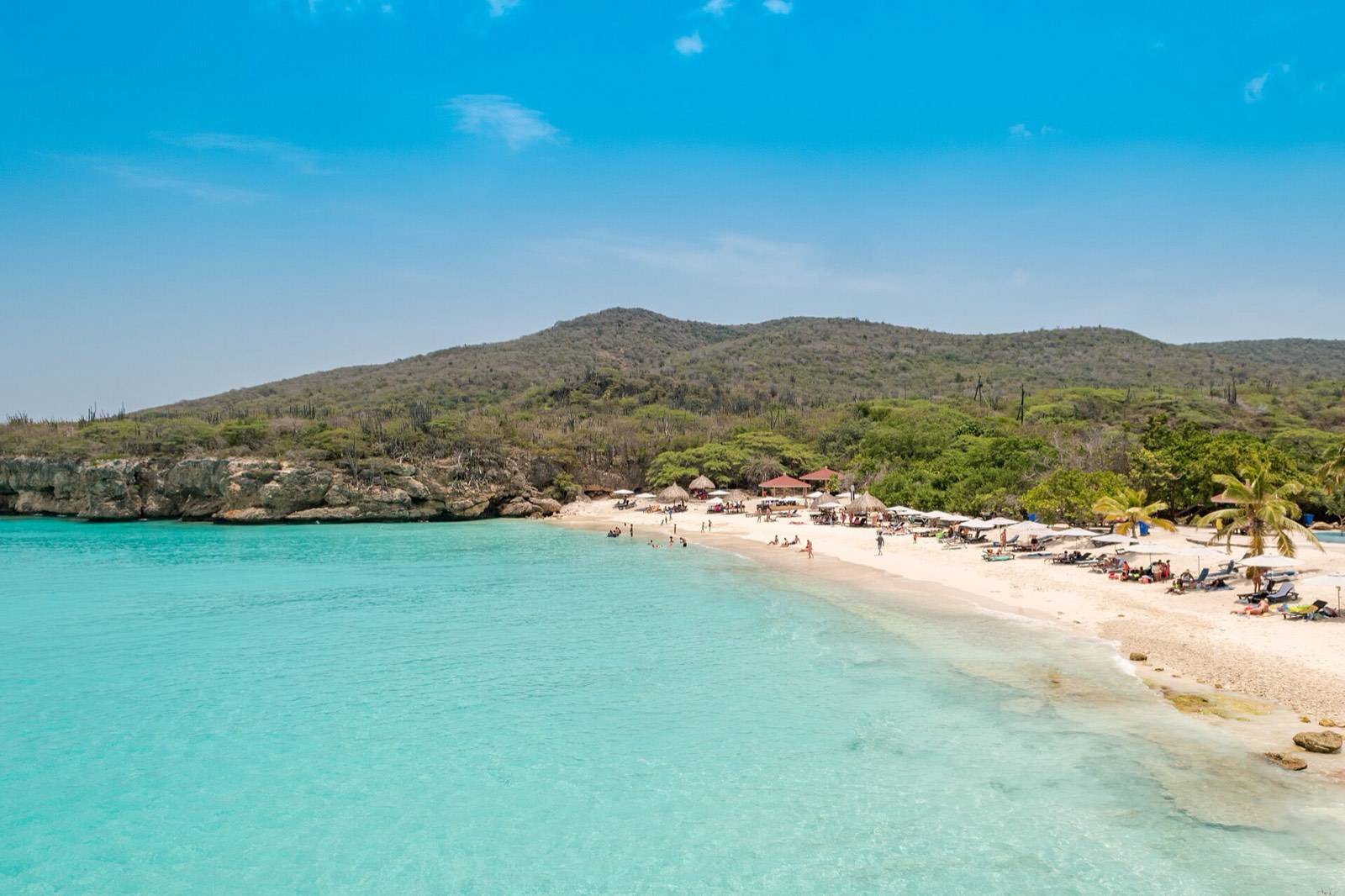
The best beaches in Curaçao: 15 coves and beach clubs, honestly ranked
The best beaches in Curaçao, ranked by a local concierge: west-end coves, calm family bays, free entries vs…
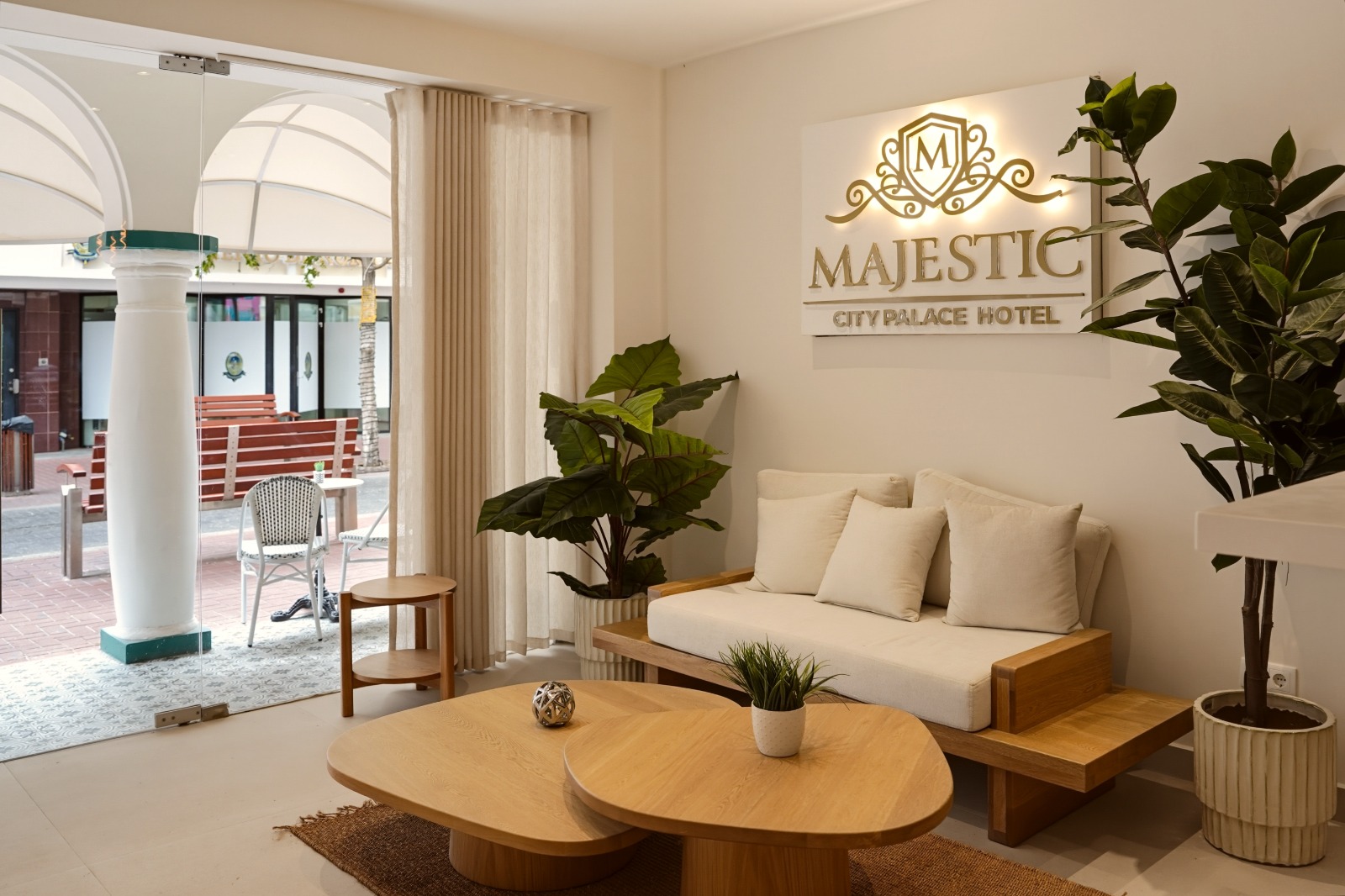
A restored 1892 monument, steps from everything in this guide.
Eighteen boutique rooms across five categories on Breedestraat, Punda. Signature balconies over the main street, and the Van Gogh café pouring espresso downstairs. Reserve your room on Airbnb in a few taps.