
On most islands, good snorkeling means a catamaran ticket and a schedule. On Curaçao it means a towel and a short swim, because the reef begins more or less where the sand ends. The leeward coast is calm nearly year-round, the water hovers around 80°F, and a half-dozen shore entries deliver turtles, wrecks, and coral gardens for the price of parking. This guide ranks them, then covers the gear and the manners.
I.Why this island snorkels best from shore
Geography does the work. Curaçao's southern coast faces away from the trade winds, so its bays stay flat while the north shore takes the punishment. The fringing reef hugs the island closely, which means depth, coral, and fish arrive within a few fin kicks of dry land. And because the entries are public beaches rather than dive sites with gates, you can snorkel at whim: an hour before the first coffee, a float between lunch and the drive home. The same calm that makes it easy makes it repeatable, and repetition is where the magic lives; the reef rewards the third visit more than the first. Pair this guide with our ranking of the best beaches in Curaçao and every swim of the trip doubles as a reef visit.
II.Playa Piskado: the turtle pier
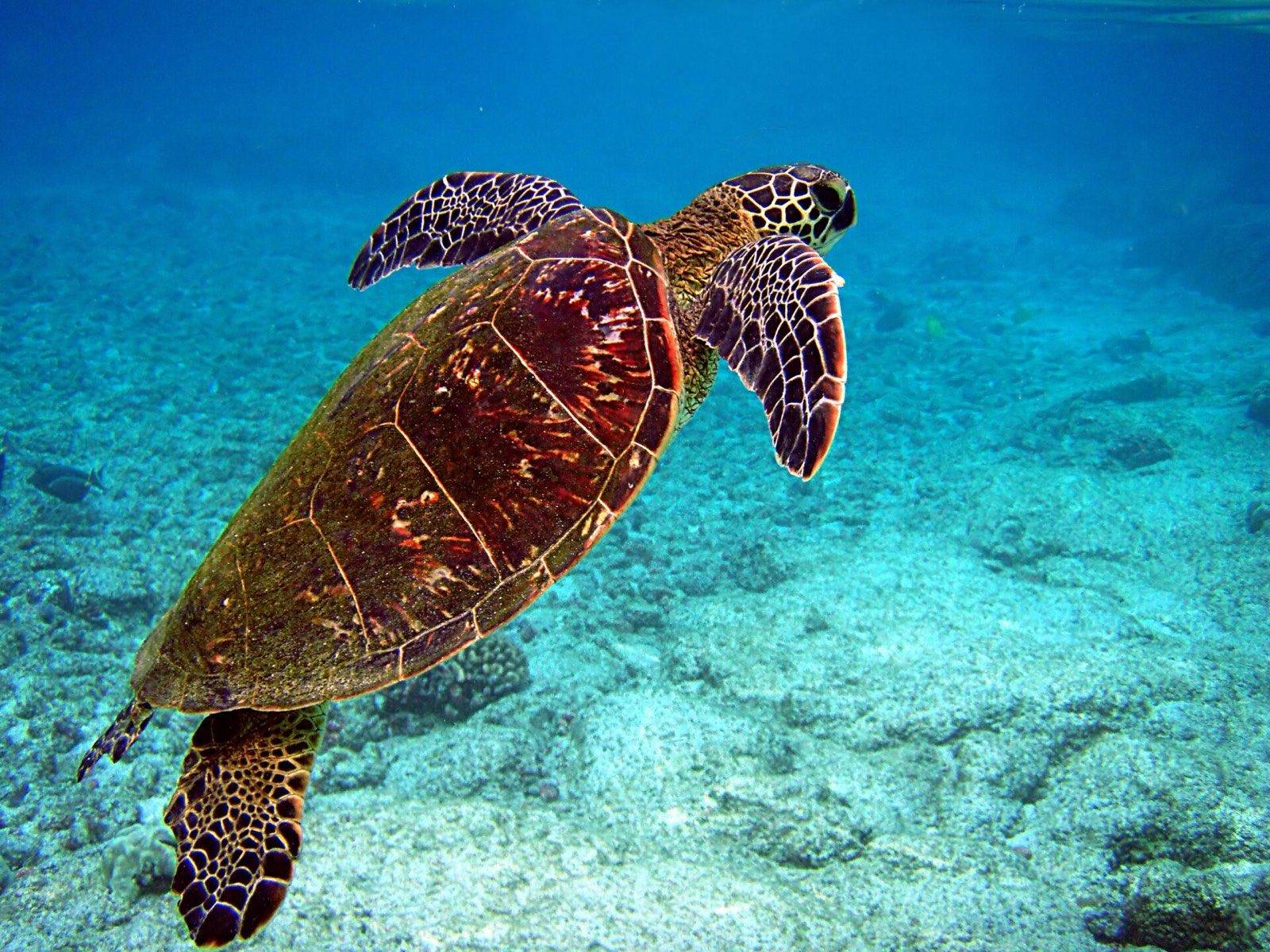
Start where everyone starts, and rightly. Playa Piskado, also called Playa Grandi, near Westpunt, is a working fishermen's beach, and the working is the point: when the boats come in and the catch is cleaned at the pier, green sea turtles gather for the scraps, and they have learned the schedule better than any visitor. Slip in from the rocky beach, water shoes strongly advised, and within minutes you will likely share the bay with an animal the size of a coffee table moving like a slow thought.
The etiquette is not optional. Keep a respectful distance, never touch, chase, or block a turtle, and never feed them; they surface to breathe, so give them a clear lane up. Stay out of the fishermen's lines and off the pier itself, and remember whose office this is. Mornings are best, before the day-trip crowds arrive, and the visibility is usually at its cleanest then too.
III.Tugboat Beach: the wreck you can wade to
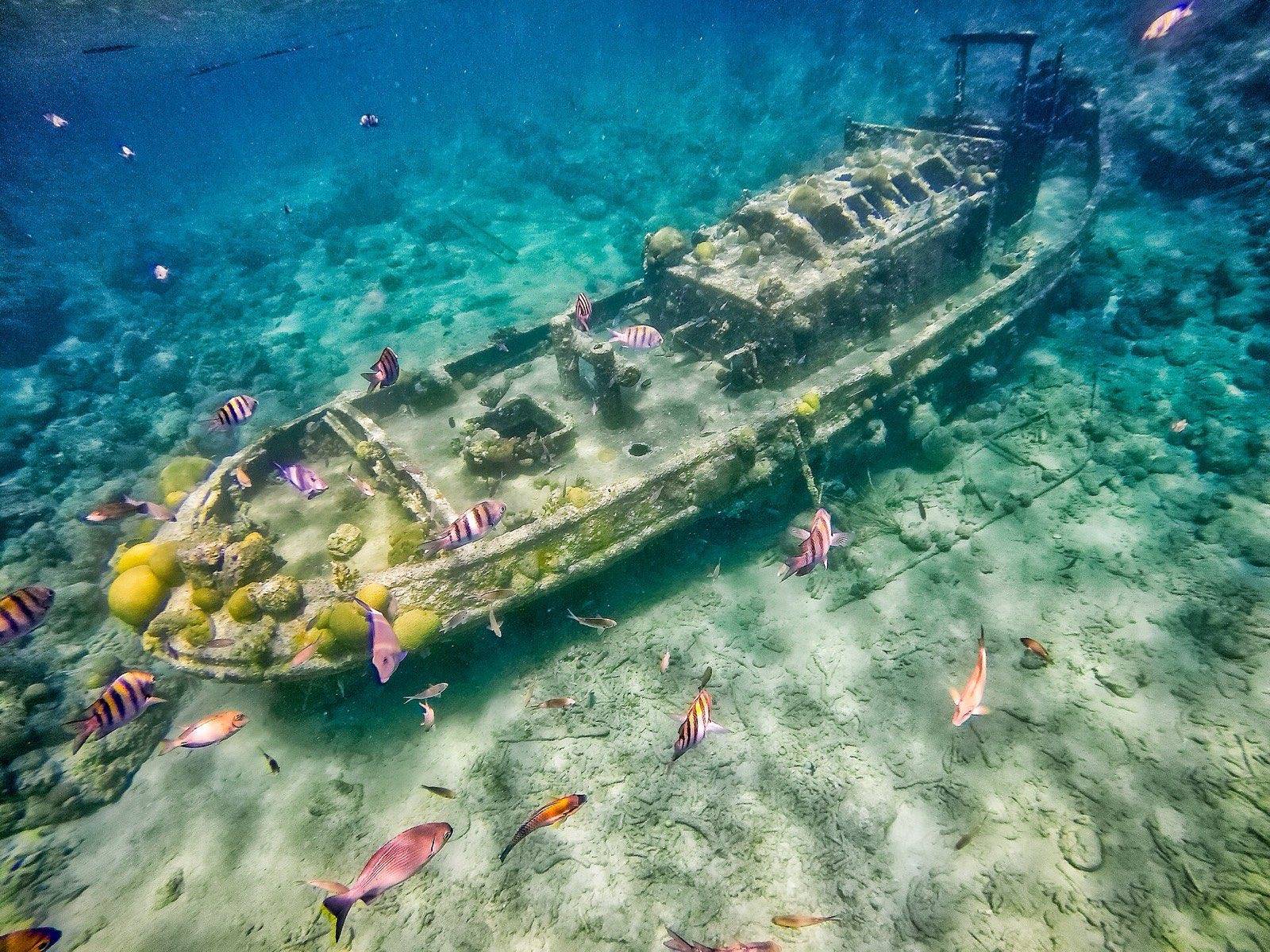
On the opposite end of the island, at Caracasbaai near Spanish Water, Tugboat Beach holds the most accessible shipwreck in the Caribbean: a small tug resting upright in shallow, swimming-pool water a short paddle from shore. Decades underwater have dressed it in coral and sponges, fish treat it as a city, and because it sits so shallow, the colors stay lit instead of fading to blue. It is the rare site that thrills first-timers and photographers equally. The beach itself is coral rubble and shade tents rather than powder sand; come for the water, not the towel time. A wall along the nearby cliffs rewards stronger swimmers who want a second act. Time your visit for a weekday morning if you can; the site's fame is well earned and well known, and small dive classes share the wreck by mid-morning.
IV.Playa Lagun: the aquarium between cliffs
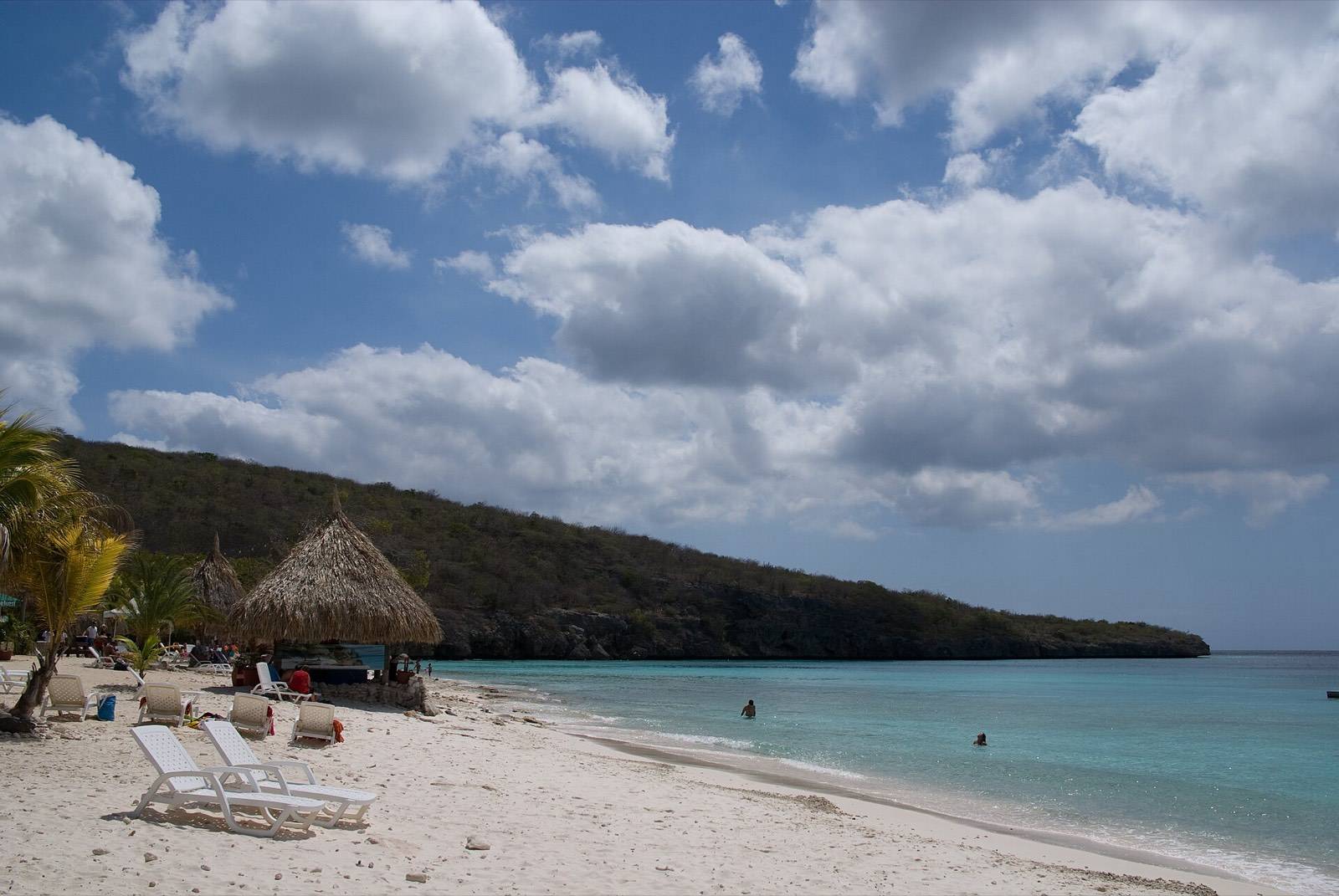
Back on the west coast, Playa Lagun funnels between two high cliff walls, and those walls are the attraction: their underwater bases shelter squid, octopus on lucky days, schooling fish in clouds, and the occasional cruising turtle. Snorkel along either side rather than across the middle, where the sand tells you less. The cove is narrow, calm, and deep enough in spots to feel like flying. Fishermen launch from the beach, so give their boats the channel, and wear water shoes for the pebbled entry. Of all the island's snorkel spots, this is the one locals are most protective of, and the one most worth a slow second lap.
V.Porto Mari and Cas Abao: reef days with facilities
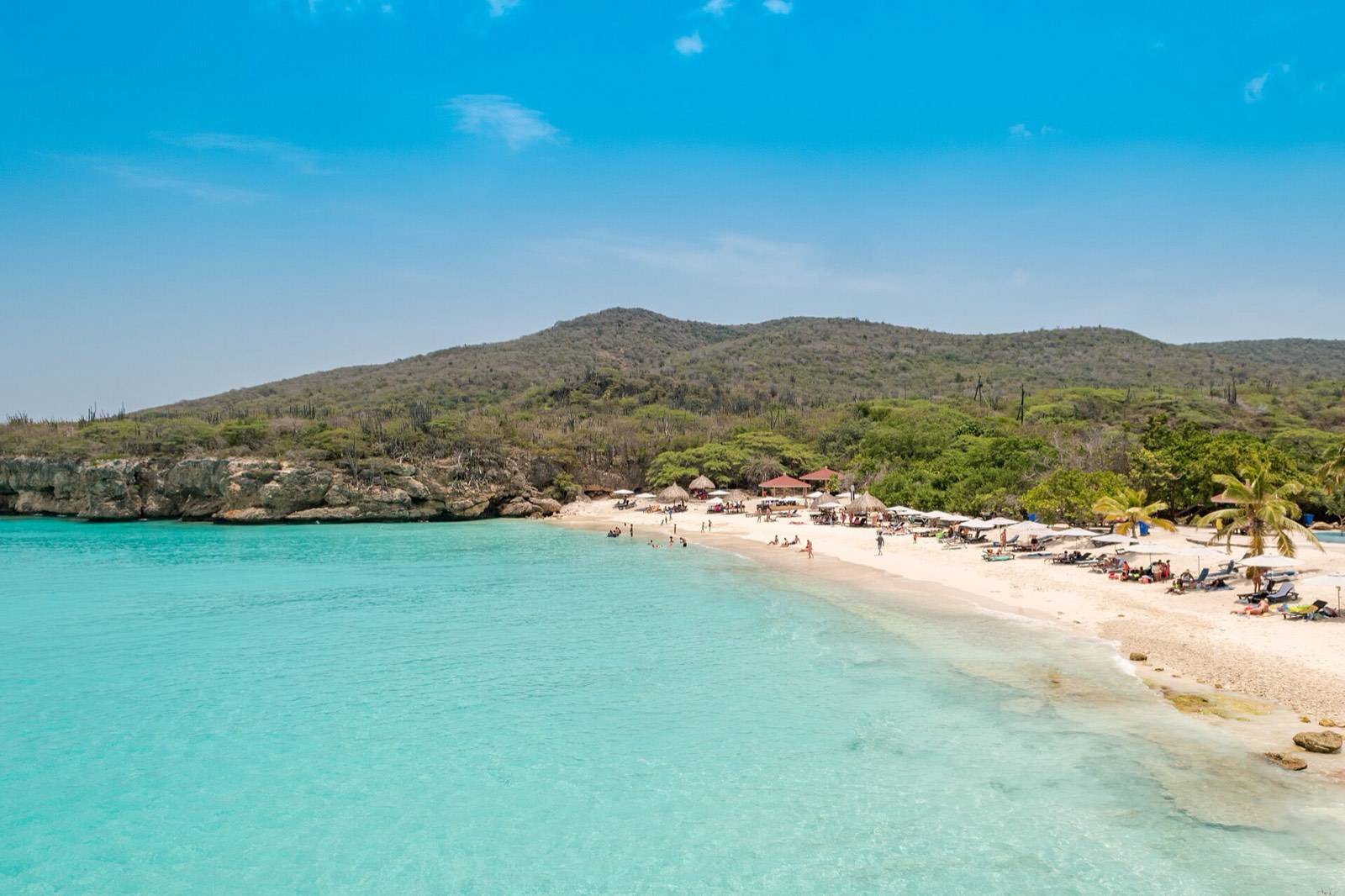
Some days you want the reef and the lounger. Porto Mari is famous for its double reef, two parallel ridges with a sandy valley between them, swimmable in a single unhurried loop from the pier. The entry is the gentlest on the west coast, which makes it the natural classroom for first-time snorkelers and a fixture of our family itinerary. Cas Abao, a short drive away, pairs a postcard beach with a healthy reef just off the swim area, plus bars and bathrooms for the surface intervals. Both charge a small entry fee and earn it.
VI.Gear: bring, rent, or improvise
A mask that fits is the whole game. If you snorkel more than once a year, bring your own; a leaky rental mask has ruined more turtle encounters than rain ever has. Children's masks deserve the same scrutiny, since a cheap set that fogs and floods can end a young snorkeling career on the first morning. Fins are optional for these calm shore entries, though they help at Lagun and along Tugboat's wall. Managed beaches like Porto Mari and Cas Abao rent gear, while the free beaches assume self-sufficiency, so carry your kit on west-end days. Add water shoes for the rocky entries, a flotation vest for hesitant swimmers, and a dry bag for the car key. Our packing list covers what is worth suitcase space and what is cheaper to rent on arrival.
VII.Reef manners
The reefs that make all this possible are alive, and they are slower to heal than we are to kick. Float horizontal, keep fins off the coral, and stand only on sand. Touch nothing: not the coral, not the turtles, not the harmless-looking rock, because your hands carry oils the reef does not want and the rock may be neither harmless nor a rock. Feed nothing. Wear reef-safe sunscreen, applied well before you enter the water. Give fishermen and their lines the right of way everywhere; the sea is their livelihood and our pastime. None of this subtracts from the experience. Attention is precisely what the reef rewards.
The rule of the reef is the rule of the museum: bring your eyes, leave your hands.
VIII.Where snorkeling ends and diving begins
If you find yourself diving down to the reef more often than floating over it, the island is ready to upgrade you: the same easy shore culture extends to tanks, and our guide to diving in Curaçao maps the next step, including the famous wreck that lies beyond snorkel depth. And when the main island's entries start to feel familiar, the clear shallows of Klein Curaçao wait about two hours offshore. From our door in Punda, guests have turned a single borrowed mask into a lifelong habit more than once.
Grote Knip
The postcard cove. Free, wild, and best before the boats arrive.
The guideWest endKenepa Chiki
Grote Knip's smaller sister, often calmer in the morning.
The guideWest endPlaya Lagun
A fishermen's notch between cliffs where turtles graze the shallows.
The guideWest endPlaya Piskado
Green sea turtles patrol the pier while the catch is cleaned.
The guideWest centerCas Abao
Full-service white sand: loungers, bar, easy calm entry.
The guideWest centerPorto Mari
A double reef a short swim out, with every comfort onshore.
The guideWest centerDaaibooi
A locals' Sunday beach: shade huts, calm water, no fuss.
The guideWest endPlaya Jeremi
A quiet pocket cove for travelers who want nobody around.
The guideSoutheastMambo Beach
The social strip: clubs, music, and a sea wall that keeps it calm.
The guideSoutheastJan Thiel
Lagoon beach clubs with late sun and easy family logistics.
The guideCaracas BayTugboat Beach
A shallow shipwreck a swim from shore, wearing forty years of coral.
The guideOffshoreKlein Curaçao
Two hours by boat: one lighthouse, one long white beach.
The guideQuestions travelers ask
Straight answers from the front desk.
Where is the best snorkeling in Curaçao?
Can you snorkel with turtles in Curaçao?
Do you need a boat to snorkel in Curaçao?
Is snorkeling in Curaçao good for beginners?
What sunscreen should I use for snorkeling in Curaçao?
Keep exploring
The Curaçao packing list: what locals would tell you to bring
The Curaçao packing list locals would hand you: reef-safe sunscreen, water shoes for rocky coves, a dry bag…
Diving in Curaçao: the Caribbean's most underrated dive island
Diving in Curaçao: easy shore dives, the Tugboat wreck, the advanced Superior Producer, Mushroom Forest by…
The best beaches in Curaçao: 15 coves and beach clubs, honestly ranked
The best beaches in Curaçao, ranked by a local concierge: west-end coves, calm family bays, free entries vs…
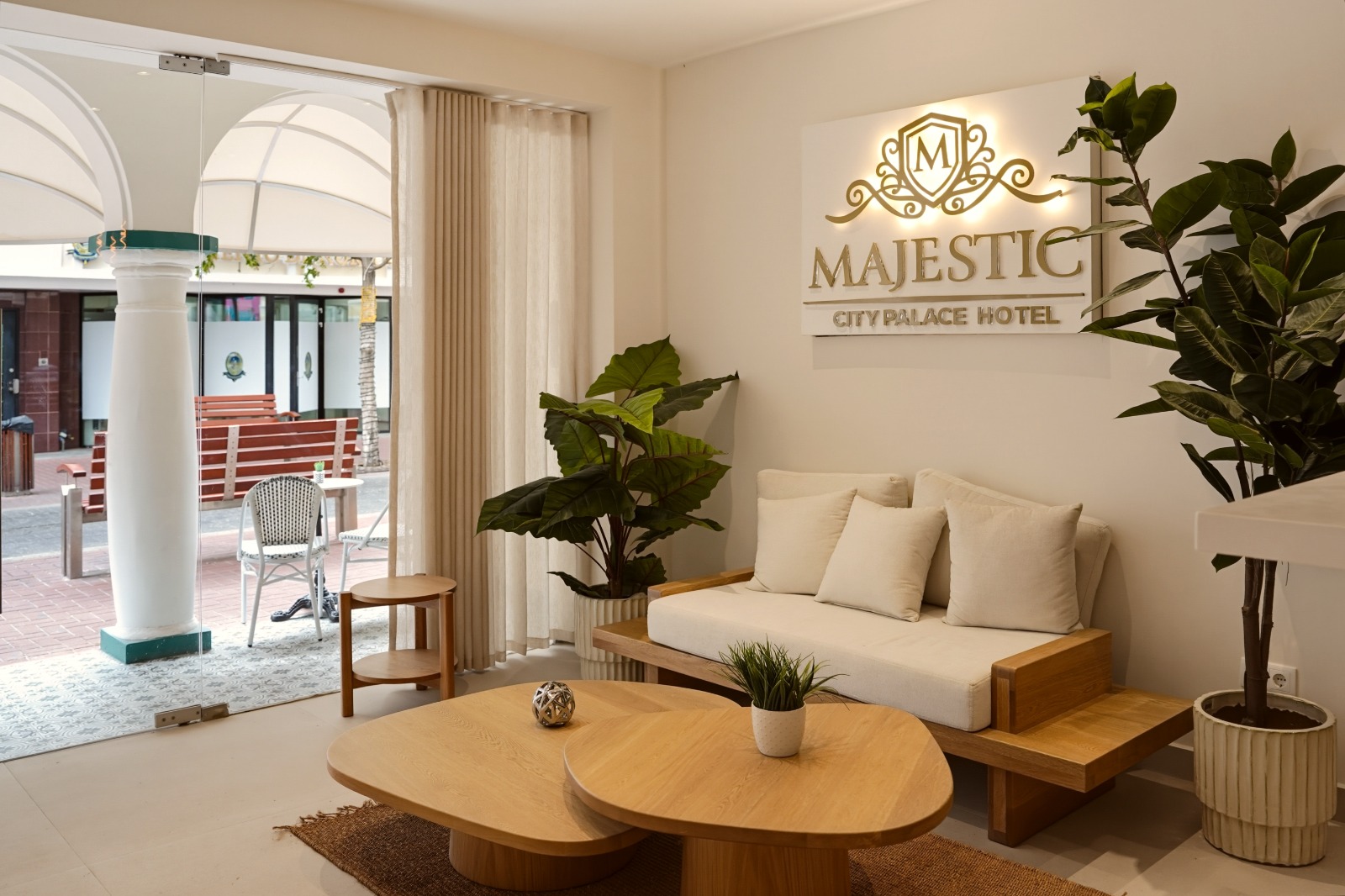
A restored 1892 monument, steps from everything in this guide.
Eighteen boutique rooms across five categories on Breedestraat, Punda. Signature balconies over the main street, and the Van Gogh café pouring espresso downstairs. Reserve your room on Airbnb in a few taps.