
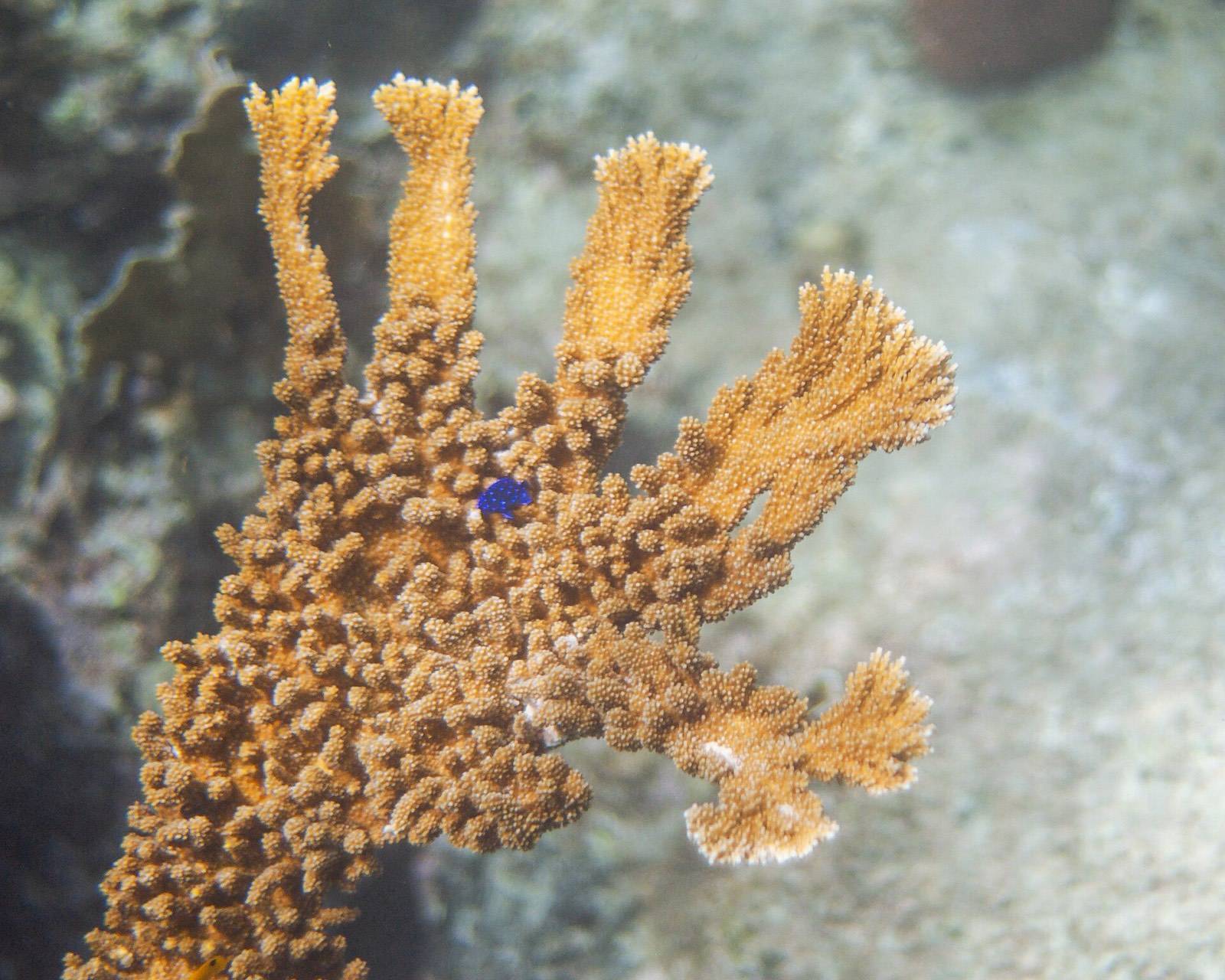
Choosing between Curaçao and Bonaire is really a question about what your week is for. The two islands are neighbors in the deep southern Caribbean, both Dutch in heritage, both outside the main hurricane belt, both blessed with calm leeward coasts where the reef begins at the shoreline. But they have organized themselves around different ideas. Bonaire arranged its entire identity around the water and is proud of how little else it offers. Curaçao built a layered island life, with a UNESCO capital, a creole food culture, real beaches, and the region's most underrated diving riding along.
We live on one of these islands, so read what follows with that in mind. Then notice how many categories we hand to Bonaire anyway.
I.The short answer
If you will spend more hours underwater than above it, book Bonaire and do not look back. If you want one island to deliver city, culture, sand, food, and very good diving in a single trip, Curaçao is the more complete answer. Almost every traveler fits one of those two sentences, and the table sorts the rest.
| Dimension | Bonaire | Curaçao |
|---|---|---|
| Beaches | Mostly coral rubble and limestone shore; Klein Bonaire sandbar is the exception | Sandy, cliff-framed coves along the west end: Knip, Cas Abao, Porto Mari |
| Culture and architecture | Kralendijk is small, low-rise, and quiet; Rincon holds the island's oldest roots | UNESCO Willemstad: four historic quarters, the 1888 pontoon bridge, a living capital |
| Food scene | Casual and friendly, built around dive schedules | Old-market creole lunches, pastechi counters, the Pietermaai dinner row |
| Nightlife | Early nights and dive-log conversation | Punda Vibes Thursdays, Pietermaai bars, beach clubs near Jan Thiel |
| Diving and snorkeling | The Caribbean benchmark for shore diving; marked entries down the leeward coast | Excellent and underrated: Tugboat wreck, Mushroom Forest, turtles at Playa Piskado |
| Crowds | Sparse; divers outnumber sunbathers | Lively city by day, quiet coves; crowds follow the cruise schedule |
| Getting around | Pickup-truck culture, tanks in the bed; a vehicle is essential | Walkable capital; rental car for beach days only |
| Typical cost feel | Mid-range, with dive packages setting the rhythm | Broad range; value is easier to find, city stays need no car |
II.Diving: Bonaire's home game
Give Bonaire its crown with both hands. Its leeward coast is a ribbon of shore-dive sites, each marked by a painted yellow stone at the roadside, and its reefs have enjoyed marine-park protection for decades, long enough to show in the health of the coral. The rhythm is unlike anywhere else in the Caribbean: load tanks into the truck bed, drive until a site name catches your eye, wade in, descend. No boat schedule, no briefing queue, no negotiation with the day. For divers who count vacations in logged dives, Bonaire is not just the better choice, it is the standard the rest of the region is measured against.
Bonaire is a dive site with an island attached. Curaçao is an island with a dive site attached, and both descriptions are meant as compliments.
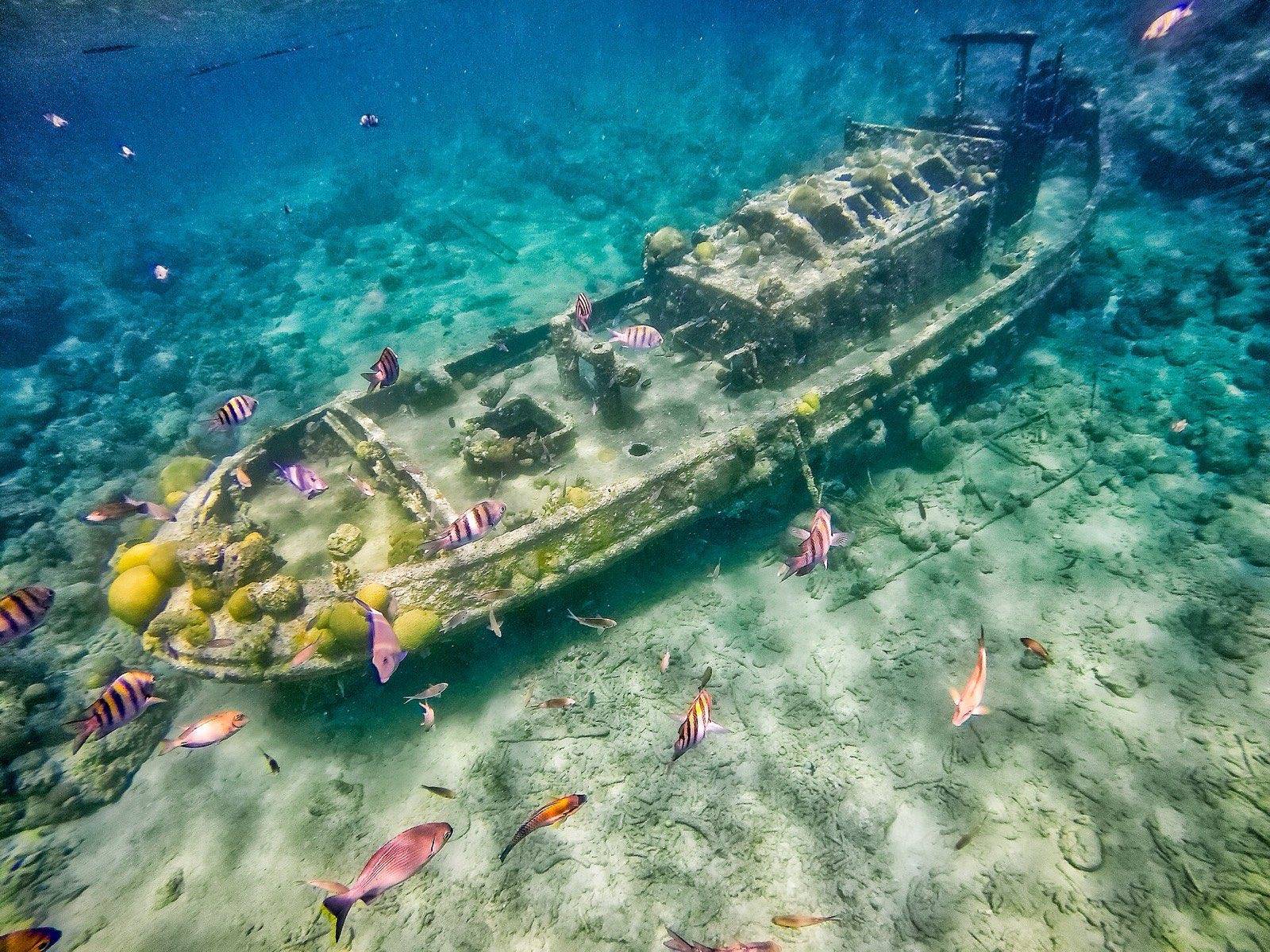
Curaçao is closer behind than the reputations suggest. The wreck at Tugboat Beach lies in water shallow enough for snorkelers, the Superior Producer is one of the great advanced wreck dives in the region, and the Mushroom Forest's coral heads justify the name. Shore entries line the west end here too, just without the numbered-stone ritual. The case in full lives in our guide to diving in Curaçao, and the honest summary is this: Bonaire wins the category, and Curaçao loses it more narrowly than almost anyone expects.
III.Snorkeling and beaches: the counterpunch
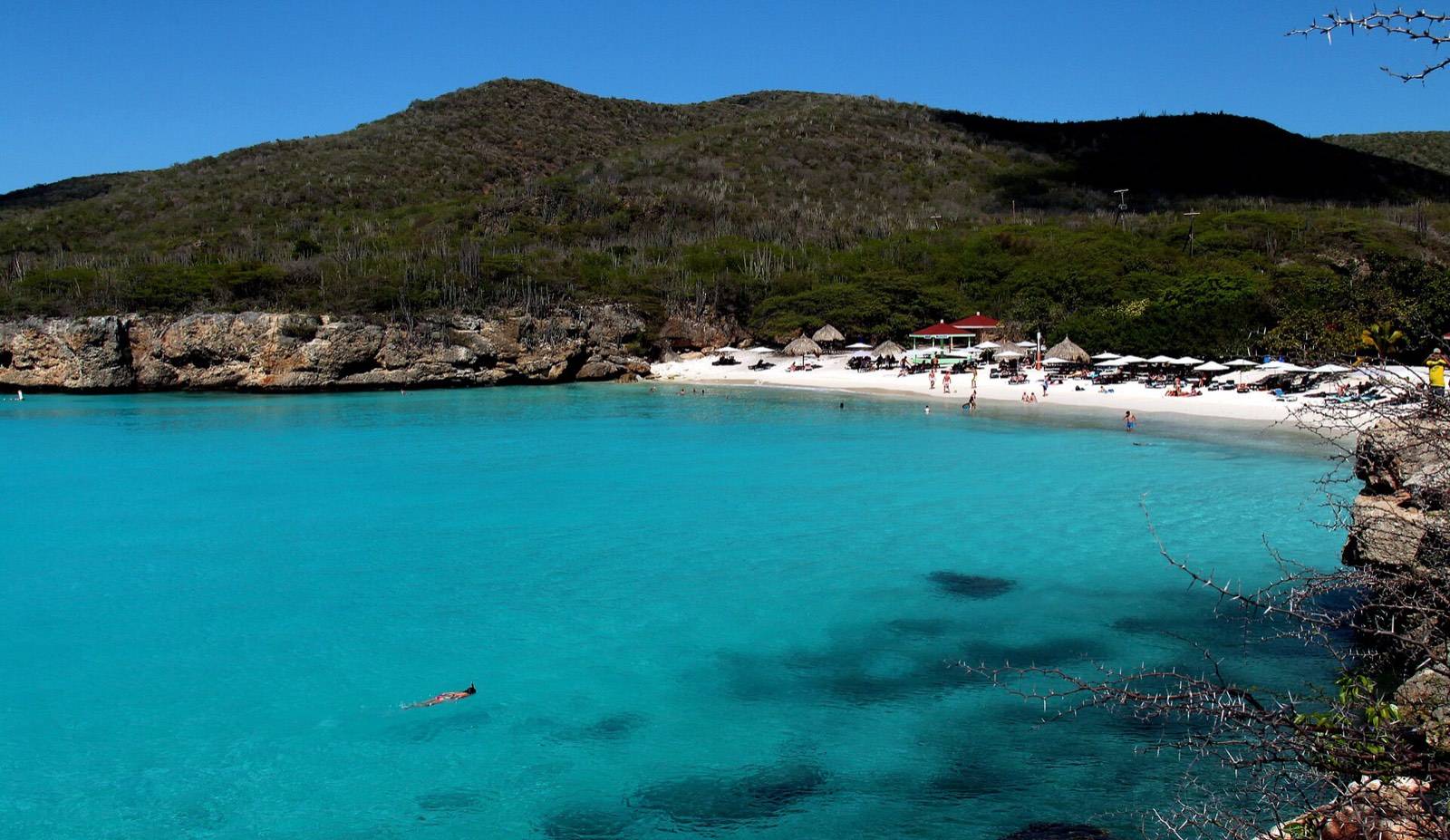
Above the waterline, the islands trade places. Bonaire's shore is mostly coral rubble and ironshore, magnificent under the surface and unkind to bare feet above it; the soft sandbar of Klein Bonaire, reached by water taxi, is the famous exception. Curaçao has the real sand: Grote Knip glowing between its cliffs, Cas Abao with loungers and an easy entry, Playa Lagun's narrow fishermen's notch, Porto Mari and its double reef. Snorkelers may actually prefer Curaçao outright, because the turtles at Playa Piskado and the Tugboat wreck deliver world-class swims with no tank and no truck. The entries are ranked in our snorkeling guide, and the sand is ranked in the best beaches in Curaçao.
Add Klein Curaçao, the uninhabited islet about two hours offshore with its lighthouse and long white beach, and Curaçao's above-water portfolio simply has more pages in it.
IV.The week above the waterline
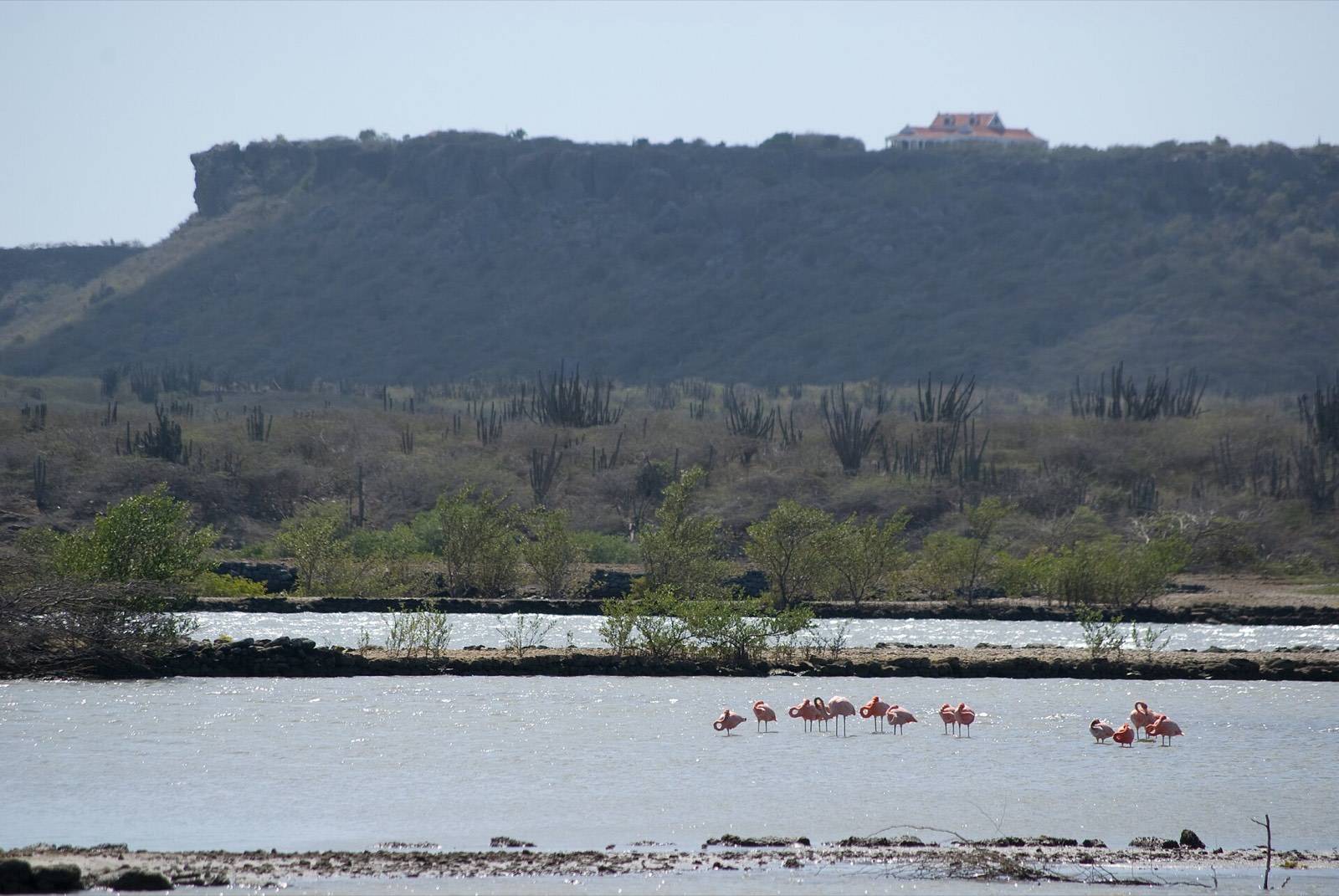
Here the gap is widest. Bonaire's topside pleasures are real but few: the blinding white salt pyramids of the south, flamingos wading the salinas, windsurfers skimming Lac Bay, the old village of Rincon in its green valley. Evenings are early, conversation is logged in meters and minutes, and many visitors love exactly that. It is an island with one subject, spoken fluently.
Curaçao holds an entire syllabus. Willemstad's four UNESCO quarters reward a full day on foot, from the Handelskade's facades to the Floating Market to lunch at Plasa Bieu in the old covered market; our one day in Willemstad route walks it hour by hour. Evenings stretch through Pietermaai's restored townhouses, and Thursday nights belong to Punda Vibes. Curaçao has flamingo salinas of its own at Jan Kok and near Sint Willibrordus, so even Bonaire's signature birds make an appearance here.
V.Flights, costs, and the practical math
Curaçao is the easier island to reach. Hato International Airport carries the broader nonstop network from North America and Europe, while Bonaire is served by fewer routes, and plenty of its visitors connect through Curaçao anyway. On the ground, Bonaire all but requires a pickup truck, because the diving rhythm depends on it. Curaçao splits neatly: a city stay needs no car at all, and a one-day or two-day rental covers the west-end coves.
On cost, the honest answer is that neither island is a bargain destination, but they spend differently. Bonaire's economics are organized around dive packages and accommodation built for divers. Curaçao offers a wider spread, from guesthouses in monument quarters to beach resorts, which makes value easier to engineer, especially for non-divers who would otherwise pay for reef access they will not use.
VI.Choose Bonaire if, choose Curaçao if
Choose Bonaire if:
- Diving is the reason for the trip, and three dives a day sounds like a reasonable minimum.
- You want the freedom of shore entries on your own schedule, truck keys in hand.
- Quiet evenings and a one-subject island sound like a feature, not a flaw.
Choose Curaçao if:
- Your group mixes divers and non-divers, and both halves deserve a real vacation.
- You want sandy coves, turtle snorkels, and a UNESCO capital in the same week.
- Food, nightlife, and city texture matter as much as bottom time.
- You are weighing other islands too, in which case start with Curaçao vs Aruba.
The fairest closing line we can write is the one we tell dive-obsessed guests to their faces: if the logbook is the trip, Bonaire deserves you. If the trip is bigger than the logbook, Curaçao will fill every page of it.
Questions travelers ask
Straight answers from the front desk.
Is Bonaire or Curaçao better for diving?
Which island is better for non-divers, Curaçao or Bonaire?
Does Bonaire have good beaches?
Is it easier to fly to Curaçao or Bonaire?
Can you combine Curaçao and Bonaire in one trip?
Keep exploring
Curaçao vs Aruba: an honest comparison from people who chose one
Curaçao vs Aruba, compared honestly: beaches, culture, nightlife, costs, crowds, and weather, plus a clear…
Diving in Curaçao: the Caribbean's most underrated dive island
Diving in Curaçao: easy shore dives, the Tugboat wreck, the advanced Superior Producer, Mushroom Forest by…
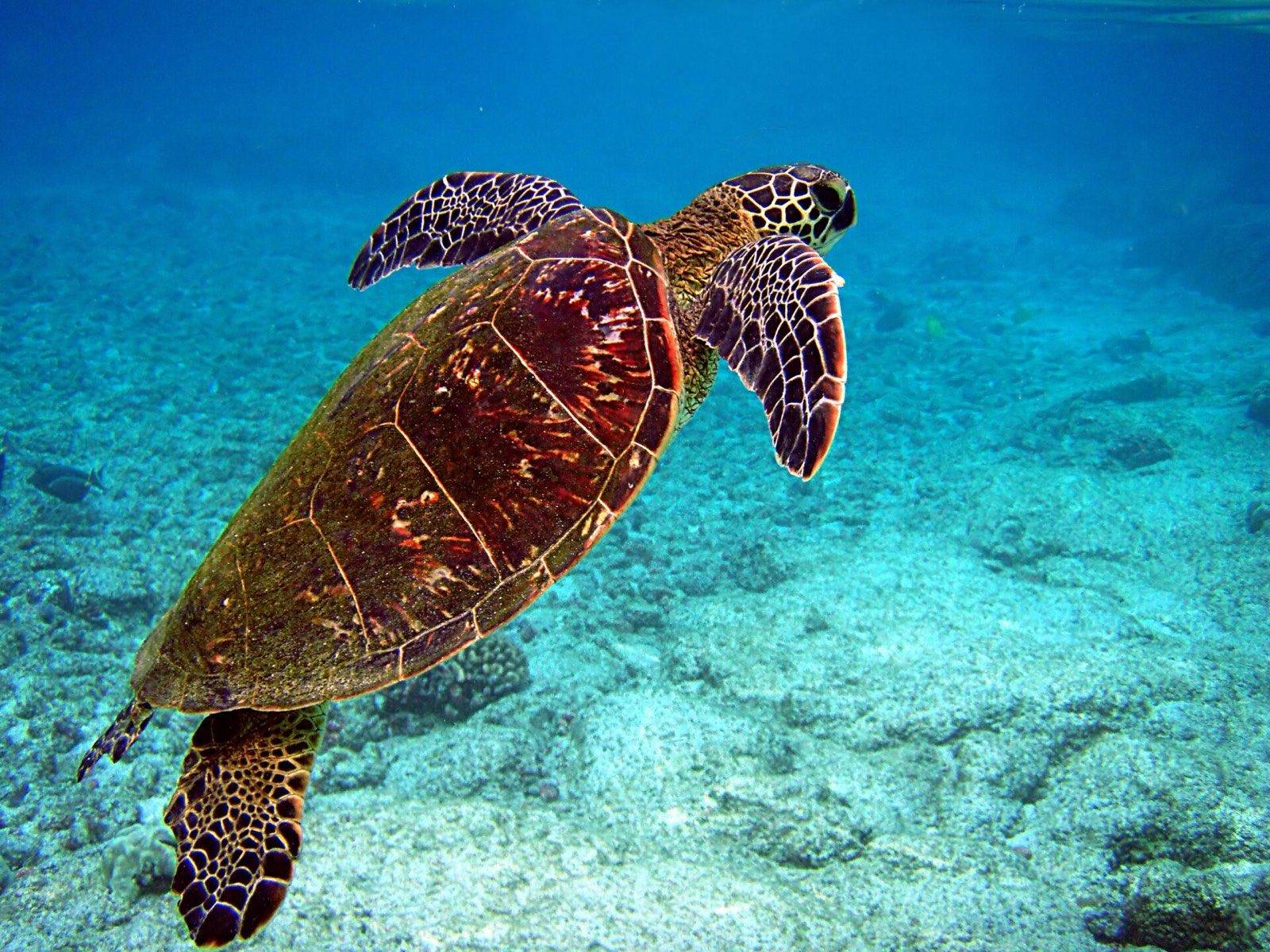
Snorkeling in Curaçao: the shore-entry spots worth your morning
Snorkeling in Curaçao from shore: turtles at Playa Piskado, the Tugboat wreck, Playa Lagun and Porto Mari…
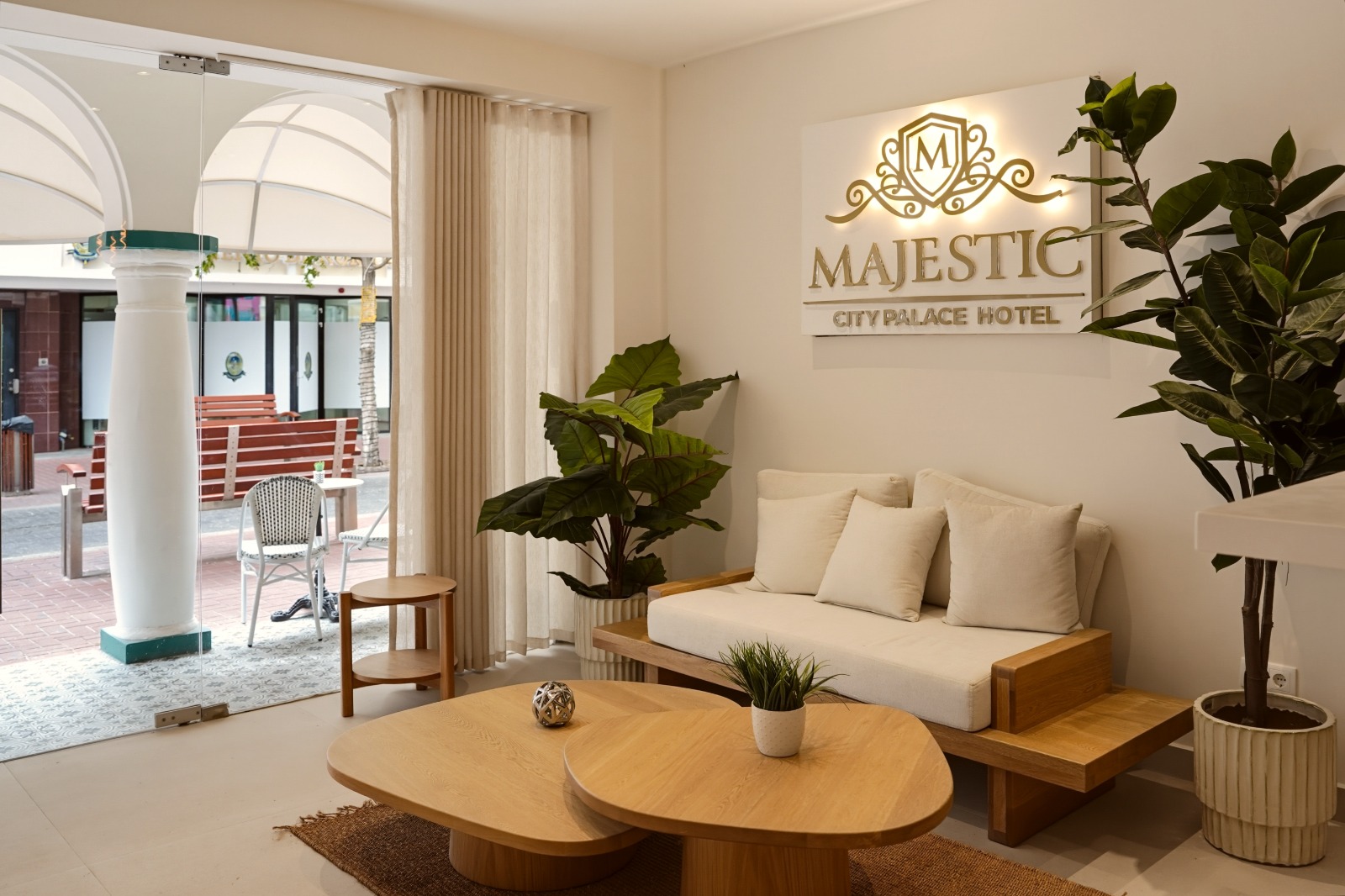
A restored 1892 monument, steps from everything in this guide.
Eighteen boutique rooms across five categories on Breedestraat, Punda. Signature balconies over the main street, and the Van Gogh café pouring espresso downstairs. Reserve your room on Airbnb in a few taps.