
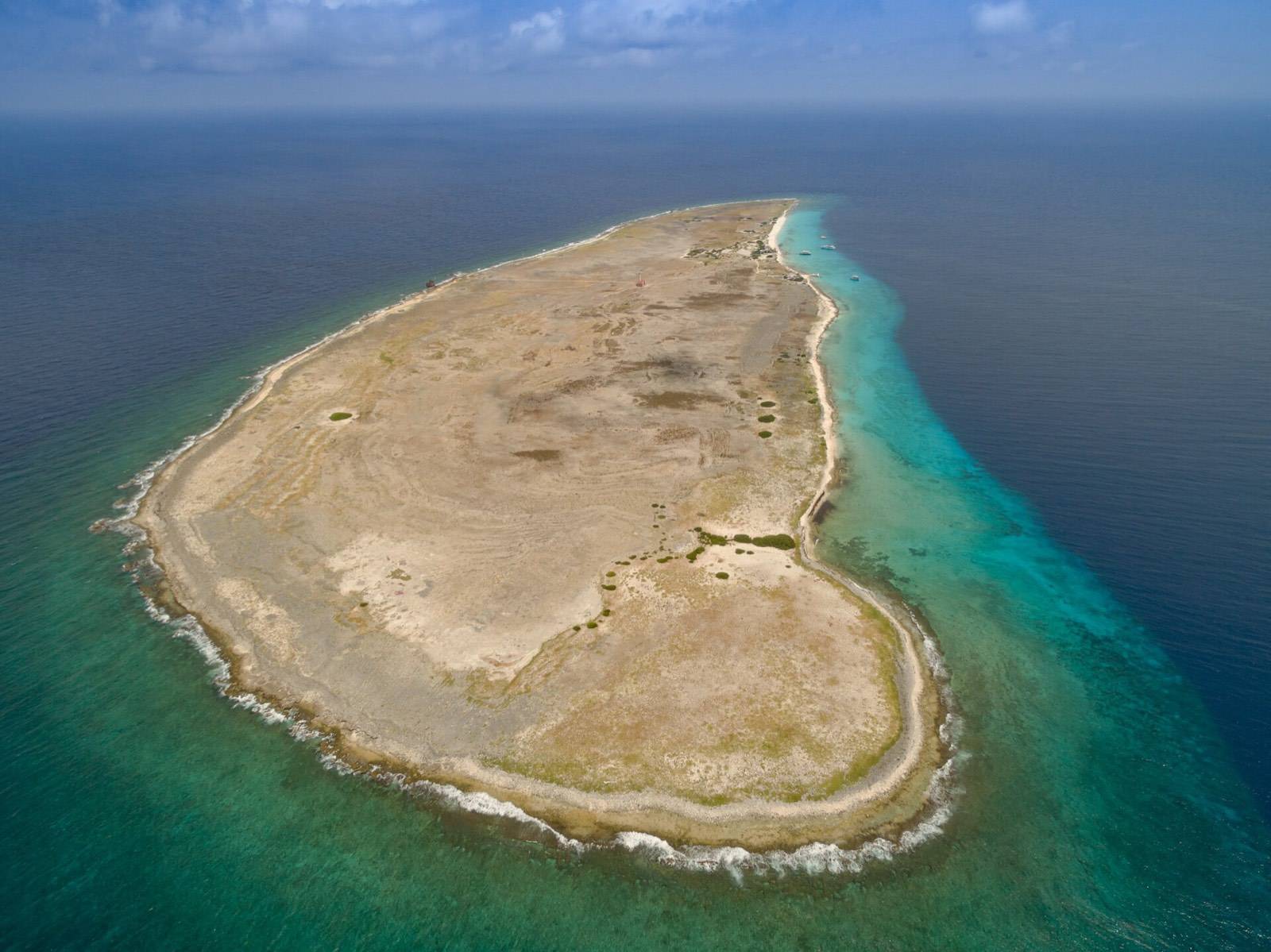
The ABC islands sit in a row off the Venezuelan coast, far enough south to escape the main hurricane belt, close enough together that you can see one from another on a clear day. They share Dutch history, trade winds, dollar-friendly economies, and a sea that holds near 80°F all year. That is where the resemblance ends. Travelers who assume the three are interchangeable book the wrong island every week, and travelers who understand the differences almost never do.
This is the decision guide we wish existed when guests started asking us the question, and it plays fair: we live on one of these islands and still hand entire categories to the other two.
I.Three sisters, three personalities
Aruba is the polished one, the island that turned the beach vacation into a science. Bonaire is the underwater one, a marine park with a small town attached. Curaçao is the layered one, the largest and most populous of the three, where a UNESCO capital, a creole food culture, and a coastline of coves stack into the most complete single trip.
Aruba sells certainty. Bonaire sells silence. Curaçao sells a sense of place. Decide which one your trip is missing.
II.Aruba: the polished one
Everything you have heard about Aruba's ease is true. Eagle Beach and Palm Beach are long, soft, genuinely world-class ribbons of resort sand with calm water and hotels standing right behind them. The island is flat and dry, the divi-divi trees lean photogenically, the nonstop flight network is the deepest in the southern Caribbean, and the evenings run late through casinos and beach bars. Aruba leans into large all-inclusive resorts and timeshares, and its repeat-visitor culture is famous for a reason: the product works.
The honest cons: it is the busiest of the three islands in every season, the cultural layer is the thinnest, and the price feel runs highest. Oranjestad is pleasant but built around shopping, and the island's interior, Arikok's cactus country aside, will not fill a week. The full head-to-head lives in Curaçao vs Aruba.
III.Bonaire: the underwater one
Bonaire is the most specialized island in the Caribbean. Its leeward coast is a ribbon of marked shore-dive sites, its reefs have been protected for decades, and its daily rhythm, tanks in the truck bed, entries on your own schedule, is the envy of divers everywhere. Topside it offers blinding salt flats, flamingos in the salinas, windsurfing at Lac Bay, and very little else, which is exactly how its loyalists like it.
The honest cons: beaches in the classic sandy sense barely exist, nightlife is an early dinner, and non-divers can run out of island quickly. If your group is anything other than fully reef-committed, read Curaçao vs Bonaire before booking.
IV.Curaçao: the layered one
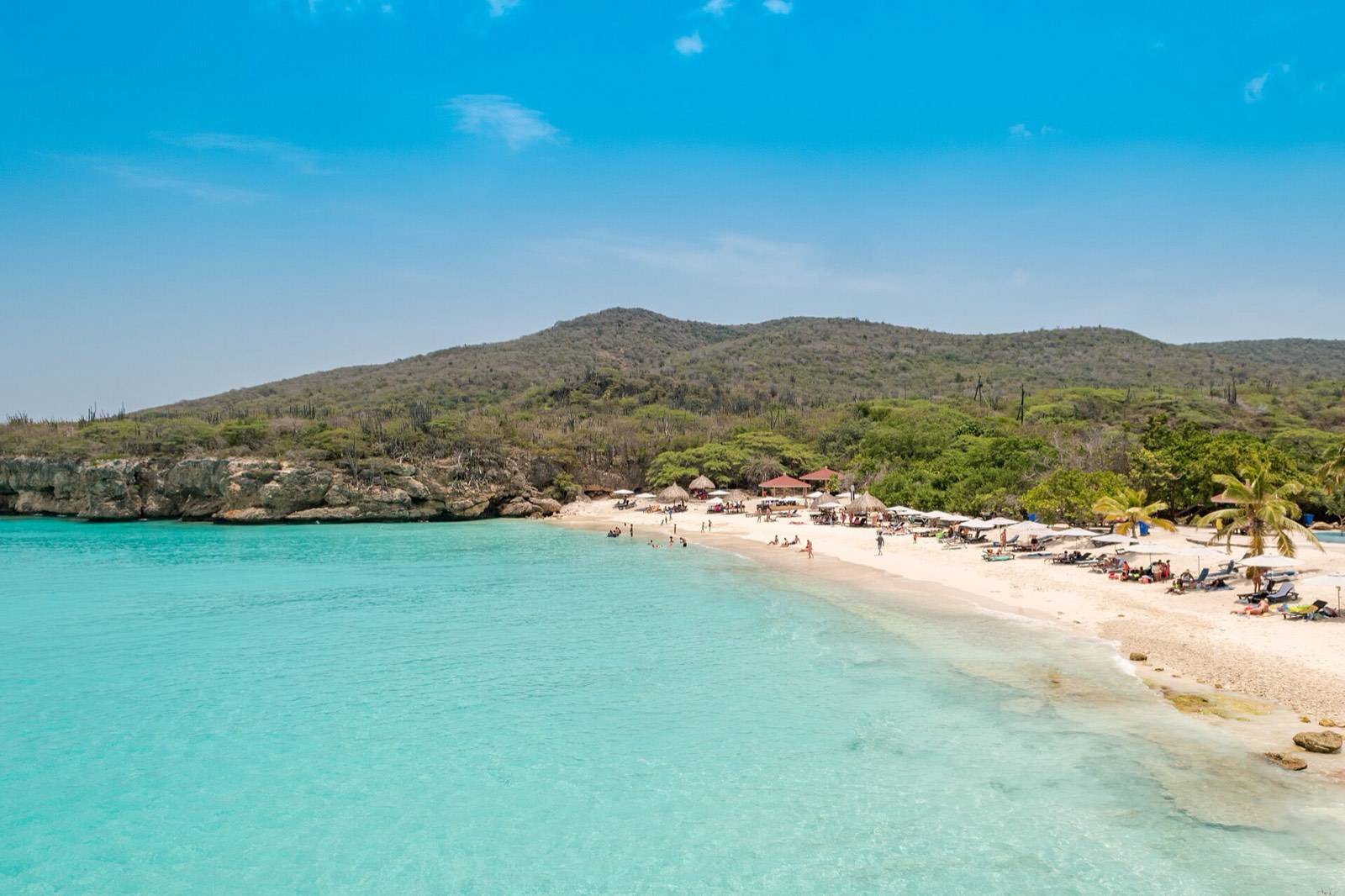
Curaçao is the island that refuses to be one thing. Willemstad's four historic quarters form a UNESCO World Heritage city, inscribed in 1997, with the floating Queen Emma Bridge of 1888 swinging between them and Papiamentu humming in the lanes; a day in Willemstad is a city experience the other two islands simply do not have. The west end answers with cliff-framed coves, Grote Knip, Cas Abao, Porto Mari, ranked in our guide to the best beaches in Curaçao. The diving and snorkeling are the region's most underrated, the food culture runs from old-market stews to a restored dinner row in Pietermaai, and the value spread is the widest of the three islands.

The honest cons: the postcard beaches require a rental car and a drive west, the sand comes in coves rather than miles, and a capital city asks for ordinary city judgment at night. Curaçao demands slightly more of its visitors than Aruba does. It also gives back more.
V.The decision table
| Dimension | Aruba | Bonaire | Curaçao |
|---|---|---|---|
| Beaches | Long, soft resort strips; the best easy sand | Coral rubble shore; Klein Bonaire sandbar excepted | Dozens of cliff-framed sandy coves; drive to them |
| Culture and architecture | Thin; Oranjestad is a shopping town | Modest; Kralendijk is small and quiet | UNESCO Willemstad, four quarters, living capital |
| Food scene | Broad, international, polished | Casual, dive-town friendly | Creole soul plus a real dinner row in Pietermaai |
| Nightlife | The biggest: casinos, late beach bars | The earliest nights in the Caribbean | Local and characterful: Punda Vibes, monument bars |
| Diving and snorkeling | A famous wreck snorkel; fewer shore entries | The shore-diving benchmark | Underrated and excellent; turtles, wrecks, Klein Curaçao |
| Crowds | Busiest of the three, year-round | Sparsest; divers only | Middle: lively city, quiet coves |
| Getting around | Strip walkable; car optional | Truck essential | Capital walkable; car for beach days |
| Typical cost feel | Highest | Mid, set by dive packages | Widest range; easiest value |
VI.Match the island to the traveler
The resort beach loyalist. Aruba, without hesitation. Nothing on Bonaire and nothing on Curaçao replaces the experience of walking from your morning coffee onto miles of soft sand. This is Aruba's category and the other two should not pretend otherwise.
The diver. Bonaire, and the decision should take five seconds. Curaçao makes a strong second for divers who want a city attached to their reef; Aruba should not be on the list.
The culture traveler. Curaçao, by the widest margin in this guide. One island here has a UNESCO World Heritage capital, a synagogue with sand floors in continuous use since its 1732 building, a floating bridge from 1888, and street art districts that keep repainting themselves. The other two have pleasant towns.
The foodie. Curaçao first for sense of place: old-market creole plates, pastechi counters, the Pietermaai dinner row. Aruba second for polish and breadth. Bonaire feeds you well but briefly.
The family. Aruba is the easiest; Curaçao is the most rewarding, with calm coves like Porto Mari, turtle mornings, caves, and flamingos giving every day a different shape. Bonaire fits families of snorkelers and teen divers best.
VII.Choose Aruba if, choose Bonaire if, choose Curaçao if
Choose Aruba if the beach is the vacation, ease is non-negotiable, and you want your evenings loud, late, and air-conditioned.
Choose Bonaire if the reef is the vacation, you measure trips in dives logged, and an early, quiet island sounds like luxury rather than a limitation.
Choose Curaçao if you want the most complete island of the three: UNESCO streets in the morning, a turquoise cove by noon, stewed goat at the old market for lunch, and a monument-quarter evening. If that is the trip you are picturing, our guide to where to stay in Curaçao will place you in the right neighborhood for it.
Three sisters, one sea, no wrong answers. There is only the question of what your trip is for, and by now you already know.
Questions travelers ask
Straight answers from the front desk.
What are the ABC islands?
Which ABC island is the best to visit?
Which ABC island is best for families?
Which ABC island is the cheapest?
Can you visit all three ABC islands in one trip?
Keep exploring
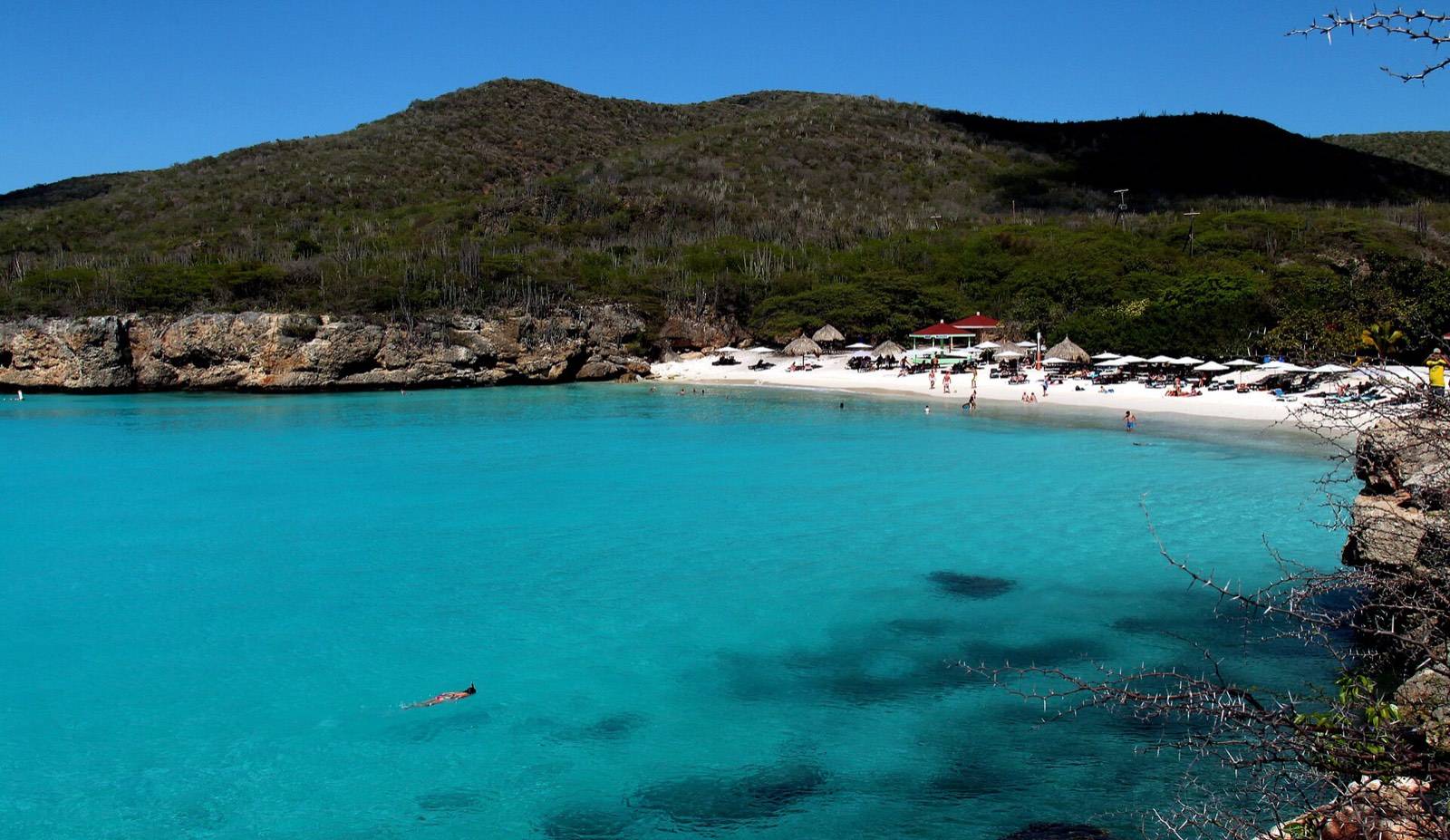
Curaçao vs Aruba: an honest comparison from people who chose one
Curaçao vs Aruba, compared honestly: beaches, culture, nightlife, costs, crowds, and weather, plus a clear…
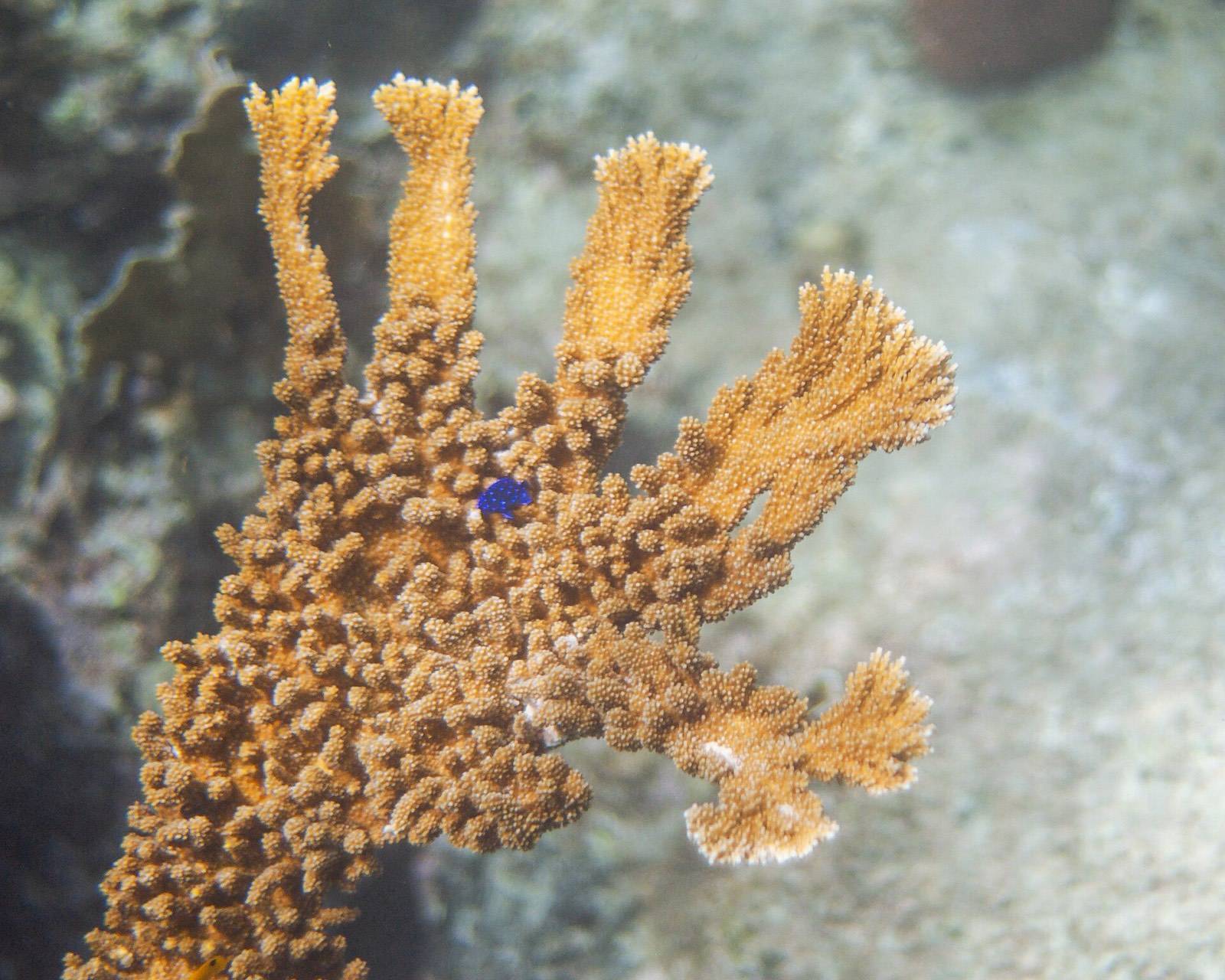
Curaçao vs Bonaire: the honest comparison for divers and everyone else
Curaçao vs Bonaire compared: shore diving, snorkeling, beaches, city life, flights, and costs. An honest…
Curaçao vs St Maarten: two very different Caribbean answers
Curaçao vs St Maarten, compared honestly: hurricane belt risk, beaches, food scenes, cruise crowds, and which…
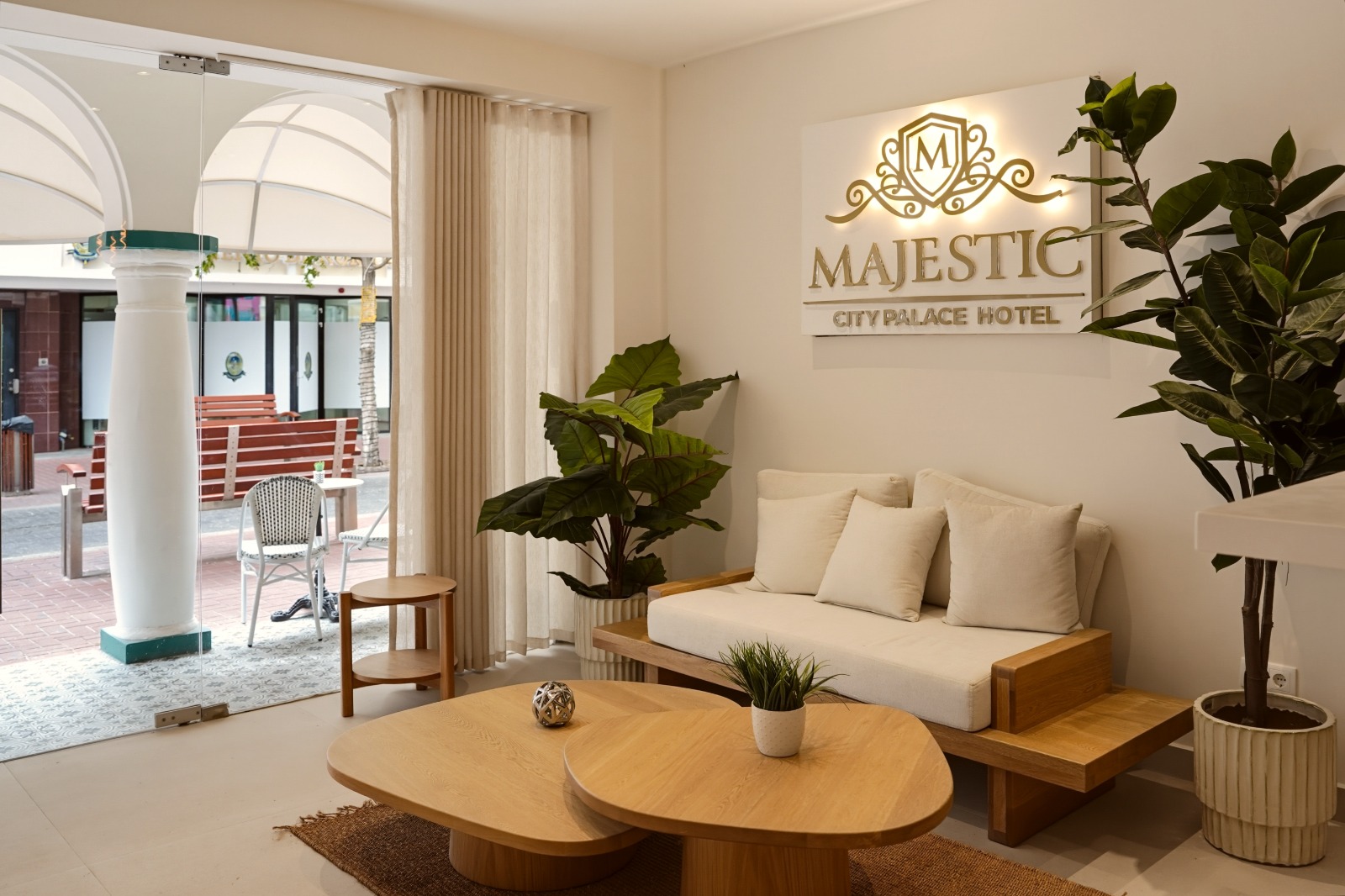
A restored 1892 monument, steps from everything in this guide.
Eighteen boutique rooms across five categories on Breedestraat, Punda. Signature balconies over the main street, and the Van Gogh café pouring espresso downstairs. Reserve your room on Airbnb in a few taps.